Thursday, 28 June 2012
Closed and Open Chain Exercises as a Prelude to Knee and Hip surgery
Closed chain exercises are physical exercises performed where the hand (for arm movement) or foot (for leg movement) is fixed in space and cannot move. The extremity remains in constant contact with a stationary surface, usually the ground or the base of a fixed object.
The opposite of closed chain exercises are open chain exercises. Closed chain exercises are considered safer and more “functional” compared to open chain exercises. Nevertheless, the two families of exercises can co-exist in enabling rehabilitation and strengthening objectives.
Closed chain exercises are often compound movements, that generally incur compressive forces, while open-chain exercises are often isolation movements that promote more shearing forces.
Closed chain exercises involve more than one muscle group and joint simultaneously rather than concentrating solely on one, as many open chain exercises do (single-joint movements), lending the former to more utilitarian and athletic activities.
Open Chain Exercises allow the hand or foot freedom to move (like a chest press). These types of movements tend to isolate a single muscle group and a single joint. For example, the one joint involved during a leg extension is the knee and the muscle group it isolates is the quadriceps. Open chain exercises can be done with or without added weight, but when weight is added, it’s usually placed at the distal (far away) portion of the limb (like the ankle). Examples of open chain exercises include chest presses, biceps curls, leg curls, and leg extensions (with or without added weight).
In Closed Chain Exercises the movements of hands or feet are in a constant, fixed position (usually on the ground) during the exercise (such as pushups). Closed chain exercises work multiple joints and multiple muscle groups at once. For example, a squat involves the knee, hip and ankle joints, and multiple muscles groups (quads, hamstrings, hip flexors, calves and glutes). Closed chain exercises can be done with body weight alone or with added weight. When external weight is added, it is usually rested across the back of the shoulders or the front of the chest, which is considered much safer than the “distal” placement of weight during open chain exercises. Examples of closed chain exercises include pushups, pull-ups, squats, and lunges, all of which can be done with or without added weight.
These exercises are useful for several purposes and can either strengthen knee and hip muscles prior to replacement and may even be able to prevent the surgery completely.
When exercising the various muscles it would be very helpful to use the most effective physical therapy products available. Specifically the TUTOR system of products (HANDTUTOR, ARMTUTOR, LEGTUTOR and 3DTUTOR) have been designed to strengthen and revitalize limb muscles that may have been compromised over time by arthritis, Parkinson’s disease, CP, MS, brain or spinal cord injuries, tendon transfers, complex regional pain syndrome and others.
The TUTOR system consist of ergonomic wearable devices together with powerful dedication rehabilitation software. The system is indicated for patients in rehabiliation centers, private clinics and the home and can be supported by telerehabilitation.
The TUTORs consists of motivating and challenging games that allow the patient to practice isolated and/or interjoint coordination exercises. Controlled exercise practice will help to prevent the devlopment of compensatory movement patterns. The dedicated software allows the therapist to fully customize the exercises to the patient’s movement ability.
The TUTOR system is fully certified by the FDA and CE and is available for children as well as adults.
See WWW.MEDITOUCH.CO.IL for more information.


Wednesday, 27 June 2012
Physical Therapy for Multiple Sclerosis Patients
What role does physical therapy play in treating MS?
Physical therapy can help with
Balance problems
Coordination issues
Fatigue
Pain
Weakness
Difficulty with physically performing daily activities (such as walking or getting up from a sitting position)
Posture
The goal of physical therapy is to improve independence and quality of life by improving movement and function, and relieving pain.
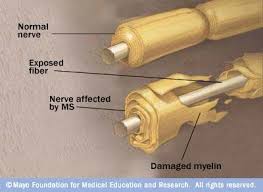
We don’t know why yet but Multiple Sclerosis (MS) damages the myelin sheath surrounding the nerve cells of the brain and spinal cord. Scarring from this damage can block or slow nerve impulses in areas of the brain (neurological damage). As a result, an MS patient may lack coordination, feel tired, have involuntary movements, resist movement (spasticity), and have pain. Symptoms such as these, which are a result of MS, are called “primary symptoms.”
Primary symptoms can reduce movement. As a result, one may feel tightness, pain and weakness, especially in the muscles and joints. These are called “secondary symptoms”.
Physical therapy cannot cure primary symptoms because, at this time, neurological damage cannot be reversed. Physical therapy can be helpful, though, by providing “compensatory” treatments. These treatments enable the patient to compensate for the changes brought about by MS. Compensatory treatments include learning new movement techniques, strategies, and equipment.
Physical therapy can be very helpful at lessening and even stopping secondary symptoms of MS. A physical therapist can teach exercises to be used to strengthen and stretch muscles. Many of these exercises can be performed at home.
A physician can refer the patient for physical therapy if the patient feels there may be benefit from it.
The number of PT appointments depends on the specific situation. The first appointment includes an evaluation and recommendations for exercises. The following appointments check your progress and build a new program. The therapist will work with the patient until a certain level of improved function is reached. At that point, a home exercise program may be developed.
When choosing the right physical therapy solution it is vital to incorporate the best physical therapy products. Such a product is the TUTOR system. Currently being used for the treatment of MS as well as CP, stroke, brain/spinal cord injury, Parkinson’s disease and other upper and lower limb surgeries the TUTORs are amongst the leading medical devices for physical therapy. The TUTORs which consist of the HANDTUTOR, ARMTUTOR, LEGTUTOR and 3DTUTOR consist of comfortable ergonomically designed gloves and braces that are connected to exclusive games that allow the patient to practice isolated and/or interjoint coordination exercises. Controlled exercises prevent the development of compensatory movement patterns. The dedicated software allows the therapist to fully customize the the exercises to the patient’s ability. In addition the therapist can objectively and quantitatively evaluate and report on the treatment progress.
The TUTOR system is available for children as well as adults and in the patient’s home through the use of telerehabilitation.
See WWW.MEDITOUCH.CO.IL for more information.
Tuesday, 26 June 2012
The Knee Ligaments and Their Rehabilitation After Injury
The anterior cruciate ligament (ACL) is one of the four major ligaments of the human knee. When it is injured the doctor or even physical therapist will design a physical rehabilitation (rehab) program that takes into consideration what the normal level of activity is usually like, the state of physical fitness, and the extent of the anterior cruciate ligament (ACL) injury itself.
Such a rehab program should include: flexibility exercises, strengthening exercises, endurance activities and coordination and agility training (for competitive athletes)., The program should function until all of the muscles in the injured leg should be as strong as in the uninjured leg before one returns to normal activities. The program usually includes treatment with a physical therapist at a therapy center, home treatment, at a gym or health club. Generally, the less one sees the therapist, the more one does on his own.
The extent of the recovery from an ACL injury depends on how severe the injury was originally, how extensive the surgery was, and how consistent one is in the follow up program. The rehab program normally lasts from 4 to 6 months. People who are more consistent with their program make a faster recovery and have fewer knee problems in the future than those who do not complete their program.
Rehabilitation is needed after most ACL injuries, regardless as to whether surgery takes place. Rehabilitation programs strengthen the knee and the muscles around it which leads to better knee stability, and may also return normal range of motion and flexibility to the knee. How well a rehab program works depends on whether one does rehab only or has surgery plus a rehab program. It is important to establish what to expect from the rehab program. This depends on age, the extent of your injury, whether other knee injuries are present, and overall health.
In rehab only, some people are able to regain enough stability in their knee to continue their normal activities and are able to avoid surgery. Other people have poor results, never regain knee stability, and either decide to have surgery or quit their activities or sports. If rehabilitation is done without surgery, there is a greater chance that the ACL may be injured a second time., Athletes who have surgery followed by complete rehab are more likely to return to competitive sports than those who only do rehab.
It is vital to have the rehabilitation program well supervised to ensure that the exercises are appropriate and the progression is appropriate. The risks of a speedy rehab program may weaken the reconstructed ligament, and starting sports training too soon. If the rehab program is not completed, there is a risk of having an unstable knee and reinjuring it in the future.
Physical rehabilitation for an ACL injury is extensive. Some people consider it like having a second job., To the extent that one participates in a rehab program, knee surgery may be avoided because strengthening the muscles in the front (quadriceps) and back of the thigh (hamstrings) will support the knee. If surgery is eventually needed though, one will be much better prepared for surgery and rehabilitation after surgery.
It is important to know that not all physical rehabilitation programs are the same. In the field of physical rehabilitation it is important to have access to the best physical therapy solutions in the sense of the most efficient tools that are available. Included in such physical therapy products is the LEGTUTOR. The LEGTUTOR consists of a safe and comfortable leg brace with position and speed sensors that precisely record three dimensional hip and knee movements. The LEGTUTOR has a range of motion limiter that limits the dynamic range of knee extension and flexion. Rehabilitation games allow the patient to exercise range of motion, speed and accuracy movement. The LEGTUTOR facilitates evaluation and treatment of the lower extremity including isolated and combined hip and knee movements.
The TUTOR system (of which the LEGTUTOR is one component, the others being the HANDTUTOR, ARMTUTOR and 3DTUTOR) is one of the most cost effective physical therapy solutions.These physical therapy products are also used for patients with Parkinson’s disease, stroke, brain or spinal cord injury and other upper and lower limb surgery rehabilitation. The TUTOR system is currently in use in leading U.S. and European hospitals and clinics. The TUTOR system is available for children as well as adults and can be used at the patient’s home through terehabilitation. The TUTORs are FDA and CE certified. See WWW.MEDITOUCH.co.il for more information.
Sunday, 24 June 2012
Diabetes Drug for Brain Injury Discovery
On June 24, 2012 it was reported that a new diabetes drug-called Exendin-4 which has been approved by the FDA significantly minimizes damage in Traumatic Brain Injury (TBI) in laboratory animals. The project was commissioned by the U.S. Air Force. The principal researchers are Prof. Chaim Pick of Tel Aviv University’s Sackler Faculty of Medicine and Dr. Niguel Greig of the U. S. National Institute of Aging.
Although the death toll in people who suffer from TBI is relatively low, it can have severe, lifelong consequences for brain function. As a result of TBI a patient can have impaired mental abilities and dramatic personality changes. This aside from the high financial cost of treatment.
Originally Exendin-4 was designed to control sugar levels in the body but it has shown to be effective in alleviating symptoms of Alzheimer’s disease and it was found that if administered shortly after the original incident it can minmize damage in TBI. Together with collaborators, Dr. Vardit Rubovitch, Lital Rachmany-Raber and Prof. Shaul Schreiber and Dr. David Tweedie of the U.S. Institute the study and results have been published in the journal Experimental Neurology.
The research has been going on for several years and consisted of the effects of injuries when hitting the windshield in a car accident as well as work for the U.S. military in relation to trauma sustained when someone is exposed to an explosion or terrorist attack. In the experiments it was shown that mice that were exposed to blasts but that received Exendin-4 had significant reduction of brain damage caused by the explosion. An improved outcome was also associated when the mice sustained TBI by blunt force if given the drug . The plan now is to find the right dosage and delivery system and to find other drugs to complement Exendin-4 to increase its efficiency.
TBI can have debilitating effects on limb movement and when that occurs the best physical therapy solutions are needed to provide exercises for the patient. The most cost effective physical therapy poducts are incorporated into the TUTOR system. The HANDTUTOR, ARMTUTOR, LEGTUTOR and 3DTUTOR are comfortable ergonomically designed gloves and braces that are placed on strategic locations of the body. They have position and speed sensors that precisely record finger and wrist movement. Rehabilitation games allow the patient to exercise range of motion, speed and accuracy of movement including opposition and pinch movement practice. The software gives the physical therapist objective and quantitative information which then allows an exclusive exercise treatment plan to be designed.
The HANDTUTOR, ARMTUTOR, LEGTUTOR and 3DTUTOR are also used by patients that have impaired limb mobility due to stroke, Parkinson’s, CP,MS, spinal cord injury and other upper and lower surgeries. Currently in use in leading U.S. and European hospitals and clinics the TUTOR system is FDA and CE certified and is available for children as well as adults. The patient is also able to use the TUTORs from home, if necessary, through the use of telerehabilitation. See WWW.MEDITOUCH.CO.IL for more information.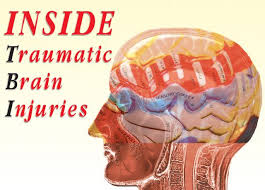
Thursday, 21 June 2012
A ”Pacemaker” for Parkinson’s Patients
In line with the international effort to combat symptoms of Parkinson’s disease, it was announced on June 20, 2012 that Professor Hagai Bergman of Jerusalem’s Hebrew University’s neurobiology department had been able to surgically implant a battery operated neurostimulator, similar to a heart pacemaker, to deliver electrical stimulation to specific parts of the brain that control movement. This tiny device blocks the abnormal nerve signals that cause the severe shaking and other symptoms that Parkinson’s patients experience. About 0.4% of the Israeli Parkinson’s population had already received the new device but there was further adjustment necessary.
For Parkinson’s patients that are not acceptable for this procedure and for those that are still waiting for the special surgery other methods are needed to counter the debilitating movements that are prevalent with this disease. When these latter patients are in need of physical therapy solutions the TUTOR system comes in handy. The TUTORs, which consist of the HANDTUTOR, ARMTUTOR, LEGTUTOR and 3DTUTOR, are comfortable ergonomic gloves and braces placed on various limbs of the body and are connected to a computer with dedicated software that allows the patient to get intensive exercises. These exercises are in the form of challenging games that allow the patient to practice isolated and/or interjoint coordination exercises. Controlled exercise practice will help to prevent the development of compensatory movement patterns. The dedicated software allows the therapist to fully customize the exercises to the patient’s movement ability. In addition the the therapist can objectively and quantitatively evaluate and report on treatment progress. The rehabilitation system optimizes the patient’s motor, sensory and cognitive performance and allows the patient to better perform everyday functional tasks to improve their quality of life.
The TUTORs are currently used in leading U.S. and European hospitals and clinics to treat patients that have Parkinson’s disease as well as CP, MS, stroke, brain and spinal cord injury and other upper and lower limb disabilities.
The TUTORs are one of the most cost effective physical therapy tools on the market and are fully certified by the FDA and CE. They are available for adults as well as children and can be used at home via telerehabilitation. See WWW.MEDITOUCH.CO.IL for more information.
Wednesday, 20 June 2012
Rehabilitation: What Does it Actually Mean?
Rehabilitation can mean many things to many people. A building that is old and rundown needs to be rehabilitated, a criminal during his imprisonment is hopefully rehabilitated so he can return productively to society, a person accused of some scandal needs to be rehabilitated back into the good graces of the society he came from. Rehabilitation , obviously, also means physical rehabilitation after a severe injury or disease. In the latter situation it isn’t enough for the patient to be hospitalized for a period of time and then return home. There is a very complicated process performed by very highly trained individuals that work as a team to assure that the patient is able to function as close to his normal ability as possible.
Traumatic spinal cord injury (SCI) is perhaps one of the most devastating orthopedic injuries and the primary goals of rehabilitation are: a) prevention of secondary complications, b)maximization of physical functioning, and c)reintegration into the community.
SCI rehabilitation is most effective with a multidisciplinary, team-based approach, as follows:
Physical therapists typically focus on lower extremity function and with mobility functions.
Occupational therapists are involved with upper extremity dysfunction and difficulties in activities of daily living
Rehabilitation nurses are concerned with issues of bowel and bladder dysfunction and managing pressure ulcers
Psychologists deal with emotional and behavioral concerns of the injured patient and with any potential cognitive dysfunction
Speech-language pathologists focus on issues of communication and swallowing
Case managers and social workers are the primary coordinators between the rehabilitation team, the patient and family, and the financial source.
A physiatrist manages the whole team. He is a physician who specializes in physical medicine and rehabilitation. While each team member has primary responsibilities, any other member of the team can contribute to the resolution of any problem.
When it comes to choosing the most appropriate physical therapy tools the team would hopefully consider the most cost effective and efficient devices on the market. Such a tool would be the TUTOR system. The HANDTUTOR, ARMTUTOR, LEGTUTOR and 3DTUTOR are used extensively in Spinal Cord Injury rehabilitation.
The TUTOR system consists of ergonomic wearable devices together with powerful dedicated rehabilitation software. The system is indicated for patients in rehabilitation centers, private clinics and the home where it can be supported by telerehabilitation. It is designed for those who have head, trunk, upper and lower extremity movement dysfunction.
The system consists of motivating and challenging games that allow the patient to practice isolated and/or interjoint coordination exercises. Controlled exercise practice helps to prevent the development of compensatory movement patterns. The dedicated software allows the therapist to fully customize the exercises to the patient’s movement ability. In addition the therapist can objectively and quantitatively evaluate and report on the treatment progress. The rehabilitation system optimizes the patient’s motor, sensory and cognitive performance and allows the patient to better perform everyday functional tasks to improve their quality of life. The TUTOR system is FDA and CE certified and can be adapted to children as well as adults. See WWW.MEDITOUCH.CO.IL for more information.
Tuesday, 19 June 2012
The Effects of Traumatic Brain Injury on Fatigue and Sleepiness
Simon Beaulieu-Bonneau and Charles M. Morin of the École de psychologie, Université Laval, Pavillon Félix-Antoine Savard 2325, rue des Bibliothèques, Québec, Canada conducted a study comparing individuals who suffered from a traumatic brain injury (TBI) to healthy controls (CTLs) measuring sleepiness,fatigue, and sleep and exploring the relationship between each group.
There were 22 adults with moderate to severe TBI and 22 matched healthy CTLs. They underwent one night of polysomnographic (PSG) recording of their sleep followed the next day by the Maintenance of Wakefulness Test (MWT). They also completed a 14-day sleep diary, the Epworth Sleepiness Scale (ESS), the Functional Outcomes of Sleep Questionnaire (FOSQ), and the Multidimensional Fatigue Inventory (MFI).
The results showed that there were no significant group differences on measures of subjective or objective sleepiness, both groups being quite alert. However, TBI participants reported greater consequences of sleepiness on their general productivity, spent more time in their bed at night, and napped more often and for longer periods of time during the day. Subjective fatigue was significantly higher in TBI participants on the general, physical, and mental fatigue MFI subscales. There were no between-group differences on any sleep parameters derived either from PSG or sleep diary.
The conclusions they reached were that fatigue appeared to be a more prominent symptom than sleepiness when it was assessed between 1 and 11 years after TBI. Patients that participated who suffered from TBI used compensatory strategies such as increasing time spent in bed and napping during the day in this sample.
When TBI causes immobility of a limb the appropriate physical therapy solution should be found. For example the TUTOR system of physical therapy products know as the: HANDTUTOR, ARMTUTOR, LEGTUTOR and 3DTUTOR are used extensively to accomplish the proper exercise program.
Physical rehabilitation is being done in the USA at major rehabiliaiton in-patient and out-patient clinics as well as at private physical therapy clinics. Many patients who have had a TBI or stroke, cerebral palsy or spinal cord injury can also avail themselves of the TUTOR system through the use of tele rehabilitation. These physical therapy products have been developed to allow for functional rehabilitation of the whole body including the upper and lower extremity. The system consists of ergonomic wearable devices and dedicated rehabilitation software that provides patient instructions and feedback to encourage intensive and controlled exercise practice. In this way, the TUTOR system allows for exercise of multijoints within the normal movement pattern which prevents the development of undesired and compensatory joint movement and therefore ensures better performance of functional tasks. This is important in stroke, brain, spinal cord (SCI) and Cerebral palsy rehabilitation in addition to other neurological and orthopedic injury and disease.
Additional features of the TUTOR system include quantitative evaluation and objective follow up that is important in the physiotherapists treatment of the exercises.
For additional information see WWW.MEDITOUCH.CO.IL
Subscribe to:
Posts (Atom)