Showing posts with label Armtutor handtutor. Show all posts
Showing posts with label Armtutor handtutor. Show all posts
Tuesday, 20 November 2012
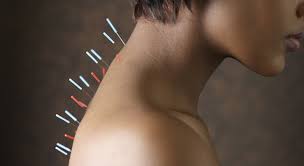
Complimentary Medicine and Physical Disabilities
A U.S. national survey researching the connection between the use of complimentary medicine and those that have a physical disability produced some interesting results.
Matthew J. Carlson, Ph.D. and Gloria Krahn of Portland State University and Oregon Health & Science University
conducted the survey, the purpose of which was to estimate the prevalence of complementary and alternative medicine (CAM) as used by the practitioner, assess the reasons for its use, and determine the symptoms for which CAM practitioners were consulted. This was conducted in a national US sample of insured adults with physical disabilities.
The methods used were data from a longitudinal survey on a national sample of some 830 adults covered by health insurance who had one of the four disabling conditions: cerebral palsy, multiple sclerosis, arthritis and spinal cord injury. Cross sectional analysis of the data produced estimates of annual prevalence and reasons and symptoms for which CAM practitioners were consulted.
The results showed that CAM practitioners were consulted by 19% of the sample, a rate similar to, or higher than the general population. The use of CAM was more prevalent among women than men (24 vs. 10%), in the Western US (30%) compared to the Midwest (20%) Northeast (14%), and South (10%). It was used by former devotees (62%) compared to non-users (8%). Spinal cord injury reported the lowest use (14%). The most common symptoms treated were pain (80%), decreased functioning (43%), and lack of energy (24%). The common reasons for using CAM practitioners included a lifestyle choice (67%) and also because they are perceived to be more effective than conventional medicine (44%).
The conclusions of the survey suggest that a significant proportion of people with physical disabilities consult CAM practitioners. Many of those who use CAM do so because it fits their lifestyle and because they perceive it to be more effective than conventional medicine for treating common symptoms including pain and decreased functioning.
Effective treatment of physical disability can also be achieved by obtaining and using the correct physical therapy product. Leading the pack is the TUTOR system. Consisting of the HANDTUTOR, ARMTUTOR, LEGTUTOR and 3DTUTOR these recent innovations have been created to treat physical limb disabilities as a result of a stroke, brain or spinal cord injury, Parkinson’s disease, MS, CP and other upper or lower limb disabilities.
The TUTOR system consists of motivating and challenging games that allow the patient to practice isolated and/or interjoint coordination exercises. The dedicated software allows the therapist to fully customize the exercises to the patient’s movement ability. Consisting of ergonomicaly designed gloves and braces the TUTORs optimize the patient’s motor, sensory and cognitive performance and allows him to better perform daily functional tasks and thereby improve his quality of life.
The TUTORs are currently in use in leading U.S. and European hospitals and clinics and are available at home through telerehabilitation. Fully certified by the FDA and CE the TUTORs can be used by adults as well as children from the age of 5 and up.
See WWW.MEDITOUCH.CO.IL for further information.


Wednesday, 24 October 2012
Stroke Victims and Physical Therapy Gloves
It was reported on Oct. 23, 2012 that a mechanical glove has been devised to aid stroke victims by a Victoria University, New Zealand student.
Abigail Arulandu has joined a field that already has physical therapy products such as the HANDTUTOR that have proven success records that achieve the same thing and have been assisting stroke patients for several years.
Since most stroke victims have clenched hands as a result of the stroke the purpose of therapy is to get them to expand and reuse the hand. Ms. Arulandu’s device has sensors that measure exerted force as does the HANDTUTOR. The information gleaned is transmitted to physical therapists for analysis. The HANDTUTOR system uses exclusively designed games such as: Snowball, Car race, Bubbles, Asteroid attack and others to challenge the patient in an enjoyable way.
These exercises bring the patient to a state where they will be able to function as before the stroke.
Arulandu is attempting to emulate known physical therapy solutions for post stroke rehabilitation such as the HANDTUTOR and should be commended for her efforts.
The HANDTUTOR is one of several similar products already on the market such as the ARMTUTOR, LEGTUTOR and 3DTUTOR that are available and currently being used in leading U.S. and European hospitals and clinics. The ARMTUTOR is the device of choice for injuries and diseases affecting arm, elbow and shoulder problems. The LEGTUTOR assists patients who have had knee or hip replacement surgery. The 3DTUTOR is a wireless motion feedback device that can be positioned on discrete joints of the head, trunk, upper or lower extremities. This allows for evaluation and treatment of the joint of choice. The 3DTUTOR can be used alone or in combination with the ARMTUTOR or LEGTUTOR to exercise additional interjoint coordination movements.
The TUTOR system has also been used to rehabilitate victims of traumatic brain or spinal cord injury, Parkinson’s, CP, MS, Brachial Plexus Injuries and more.
All of the TUTORs can be used at home through the use of telerehabilitation and are fully certified by the FDA and CE. Prototypes of new and similar products are fun to create but why duplicate what is effective already?
More information about the TUTORs is available at WWW.MEDITOUCH.CO.IL

Thursday, 11 October 2012
Innovative Treatments for Spinal Cord Injury Patients
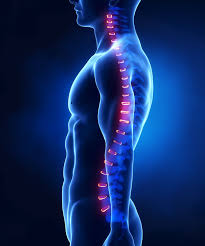
Innovative treatments are needed for individuals with spinal cord injuries (SCI) and can lead to significant functional improvements in patients as well as give them a higher quality of life according to Sue Ann Sisto, PT, MA, PhD, Professor of Physical Therapy, Research Director, Division of Rehabilitation Sciences, Director of the Rehabilitation Research and Movement Performance (RRAMP) Laboratory,Stony Brook University School of Health Technology and Management (SHTM),
Studies published in the September 2012 issue of ”Archives of Physical Medicine & Rehabilitation” show that innovative treatments for individuals with SCI can lead to several functional improvements in patients and also a higher quality of life. Dr. Sisto says the findings suggest that a shift in both protocol and policy is needed to advance and standardize rehabilitation for patients with SCI.
“These studies provide evidence from many patients that long-term rehabilitation practices such as locomotor training, exercise, and wellness activities for patients with full or partial spinal cord injuries lead to improved health and function in patients,” according to Dr. Sisto.
While most of the studies evaluate activity-based rehabilitative practices involving the assessment and the improvement of patients’ neurological or motor functioning, other studies evaluate patients’ overall health status. For example, researchers concluded ( in “Cardiovascular Status of Individuals with Incomplete Spinal Cord Injury from 7 NeuroRecovery Network Rehabilitation Centers,”) that a patient’s resting blood pressure and heart rate are affected by age, body position, and neurological level. They also found that one-fifth of patients had a quick drop in blood pressure because of a sudden position change from lying down to sitting up.
Dr. Sisto says that practices like locomotor training, which consists of activities involving step training using body support on a treadmill, and with manual assistance, are valuable and show great promise for motor improvement in chronic spinal cord injury patients. New computer and other technologies, she says, are also helping to improve physical therapy and rehabilitation practices for patients, as well as help professionals more effectively chart patient progress.
One of the innovative treatments as is recommended, is a physical therapy solution that is already in use in many leading U.S. and European rehabilitation centers and clinics. Referred to as the TUTOR system the devices are ergonomically designed gloves and braces placed on various affected limbs and then with sensors are connected to dedicated software. The software consists of specially designed games that allow the SCI patient to exercise his hand, wrist, elbow, leg, knee or any other affected limb. Also usable by patients suffering from Parkinson’s disease, MS, CP, stroke, brain injury or other upper or lower limb immobilities the HANDTUTOR, ARMTUTOR, LEGTUTOR and 3DTUTOR are physical therapy products that are monitored by therapists who then design a customized exercise program for that patient.
The TUTORs are fully certified by the FDA and CE and can be used by adults as well as children from the age of 5. Patients having logistical difficulty or a desire to conduct their rehabilitation from home can do so through telerehabilitation.
See WWW.MEDITOUCH.CO.IL for further information.
Friday, 5 October 2012
Weight Training and Exercises for Stroke Patients
Chris Kaiser, Cardiology Editor of ”MedPage Today” reports on ”Working with Weights” for stroke rehab patients. The article is
reviewed by Zalman S. Agus, MD; Professor Emeritus , Perelman School of Medicine at the University of Pennsylvania etal.
This is a preliminary study of a 6 month study program for combined aerobic and resistance training which resulted in improvements in cognitive function for post stroke patients.
The idea was to incorporate resistance training — often overlooked in stroke rehab — that may help improve cognitive skills in stroke survivors.
In addition to that aerobic exercise also contributed to improvements in cognition at 6 months, according to Susan Marzolini, BPHE, MSc, of the Toronto Rehabilitation Institute, and her colleagues.
Resistance training is not usually a standard component of stroke rehab, according to Marzolini. She stated that “To measure the muscle mass, we used dual-energy x-ray absorptiometry, which is a very precise method. We found that the greater the improvement in muscle mass, the greater the improvement in cognition.”
The muscles that were affected most by stroke in this study were those for walking — especially, the hip flexors, which raise the knees up, and the pretibial muscles, which lift the toes up.
Many rehab centers have stroke patients only moving their legs, but under the revised program weights are added. The intensity of the amount of weight is the key to their improvement,” according to Marzolini.
Marzolini determines the heaviest weight a patient can lift, divides that by half, and then proceeds with 10 repetitions. The reps are then increased gradually. When the patient shows he is ready for more weight, he drops back down to 10 reps. In addition patients also use resistance bands in order to strengthen weak muscles.
Resistance training has also added an overall 30% improvement in bilateral strength.
Marzolini and her colleagues found an association between positive changes in concentration and attention and aerobic exercise, as it was measured by maximal oxygen consumption. This was independent of time from stroke, sex and change in fat mass and depression score .
Forty one patients were studied who suffered a mild or moderate stroke. The mean age was 63, and 70% of the patients used some type of walking assistance. The time from stroke to the start of rehabilitation varied from several months to 5 years.
By using the Montreal Cognitive Assessment test, the researchers found that this training program resulted in a significant overall improvement in cognition and specifically in attention and concentration at 6 months following rehabilitation.
Marzolini and her team is preparing for stage two of this research, which is a study that randomizes stroke patients to aerobic and resistance training or exclusively resistance training.
“I suspect aerobic and resistance training are working synergistically,” Marzolini said.
Marzolini feels that exercise is very important for everyone, and especially for stroke patients. Rehab programs should include both strength and aerobic training.
In line with the thinking of Marzolini when it comes to exercising limbs that have been affected by strokes the most effective physical therapy products should be used. One of the most efficient such devices currently in use in leading rehabilitation centers worldwide is the TUTOR system.
The HANDTUTOR and its sister devices (ARMTUTOR, LEGTUTOR and 3DTUTOR) has become a key system in neuromuscular rehabilitation for stroke victims as well as for those recovering from brain and spinal injuries, Parkinson’s, MS, CP and other limb movement limitations. These innovative devices implement an impairment based program with augmented motion feedback that encourages motor learning through intensive active exercises and movement practice. The TUTOR products consist of a wearable glove or braces that detect limb movement showing the patient how much active or assisted active movement they are actually doing. The rehabilitation software uses special rehabilitation games to set a new target for this movement in terms of the patient’s ability to move their limb. The devices then measure the limb movement and give feedback to the patient. In this way the TUTOR system provides exercises that are challenging and motivating and allow for repetitive and intensive exercise practice. The TUTORs are fully certified by the FDA and CE and can be used in the patient’s home through the use of telerehabilitation. See WWW.MEDITOUCH.CO.IL for more information.
Saturday, 29 September 2012
Is Telerehabilitation Effective?
To determine the usefulness of telerehabilitation David Hailey etal of the School of Information Systems and Technology, University of
Wollongong, Australia reviewed the evidence on the effectiveness of various telerehabilitation (TR) applications. The survey included reports on rehabilitation for any disability, except drug or alcohol addiction or mental health conditions. Considered were all kinds of telecommunications technology for TR. Both study performance and study design were considered . The results were judged on whether each TR application had been successful, whether the results were clinically significant, and whether it was necessary to gather further data to establish whether the application was suitable for routine use. There were 61 scientifically credible studies that reported patient outcomes. Administrative changes were identified through computerized literature searches on 5 databases. Twelve clinical categories were included in the studies. The ones dealing with neurological or cardiac rehabilitation were in the majority. Thirty-one of the studies (51%) were of good or high quality. The study results showed that 71% of the TR applications were successful, 18% were unsuccessful and 11% were unclear as to their status. The outcomes for 51% of the applications seemed to be clinically significant. The poorer-quality studies tended to have outcomes that were worse than those from high- or good-quality studies. The surveyors judged that further study was required for 62% of the TR applications and preferable for 23%. Their conclusion was that TR shows promise in many fields, but evidence of benefit and impact on routine rehabilitation programs is still somewhat limited. There is still a need for more detailed, better-quality studies and for studies on the use of TR in general routine care.
One of the areas of success in telerehabilitation is in the use of the TUTOR system. The HANDTUTOR, ARMTUTOR, LEGTUTOR and 3DTUTOR are designed to give intensive rehabilitation exercises to those that have had a spinal cord/brain injury, stroke, Parkinson’s disease, MS, CP, Radial and Ulnar nerve injuries as well as other upper and lower limb surgeries or injuries. The TUTOR system uses sophisticated software that provides a customized exercise program for the individual patient. Many times the patient lives too far from a rehabilitation clinic or has improved to the point where he no longer needs to be seen in a regular clinic. In those cases the TUTORs have an excellent rehabilitation system in place for the therapist to instruct the patient remotely.
Currently in use in leading U.S. and European hospitals the TUTORs are fully certified by the FDA and CE.
See WWW.MEDITOUCH.CO.IL for further information.

Wednesday, 5 September 2012
Physical Rehabilitation Through Sports Activities
A division of the U.S. Olympic Committee, the U.S. Paralympics, was formed to become a world leader in the Paralympic sports movement and to promote excellence in those people with physical disabilities. Formed in 2001, U.S. Paralympics has been helping Americans achieve their dreams. U.S. Paralympics is making a difference in the lives of thousands of people with physical and visual disabilities daily through education, sports programs and connections with community organizations, government agencies and medical facilities.
There are an estimated 21 million Americans with a physical disability. In recent years, thousands of military personnel have sustained serious injuries during their tour of active duty. Research has shown that daily physical activity improves not only the individual’s self-esteem and peer relationships, it also results in a higher quality of life, increased achievement and better overall health. However most individuals with physical disabilities do not have the opportunity to participate in regular sports activity., That’s why U.S. Paralympics is working hard to make this an important national issue.
There are 3 ways in which U.S. Paralympics operates programs. 1) Community Programs. U.S. Paralympics manages many outreach initiatives, that connect with individuals who have physical disabilities directly and supporting Paralympic organizations with program development. A key goal of the U.S. Olympic Committee is to increase the availability of Paralympic sport programming across the country. By partnering with existing organizations, as well as the development of new programs, the U.S. Olympic Committee’s Paralympic Division is targeting 250 Paralympic Sport Clubs in American cities by this year of 2012. USOC Paralympic Military Program. 2) The Paralympic movement was founded through a rehabilitation program developed for World War II veterans that were wounded. In addition, the Paralympic Military Program provides rehabilitation support and mentoring to American veterans who sustained physical injuries. Veterans are introduced to Paralympic opportunities and sport techniques through various clinics and camps. They are also connected with ongoing Paralympic sports programs in their hometowns. The program is not just about sports; it is also about attitude, comaraderie and promoting healthy, active lifestyles. 3) Elite Athlete & Team Support. U.S. Paralympics has been a leader in the preparation and selection of national Paralympic teams for 24 different sports. The athletes represent the U.S. in the Paralympic Games and other international competitions.
Another impressive organization that combines the disabled with sport is Israel’s TIKVOT. Tikvot is a non profit volunteer based organization which rehabilitates Israel’s victims of terror through sport. Tikvot means “Hopes” in Hebrew and it has been proven that sport, Tikvot’s tool, provides these heroes with Hope, giving them the power to restore self confidence and dignity. Tikvot operates in tandem with the world’s top specialist organizations with specific expertise in the design of unique sports rehabilitation programs suited expressly to each disability. TIKVOT – brings along the guidance, support and funding for these projects, beginning with the onset of injury and the subsequent period of hospitalization to ultimate rehabilitation on the sports field.
When rehabilitation is required for sports or disease related injuries the affected patient should have access to the best physical therapy products available. Such devices can be found in the TUTOR system. Consisting of the HANDTUTOR, ARMTUTOR, LEGTUTOR and 3DTUTOR, The TUTORs have become a key system in neuromuscular rehabilitation for stroke victims and those recovering from sports injuries, brain and spinal injuries, Parkinson’s, MS, CP and other limb movement limitations. The TUTOR products implement an impairment based program with augmented motion feedback that encourages motor learning through intensive active exercises and movement practice. They consist of ergonomically designed wearable glove and braces that detect limb movement showing the patient how much active or assisted active movement they are actually doing. The rehabilitation software uses specially designed games to set a new target for this movement in terms of the patient’s ability to move their affected limb. The devices then measure the limb movement and give feedback on the success of the patient in trying to gain this new movement objective. In this way the patient understands which effort is more successful in allowing them to move their affected limb again. The TUTOR system provides exercises that are challenging and motivating and allow for repetitive and intensive exercise practice. The TUTORs are now part of the rehabilitation program of leading U.S. German, Italian, French, UK and other foreign hospitals. They are available for children from the age of 5 and at home throughthe use of telerehabilitation. See WWW.MEDITOUCH.CO.IL for more information.

Monday, 3 September 2012
Exercising for the Heart
Cardiovascular disease around the world is one of great concerns to patients and health providers alike. Cardiac rehabilitation aims to return patients with heart disease to health by exercise-only based rehabilitation or comprehensive cardiac rehabilitation.
The Objective of a study on the subject was to determine the effectiveness of exercise-only or exercise as part of a comprehensive cardiac rehabilitation programme on the mortality, morbidity, modifiable cardiac risk factors and health-related quality of life (HRQoL) of patients with coronary heart disease.
Electronic databases were searched for randomized trials, using standardised trial filters, for a period of about 10 years.
The subject of the trial were men and women of all ages, whether in hospital or in community settings, who had coronary artery bypass graft, myocardial infarction, or percutaneous coronary angioplasty, or who had angina pectoris or coronary artery disease.
The studies were selected independently by two reviewers, and data was collected independently. 8440 patient results were analyzed.
The results showed that exercise-based cardiac rehabilitation is effective in reducing cardiac deaths. It is not clear from this review whether exercise-only or a comprehensive cardiac rehabilitation intervention is more beneficial. More research will have to be done to determine that.The population studied in this review was still predominantly low risk, male and middle aged. Identification of the ethnic origin of the participants was seldom reported. (It is possible that patients who would have benefited most from the intervention were not included in the trials on the grounds of age, sex or co-morbidity).
In plain lamguage it was found that regular exercise or, alternatively, exercise with education and psychological support can lower the likelihood of dying from heart disease.
Coronary heart disease (CHD) is one of the most common forms of heart disease. The heart is affected by restricting or blocking the flow of blood around it. This in turn can lead to a feeling of tightness in the chest (angina) or a heart attack. Cardiac rehabilitation tries to restore people with CHD to health through regular exercise or a combination of exercise together with education and psychological support. The findings of this review show that either form of cardiac rehabilitation can reduce the likelihood of death from heart disease.
One of the current tested methods of exercise is the TUTOR system. The HANDTUTOR, ARMTUTOR, LEGTUTOR and 3DTUTOR have been devised to offer the patient intensive exercises for a variety of ailments. The TUTOR physical therapy products are ergonomically designed gloves and braces that include sensors connected to exclusive, motivating and challenging games. This allows the patient to practice isolated and/or interjoint coordination exercises. The physical therapist then records and evaluates these movements and designs an exclusive exercise program for the patient. The TUTORs are currently in use in leading U.S. and European rehabilitation hospitals and clinics and are also available for home use through telerehabilitation. The TUTORs are usable by adults and children and are fully certified by the FDA and CE. See WWW.MEDITOUCH.CO.IL for further information.

Tuesday, 28 August 2012
Should a Patient Undergo Rehabilitation After Stroke?
Henrik S. Jørgensen, MD etal of the Department of Radiology, Bispebjerg Hospital, Copenhagen, Denmark cocnducted a study to determine the value of post stroke rehabilitation.
The objective of the study was to evaluate the outcome of stroke divided according to both the severity of the initial stroke and the initial level of disability.
The study took place in a stroke unit of a hospital in Denmark that receives all acute stroke patients admitted from a large catchment area of approximately 240,000 inhabitants within the City of Copenhagen. Under normal circumstances acute treatment as well as rehabilitation is cared for within the stroke unit regardless of age, severity of the stroke and premorbid condition. In this study 1197 patients with acute stroke were used.
The Main Outcome Measures were: Primary outcome was measured as death, discharge to a nursing home, or to the patient’s own home. Secondary outcome was measured as the patient having neurological deficits and/or functional disabilities after rehabilitation was completed and then again 6 months after the stroke occurred. The indices used were the Scandinavian Neurological Stroke Scale and Barthel . The results were as follows: Stroke was initially very severe in 19% of the patients, severe in 14%, moderate in 26%, and mild in 41% of the patients. Two hundred and fifty or 21% of the patients died during their hospital stay, 177 or 15% were discharged to a nursing home, and 770 or 64% of the patients were discharged to their home. After rehabilitation was completed 11% of the survivors still had severe or very severe neurological deficits, 11% had moderate deficits, and 78% had no or only mild deficits; 20% were severely or very severely disabled, 8% were moderately disabled, 26% were mildly disabled, and 46% had no disability in normal daily activities. The conclusions reached were that there is a great need for stroke rehabilitation in the community and the amount of postrehabilitation disability in stroke survivors cannot be exaggerated. Results, though, should not be used as a guideline for selecting patients for rehabilitation in the acute phase as even the most severe cases experience meaningful improvement during rehabilitation.
The question then becomes what is the most effective physical therapy solution that can speed recovery of the affected stroke victim’s limbs. Other than robotic machines which are large and therefore usable only in rehabilitation facilities and hospitals or are cost prohibitive the physical therapy profession has come to know of the effectiveness of the TUTOR system. Consisting of the HANDTUTOR, ARMTUTOR, LEGTUTOR and 3DTUTOR these recently created products are in the forefront of stroke rehabilitation.
These innovative devices implement an impairment based program with augmented motion feedback that encourages motor learning through intensive active exercises and movement practice. The HANDTUTOR, ARMTUTOR, LEGTUTOR and 3DTUTOR consist of wearable glove and braces that detect limb movement showing the patient how much active or assisted active movement they are actually doing. The rehabilitation software uses special rehabilitation games to set a new target for this movement in terms of the patient’s ability to move his limb. The devices then measure the limb movement and give him feedback on his success. In this way the Tutor system provides exercises that are challenging and motivating and allow for repetitive and intensive exercise practice. The TUTOR system is now part of the rehabilitation program of leading U.S. German, Italian, French, UK and other foreign hospitals and can be used at home through telerehabilitation. The TUTORs are fully certified by the FDA and CE. See WWW.MEDITOUCH.CO.IL for more information.

Sunday, 26 August 2012
aintaining Strength for Parkinson’s Patients
In an article published in the British Medical Journal, August 23,2012 C.L. Tomlinson et al state that Physiotherapy has only short term benefits in Parkinson’s disease. He further states that there is a wide range of physiotherapy techniques currently in use to treat Parkinson’s disease and that there is little difference in treatment effects. He suggests that there be large, well designed, randomised controlled trials including improved methodology and reporting that are needed to assess the efficacy and cost effectiveness of physiotherapy for the treatment of Parkinson’s disease in the longer term.
The methods used to come to this conclusion were:
A systematic review and analysis of randomised controlled trials.
Literature databases, trial registries, books, and conference proceedings, journals, and reference lists, searched up to January 31, 2012.
Randomised controlled trials that compared physiotherapy with no intervention at all in patients with Parkinson’s disease were used.
Two authors independently collected data from each trial.
Tests for heterogeneity were used.
Outcome measures were gait, falls, functional mobility and balance, clinician rated disability measures, patient rated quality of life, adverse events, compliance, and impairment and economic analysis outcomes.
The results were:
that indirect comparisons of the different physiotherapy interventions found no evidence that the treatment effect was diferent across the interventions for any outcomes assessed, apart from motor subscores on the unified Parkinson’s disease rating scale (in which one trial was found to be the cause of the heterogeneity).
Apparently C.L. Tomlinson isn’t aware of the TUTOR system. These physical therapy products, although not a cure for Parkinson’s, have shown that they can maintain the strength of the patient thereby giving him a longer period of mobility.
The HANDTUTOR, ARMTUTOR, LEGTUTOR and 3DTUTOR have become a key system in neuromuscular rehabilitation for stroke victims and those recovering from brain and spinal injuries, Parkinson’s, MS, CP and other limb movement limitations. These innovative devices implement an impairment based program with augmented motion feedback that encourages motor learning through intensive active exercises and movement practice. The HANDTUTOR, ARMTUTOR, LEGTUTOR, 3DTUTOR consist of wearable gloves and braces that detect limb movement showing the patient how much active or assisted active movement they are actually doing. The rehabilitation software uses special rehabilitation games to set a new target for this movement in terms of the patient’s ability to move their limb. The devices then measure the limb movement and give feedback on the success of the patient in trying to gain this new movement objective. In this way the TUTOR system provides exercises that are challenging and motivating and allow for repetitive and intensive exercise practice. The TUTOR system physical therapy solution is now part of the rehabilitation program of leading U.S. German, Italian, French, UK and other foreign hospitals. As one of the most cost effective PT products on the market the TUTORs can also be used in the patient’s home throughtelerehabilitation. See www.MEDITOUCH.CO.IL for more information.

Tuesday, 14 August 2012
Concerns of the American Academy of Physical Medicine and Rehabilitation (AAPM&R) Vis A Vis ”Obamacare”
In 1998, a presidential commission on Consumer Protection issued a report where it defined, in its view, the purpose of a health care system. The report
stated:
“The purpose of the health care system must be to continuously reduce the impact
and burden of illness, injury, and disability, and to improve the health and
functioning of the people of the United States.”
People that have disabilities and chronic conditions depend on habilitative services
and devices. This is equivalent to the provision of antibiotics to a person who has an infection—both are
essential to medical intervention. Therefore, rehabilitative and habilitative services and devices are a
vital component of health care, especially for persons that have disabilities and chronic conditions.
These services and devices
• Speed recovery and allow discharge to one’s home sooner rather than later and
provide a higher level of function post injury or illness;
• Improve long-term health status and improve the likelihood of living independently;
• Reduce the likelihood of relapse or returning to the hospital;
• Slow or completely stop the progression of primary and secondary disabilities as they maintain functioning
and prevent further deterioration;
and
• Facilitate a return to work under appropriate circumstances.
For example, rehabilitative services and devices:
• Enable persons with spinal cord injuries to recover and regain functions through intensive
rehabilitation services ;
• Enable people who were born with congenital conditions or developmental disabilities to learn
skills and the ability to function through various therapies and assistive devices;
• Enable people with traumatic brain or spine injury to improve cognition and functioning by using
appropriate therapies and assistive devices.
It is evident from literature and personal evidence that when people withdisabilities and chronic conditions have access to treatments, including rehabilitative and habilitative
services and devices, their healthand quality of life are substantially improved. Both patients and insurers, as well the taxpayer,save many dollars of future health care costs.
The Brain Injury Association of America claims that the results of inadequate rehabilitative and habilitative services and devices for individuals with disabilities and chronic conditions to society are well known. It can result in elevated levels of medical complications, permanent disability, job loss, family dysfunction, homelessness, medical indigence, suicide and even involvement with the criminal justice system.
Inadequate treatment can also lead to lost productivity and greater utilization of public income programs and plans (such as SSI and SSDI, Medicare and Medicaid) and long-term care.
Health benefits should enable individuals to be functional, healthy and live as independently as possible. Rehabilitation services and devices should lessen the deterioration of a person’s financial status.
The AAPM&R organization is concerned that the new medical care act (Obamacare) will provide for all of the above services. One of the most efficient and cost effective recently developed physical therapy products is the TUTOR system. This is a system that will reduce the impact and burden of illness and disability. It has all the qualities of a rehabilitation program that is needed to assist patients in regaining their mobility after a stroke, brain or spinal cord injury, MS, CP, Parkinson’s disease and other upper or lower limb disabilities. The TUTOR system consists of motivating and challenging games that allow the patient to practice isolated and/or interjoint coordination exercises. Controlled exercise practice will help to prevent the development of compensatory movement patterns. The physical therapist objectively and quantitatively evaluates the treatment progress and designs a cuistomized program for the patient.
Fully certified by the FDA and CE the TUTORs (HANDTUTOR, ARMTUTOR, LEGTUTOR and 3 DTUTOR) are available for use by children as well as adults and at the patient’s home through telerehabilitation. See WWW.MEDITOUCH.CO.IL for more information.

Sunday, 12 August 2012
New Stroke Rehabilitation Device May Join Others Already In Use
Victoria University, New Zealand, masters student in engineering, Abigail Rajendran, 23, designed a stroke rehabilitation device and is working to market it. Rajendran believes that stroke patients will be able to rehabilitate themselves from home with the new device.
With the device strapped on to a patient’s hand the goal is to exercise it in an opening and closing motion. A connected computer game activates at the same time and keeps both sides of the brain working.
Once the patient regains the strength and can do the motion himself, he can increase the resistance with a special liquid contained in the device.
Rajendran says that until now, stroke patients had to rely on expensive and large rehabilitation equipment only found in hospitals. However this device could be used regularly at home.
Funding for a prototype has been provided by the Science and Innovation Ministry.
Few, if any, home rehabilitation instruments are available for people recovering from strokes and new technology has to be made available according to Chief executive Sunil Vather.
Apparently New Zealand stroke patients get only a few hours of therapy if they’re lucky and this device may afford them many more hours.
Miss Rajendran will present her idea in Singapore later this month, and in Brisbane in October. The device may be ready for use in about a year.
Apparently unknown to Miss Rajendran and her associates such physical therapy solutions already exist and are being used successfully in many leading U.S. and European and other hospitals and clinics. The physical therapy products known as the HANDTUTOR, ARMTUTOR, LEGTUTOR and 3DTUTOR have been devised to allow intensive exercises to stroke victims as well as those afflicted with disabling Parkinson’s, MS, CP, brain/spinal cord injuries and other upper and lower limb paresis.
The TUTORs are comfortable ergonomically designed gloves and braces that are attached to the affected areas of the body and then connected to a computer that has dedicated software in the form of games. These games are played with the active initiation of the patient himself and the results are recorded and evaluated by physical therapists who then design a specific exercise program for that patient.
Since many patients have improved to the point where they no longer need hospitalization they and others who live too far from a rehabilitation clinic can avail themselves of the TUTORs at home through the use of telerehabilitation. In addition the TUTOR system is one of the most cost effective physical therapy products on the market today and they are small in relation to hospital based large equipment.
The TUTORs are fully certified by the FDA and CE. See WWW.MEDITOUCH.CO.IL for more information.

Monday, 2 July 2012
Bi Lateral Stroke Rehabilitation
Even though strokes typically affect only one side of the body, rehabilitation appears to work best when both sides of the body are engaged in it. A study done by Ken Takitama of the University of Tokyo and Masato Okada of the RIKEN Brain Science Institute in Wako, Japan, and published on June 27, 2012, found that the two-sided approach was especially important in getting functioning back in a weakened arm and hand. Recovery of movement in the upper limb usually takes longer than that of the leg and foot.
The researchers wrote that their study suggests that “bimanual movement facilitates the reorganization of a damaged motor cortex because this movement induces rotations in the preferred directions (PDs) of motor cortex neurons . . . Although previous computational studies investigated the unimanual movements of stroke patients, individuals often move their arms bimanually. Bimanual movement is effective for the recovery of partially paralyzed arm movement . . . Rotations of the encoding PDs facilitate cortical reorganization.”
It is also important to note that several other studies have shown that, as with any motor skill, practice makes perfect when it comes to stroke rehabilitation. Patients that are more serious with repeating therapeutic movements tend to recover faster than those who are more lax in their exercising.
Taking advantage of the most efficient physical therapy solutions is vital to progress for unilateral or bilateral stroke rehabilitation. The HANDTUTOR, ARMTUTOR for upper limb and the LEGTUTOR for lower limb paresis are physical therapy products that can speed up the rejuvenation of disabled limbs due to stroke.
The TUTORs consist of motivating and challenging games that allow the patient to practice isolated and/or interjoint coordination exercises. Controlled exercise practice will help to prevent the development of compensatory movement patterns. The dedicated software allows the therapist to fuly customize the exercises to the patient’s movement ability. In addition the therapist can objectively and quantitavely evaluate and report on the treatment progress.The rehabilitation system optimizes the patient’s motor, sensory and cognitive performance and allows the patient to better perform everyday functional tasks to improve their quality of life.
Currently in use in leading U.S. and European hospitals and clinics the very cost effective TUTORs are available for adults as well as children and are fully certified by the FDA and CE. They can be used in the patient’s home via telerehabilitation. See WWW.MEDITOUCH.CO.IL for more information.
Subscribe to:
Posts (Atom)