Showing posts with label physical therapy products. Show all posts
Showing posts with label physical therapy products. Show all posts
Tuesday, 20 November 2012
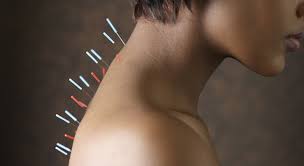
Complimentary Medicine and Physical Disabilities
A U.S. national survey researching the connection between the use of complimentary medicine and those that have a physical disability produced some interesting results.
Matthew J. Carlson, Ph.D. and Gloria Krahn of Portland State University and Oregon Health & Science University
conducted the survey, the purpose of which was to estimate the prevalence of complementary and alternative medicine (CAM) as used by the practitioner, assess the reasons for its use, and determine the symptoms for which CAM practitioners were consulted. This was conducted in a national US sample of insured adults with physical disabilities.
The methods used were data from a longitudinal survey on a national sample of some 830 adults covered by health insurance who had one of the four disabling conditions: cerebral palsy, multiple sclerosis, arthritis and spinal cord injury. Cross sectional analysis of the data produced estimates of annual prevalence and reasons and symptoms for which CAM practitioners were consulted.
The results showed that CAM practitioners were consulted by 19% of the sample, a rate similar to, or higher than the general population. The use of CAM was more prevalent among women than men (24 vs. 10%), in the Western US (30%) compared to the Midwest (20%) Northeast (14%), and South (10%). It was used by former devotees (62%) compared to non-users (8%). Spinal cord injury reported the lowest use (14%). The most common symptoms treated were pain (80%), decreased functioning (43%), and lack of energy (24%). The common reasons for using CAM practitioners included a lifestyle choice (67%) and also because they are perceived to be more effective than conventional medicine (44%).
The conclusions of the survey suggest that a significant proportion of people with physical disabilities consult CAM practitioners. Many of those who use CAM do so because it fits their lifestyle and because they perceive it to be more effective than conventional medicine for treating common symptoms including pain and decreased functioning.
Effective treatment of physical disability can also be achieved by obtaining and using the correct physical therapy product. Leading the pack is the TUTOR system. Consisting of the HANDTUTOR, ARMTUTOR, LEGTUTOR and 3DTUTOR these recent innovations have been created to treat physical limb disabilities as a result of a stroke, brain or spinal cord injury, Parkinson’s disease, MS, CP and other upper or lower limb disabilities.
The TUTOR system consists of motivating and challenging games that allow the patient to practice isolated and/or interjoint coordination exercises. The dedicated software allows the therapist to fully customize the exercises to the patient’s movement ability. Consisting of ergonomicaly designed gloves and braces the TUTORs optimize the patient’s motor, sensory and cognitive performance and allows him to better perform daily functional tasks and thereby improve his quality of life.
The TUTORs are currently in use in leading U.S. and European hospitals and clinics and are available at home through telerehabilitation. Fully certified by the FDA and CE the TUTORs can be used by adults as well as children from the age of 5 and up.
See WWW.MEDITOUCH.CO.IL for further information.


Sunday, 28 October 2012
Ski Accident Statistics and Their Physical Therapy Treatment
Skiing is one of the world’s favorite sports and as such there are a fair amount of injuries to skiers. An analysis of injury statistics compiled over 12 seasons, encompassing 2.55 million skier-days, at a ski resort in Wyoming was used for a ski accident survey. Ticket sales per year was the method of calculating the population surveyed. 9749 skiing injuries were indexed by region and severity according to diagnosis on the initial evaluation. The rates of injury were then analyzed as a function of time.
During the 12 seasons the injury rate remained constant at 3.7 injuries per 1000 skier-days.
During the study period the rate of lower extremity to upper extremity injury decreased from 4:1 to 2:1 .
The ankle injury rate also decreased with time.
7% of all injuries were Ulnar collateral ligament sprains.
30% of all injuries were knee sprains.
Anterior cruciate ligament tears increased as a function of time and accounted for 16% of all skiing injuries during the same study period.
The most common injury was the medial collateral ligament sprain at 18% of all skiing injuries.
In addition there were also forty-seven snowboard injuries recorded.
All of the above injuries can be treated by physical therapy products known as the TUTOR system once the patient has been stabilized and is ready for rehabilitation. The TUTORs provide intensive exercise for all upper and lower limb injuries or surgeries. They are also effective for patients who have Parkinson’s disease, stroke, CP, MS, head and spinal cord injuries and other debilitating medical issues.
The TUTOR system consists of the HANDTUTOR, ARMTUTOR, LEGTUTOR and 3DTUTOR. These products include motivating and challenging games that allow the patient to practice isolated and/or interjoint coordination exercises. Controlled exercise practice will help to prevent the development of compensatory movement patterns. The dedicated software allows the therapist to fully customize the exercises to the patient’s movement ability. In addition the therapist can objectively and quantitatively evaluate and report on the treatment progress. The rehabilitation system optimizes the patient’s motor, sensory and cognitive performance and allows the patient to better perform everyday functional tasks to improve their quality of life.
The TUTOR system is fully certified by the FDA and CE and is currently in use by leading U.S. and European hospitals and clinics. The suystem is available for children from the age of 5 and up and in the home through telerehabilitation.
Thursday, 25 October 2012
Children’s Upper Limb Function and Constraint Induced Movement Therapy
Is there a connection between Constraint-Induced Movement Therapy (CIMT) and the resulting improved upper limb function for children with hemiplegic Cerebral Palsy?
A study by Sheri Montgomery, OTR/L, FAOTA University of Utah OTD dated October 2012 discusses this theory.
Children that have upper limb hemiplegia often have decreased ability to participate efficiently and effectively in tasks
and occupations that require use of both hands. This may include fastening buttons while getting dressed, climbing the monkey bars
or school activities such as opening a gym locker or completing a standardized academic assessment such as during play using a keyboard.
Amongst the traditional strategies used by OTs for the treatment of upper limb hemiplegia are: fine motor skill reinforcement,
strengthening of the affected limb, Electrical Muscular Stimulation (EMS) and Neurodevelopmental Treatment (NDT)
techniques. In addition they have also implemented constraint-induced movement therapy programs as a type
of intervention. Originally used only with adults this treatment has been used
increasingly with children since 1990. CIMT was originally used in conjunction with Botox but the research wants to determine if it can be used alone.
The question is can CIMT increase upper limb skills of children with hemiplegic CP to allow for age appropriate actions such as: self care and playing with other children?
A review of nineteen studies was made that showed that:
• Statistically and clinically significant improvement was noted in self-care and bilateral upper extremity use
after two-weeks treatment with constraint-induced movement therapy for children with hemiplegic cerebral palsy.
• The greatest improvement was when CIMT was paired with goal directed therapeutic intervention programs. Intensity of CIMT did not have any significant influence on the outcomes or improved motor skills.
Bottom line evidence suggests that constraint-induced movement therapy results in an increased use of the affected limb, especially
when matched with therapeutic interventions intended to increase strength, control and functional use. It made no difference if children
wore the restraint for 3.5 hours a day or 10 hours.
The greatest improvement in functional skills was observed when Constraint Induced Movement Therapy was paired with goal specific
interventions.
Today adult and child patients with upper limb hemiplegia can take advantage of one of the most effective physical therapy products for use in CIMT. The HANDTUTOR has been devised to provide intensive repetitive functional task exercises.
The HANDTUTOR system allows for the customization of exercise tasks to a level that allows patients with severe movement dysfunction to start intensive exercise practice with their impaired hand. The HANDTUTOR improves patient functional upper extremity movement ability in severe and moderate movement dysfunction.
The HANDTUTOR intensively trains simple movement parameters using isolated exercise practice. The tasks can be set according to the individual patient’s limits of movement ability and the difficulty of the tasks can be shaped. The feedback gives the patient information on his performance of the tasks and instructions on how to improve his movement.
The HANDTUTOR and its sisters (ARMTUTOR, LEGTUTOR, 3DTUTOR) have been used successfully for the treatment of Parkinson’s disease, CP, MS, brain and spinal cord injury, stroke and other upper and lower limb disabilities.
Fully certified by the FDA and CE the TUTOR system is available to be used at the patient’s home through the use of telerehabilitation.
See WWW.MEDITOUCH.CO.IL for further information.

Wednesday, 24 October 2012
Stroke Victims and Physical Therapy Gloves
It was reported on Oct. 23, 2012 that a mechanical glove has been devised to aid stroke victims by a Victoria University, New Zealand student.
Abigail Arulandu has joined a field that already has physical therapy products such as the HANDTUTOR that have proven success records that achieve the same thing and have been assisting stroke patients for several years.
Since most stroke victims have clenched hands as a result of the stroke the purpose of therapy is to get them to expand and reuse the hand. Ms. Arulandu’s device has sensors that measure exerted force as does the HANDTUTOR. The information gleaned is transmitted to physical therapists for analysis. The HANDTUTOR system uses exclusively designed games such as: Snowball, Car race, Bubbles, Asteroid attack and others to challenge the patient in an enjoyable way.
These exercises bring the patient to a state where they will be able to function as before the stroke.
Arulandu is attempting to emulate known physical therapy solutions for post stroke rehabilitation such as the HANDTUTOR and should be commended for her efforts.
The HANDTUTOR is one of several similar products already on the market such as the ARMTUTOR, LEGTUTOR and 3DTUTOR that are available and currently being used in leading U.S. and European hospitals and clinics. The ARMTUTOR is the device of choice for injuries and diseases affecting arm, elbow and shoulder problems. The LEGTUTOR assists patients who have had knee or hip replacement surgery. The 3DTUTOR is a wireless motion feedback device that can be positioned on discrete joints of the head, trunk, upper or lower extremities. This allows for evaluation and treatment of the joint of choice. The 3DTUTOR can be used alone or in combination with the ARMTUTOR or LEGTUTOR to exercise additional interjoint coordination movements.
The TUTOR system has also been used to rehabilitate victims of traumatic brain or spinal cord injury, Parkinson’s, CP, MS, Brachial Plexus Injuries and more.
All of the TUTORs can be used at home through the use of telerehabilitation and are fully certified by the FDA and CE. Prototypes of new and similar products are fun to create but why duplicate what is effective already?
More information about the TUTORs is available at WWW.MEDITOUCH.CO.IL

Saturday, 20 October 2012
Traumatic Brain Injury and Youth Crime
A British report just published makes some surprising and alarming claims. Apparently, 60% of young people in the British justice system custody say they have experienced a traumatic brain injury. The report cites the fact that brain injury is more prevalent in the under 25 age group.This does not mean that brain injury turns those youths into criminals.
The report, was written by Professor Huw Williams and commissioned by the Barrow Cadbury Trust for the Transition to Adulthood (T2A) Alliance. There is a prevalent belief in UK and US legislative authorities that once a person becomes 18 years of age he or she are mature individuals and therefore are responsible for their actions. This is at best unhelpful and at worst a tragedy of the criminal justice system. It can actually prolong the criminal behavior of an individual.
There is a basic misunderstanding of age boundaries. Age limits and restrictions rarely correspond to scientific evidence. A 16-year-old isn’t any more resistant to the damaging effects of smoking than a 14-year-old. As soon as someone reaches a legally determined age, they don’t automatically mature overnight. There is no internal switch that gets flipped.
”Underage pregnancy” is somewhat of an oxymoron – if a female is physiologically capable of becoming pregnant, then she is old enough to reproduce as far as nature is concerned. But society rightly recognizes that just because someone is biologically capable of doing something, they are not necessarily mentally capable of doing it without causing damage to themselves or others. Ensuring an individual is mature enough to understand and handle the consequences of potentially damaging actions is why age restrictions exist.
But this concept of “maturity” is where problems arise. The criminal justice system works under the assumption that, once an individual is 18, they are mature enough to be considered a typical adult.The argument made is that this is not the case, and that young adults should be recognized as a separate group by the criminal justice system, and their cognitive development maturity and socioeconomic factors should be considered fully when processing them, up to and including the court sentencing the individual.
Scientific evidence and a literature review by Birmingham University supports this view. Studies into post-adolescent brain development reveal that brains continue to develop well into our 20s, and these developments are concerned with more complex abilities like: executive functioning and inhibition. The latter overrule our need for immediate reward, moderate our impulsive actions and regulate our emotions. That is what the majority of people would consider signs of maturity.
There is another factor that has a serious impact on cognitive development and behavior of young adults and that is brain injury and trauma.
Head injury is very serious . A concussion is serious, even if it does not cause lasting damage. Any injury to the head that causes even a short period of unconsciousness should be taken seriously, as it could result in a long-term injury. Because of the complexity of the brain and uncertain nature of brain injury, the eventual consequences of traumatic brain injury can vary, potentially leading to disorders such as schizophrenia. Many “criminals” are imprisoned who suffer from schizophrenia. Should they be in prison or under treatment elsewhere?
In younger people brain injury is potentially more damaging, as it can potentially disrupt cognitive development. These disruptions could lead to an increased tendency for criminal behaviour.
Those without a TBI [traumatic brain injury] are more likely to grow out of an immature and antisocial behavior by the time they get to the mid-twenties but those with TBI are likely to continue to grapple with these issues throughout young adulthood and beyond.
There can be no generalization, however, that all youths who suffer from TBI will graduate into a criminal life. Most do not. But in young adults, brain injury increases the likelihood of eventual criminal behavior.
However since there is a tendency for a relationship between criminal behavior and TBI this should be considered when making decisions about sentencing and rehabilitation. Today young people aren’t screened for brain injury and thus it is rare that there would be necessary rehabilitation. As a result, the main contact that many young people with TBI have with those that provide services is via the criminal justice system, which obviously can’t deal with and treat brain trauma.
It is strongly suggested, though, somewhat impractical at this time, that young offenders should be screened for TBI and treated which would then cut the rates of a reoffense and save the taxpayer costs in the criminal justice system.
Interestingly, work is already under way on some tools for determining the mental state and maturity of the offenders, such as targeted questionnaires. But ironically, this would be predicated on the fact that offenders would be honest with those responsible for prosecuting them. This would require a degree of maturity and control. The point made above is that they may lack the trait of honesty.
We should be aware how damaging it can be to demand certain types of behavior from teenagers (and then punishing them based on this) without considering the physiological and cognitive changes they are undergoing.
No one is suggesting that young offenders get away with their crimes but it is necessary to take into account the aspects of developmental maturity and brain injury which can affect their behavior and maybe reduce the likelihood of future crime and punishment.
When Brain injury occurs and there is paresis in a particular limb the most effective physical therapy solutions should be found when the patient is sufficiently recovered.
The newly developed HANDTUTOR and its sister devices (ARMTUTOR, LEGTUTOR, 3DTUTOR) have become a key system in neuromuscular rehabilitation for patients recovering from brain and spinal injuries, Parkinson’s disease, MS, CP and other limb movement limitations. These innovative physical therapy products implement an impairment based program with augmented motion feedback that encourages motor learning through intensive active exercises and movement practice. The TUTORs consist of wearable gloves and braces that detect limb movement showing the patient how much active or assisted active movement they are actually doing. The rehabilitation software uses special games to set a new target for this movement in terms of the patient’s ability to move their limb. The devices then measure the limb movement and give feedback on the success of the patient in trying to gain this new movement objective. In this way the TUTOR system provides exercises that are challenging and motivating and allow for repetitive and intensive exercise practice.
The HANDTUTOR, ARMTUTOR, LEGTUTOR and 3DTUTOR are now part of the rehabilitation program in leading U.S. German, Italian, French, UK and other country’s hospitals and clinics. The TUTORs are available for adults and children from the age of 5 and up and are fully certified by the FDA and CE. They can also be used in the patient’s home through telerehabilitation. See WWW.MEDITOUCH.CO.IL for more information.
Thursday, 11 October 2012
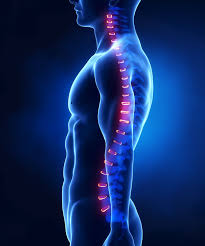
Innovative Treatments for Spinal Cord Injury Patients
Innovative treatments are needed for individuals with spinal cord injuries (SCI) and can lead to significant functional improvements in patients as well as give them a higher quality of life according to Sue Ann Sisto, PT, MA, PhD, Professor of Physical Therapy, Research Director, Division of Rehabilitation Sciences, Director of the Rehabilitation Research and Movement Performance (RRAMP) Laboratory,Stony Brook University School of Health Technology and Management (SHTM),
Studies published in the September 2012 issue of ”Archives of Physical Medicine & Rehabilitation” show that innovative treatments for individuals with SCI can lead to several functional improvements in patients and also a higher quality of life. Dr. Sisto says the findings suggest that a shift in both protocol and policy is needed to advance and standardize rehabilitation for patients with SCI.
“These studies provide evidence from many patients that long-term rehabilitation practices such as locomotor training, exercise, and wellness activities for patients with full or partial spinal cord injuries lead to improved health and function in patients,” according to Dr. Sisto.
While most of the studies evaluate activity-based rehabilitative practices involving the assessment and the improvement of patients’ neurological or motor functioning, other studies evaluate patients’ overall health status. For example, researchers concluded ( in “Cardiovascular Status of Individuals with Incomplete Spinal Cord Injury from 7 NeuroRecovery Network Rehabilitation Centers,”) that a patient’s resting blood pressure and heart rate are affected by age, body position, and neurological level. They also found that one-fifth of patients had a quick drop in blood pressure because of a sudden position change from lying down to sitting up.
Dr. Sisto says that practices like locomotor training, which consists of activities involving step training using body support on a treadmill, and with manual assistance, are valuable and show great promise for motor improvement in chronic spinal cord injury patients. New computer and other technologies, she says, are also helping to improve physical therapy and rehabilitation practices for patients, as well as help professionals more effectively chart patient progress.
One of the innovative treatments as is recommended, is a physical therapy solution that is already in use in many leading U.S. and European rehabilitation centers and clinics. Referred to as the TUTOR system the devices are ergonomically designed gloves and braces placed on various affected limbs and then with sensors are connected to dedicated software. The software consists of specially designed games that allow the SCI patient to exercise his hand, wrist, elbow, leg, knee or any other affected limb. Also usable by patients suffering from Parkinson’s disease, MS, CP, stroke, brain injury or other upper or lower limb immobilities the HANDTUTOR, ARMTUTOR, LEGTUTOR and 3DTUTOR are physical therapy products that are monitored by therapists who then design a customized exercise program for that patient.
The TUTORs are fully certified by the FDA and CE and can be used by adults as well as children from the age of 5. Patients having logistical difficulty or a desire to conduct their rehabilitation from home can do so through telerehabilitation.
See WWW.MEDITOUCH.CO.IL for further information.
Friday, 5 October 2012
Weight Training and Exercises for Stroke Patients
Chris Kaiser, Cardiology Editor of ”MedPage Today” reports on ”Working with Weights” for stroke rehab patients. The article is
reviewed by Zalman S. Agus, MD; Professor Emeritus , Perelman School of Medicine at the University of Pennsylvania etal.
This is a preliminary study of a 6 month study program for combined aerobic and resistance training which resulted in improvements in cognitive function for post stroke patients.
The idea was to incorporate resistance training — often overlooked in stroke rehab — that may help improve cognitive skills in stroke survivors.
In addition to that aerobic exercise also contributed to improvements in cognition at 6 months, according to Susan Marzolini, BPHE, MSc, of the Toronto Rehabilitation Institute, and her colleagues.
Resistance training is not usually a standard component of stroke rehab, according to Marzolini. She stated that “To measure the muscle mass, we used dual-energy x-ray absorptiometry, which is a very precise method. We found that the greater the improvement in muscle mass, the greater the improvement in cognition.”
The muscles that were affected most by stroke in this study were those for walking — especially, the hip flexors, which raise the knees up, and the pretibial muscles, which lift the toes up.
Many rehab centers have stroke patients only moving their legs, but under the revised program weights are added. The intensity of the amount of weight is the key to their improvement,” according to Marzolini.
Marzolini determines the heaviest weight a patient can lift, divides that by half, and then proceeds with 10 repetitions. The reps are then increased gradually. When the patient shows he is ready for more weight, he drops back down to 10 reps. In addition patients also use resistance bands in order to strengthen weak muscles.
Resistance training has also added an overall 30% improvement in bilateral strength.
Marzolini and her colleagues found an association between positive changes in concentration and attention and aerobic exercise, as it was measured by maximal oxygen consumption. This was independent of time from stroke, sex and change in fat mass and depression score .
Forty one patients were studied who suffered a mild or moderate stroke. The mean age was 63, and 70% of the patients used some type of walking assistance. The time from stroke to the start of rehabilitation varied from several months to 5 years.
By using the Montreal Cognitive Assessment test, the researchers found that this training program resulted in a significant overall improvement in cognition and specifically in attention and concentration at 6 months following rehabilitation.
Marzolini and her team is preparing for stage two of this research, which is a study that randomizes stroke patients to aerobic and resistance training or exclusively resistance training.
“I suspect aerobic and resistance training are working synergistically,” Marzolini said.
Marzolini feels that exercise is very important for everyone, and especially for stroke patients. Rehab programs should include both strength and aerobic training.
In line with the thinking of Marzolini when it comes to exercising limbs that have been affected by strokes the most effective physical therapy products should be used. One of the most efficient such devices currently in use in leading rehabilitation centers worldwide is the TUTOR system.
The HANDTUTOR and its sister devices (ARMTUTOR, LEGTUTOR and 3DTUTOR) has become a key system in neuromuscular rehabilitation for stroke victims as well as for those recovering from brain and spinal injuries, Parkinson’s, MS, CP and other limb movement limitations. These innovative devices implement an impairment based program with augmented motion feedback that encourages motor learning through intensive active exercises and movement practice. The TUTOR products consist of a wearable glove or braces that detect limb movement showing the patient how much active or assisted active movement they are actually doing. The rehabilitation software uses special rehabilitation games to set a new target for this movement in terms of the patient’s ability to move their limb. The devices then measure the limb movement and give feedback to the patient. In this way the TUTOR system provides exercises that are challenging and motivating and allow for repetitive and intensive exercise practice. The TUTORs are fully certified by the FDA and CE and can be used in the patient’s home through the use of telerehabilitation. See WWW.MEDITOUCH.CO.IL for more information.
Thursday, 4 October 2012
Exercises Following Shoulder Surgery
It is important to have a regular exercise routine following shoulder (or arm) surgery. These will restore normal motion and flexibility and allow a return to work and normal activities. A physical therapist or orthopedic surgeon will probably recommend an exercise program consisting of 15 minutes several times per day.
Here are some of the routines that can be followed: (For particular details on the specific exercise search for it by name or speak to your professional). Pendulum, Circular, Shoulder Flexion (Assistive), Supported Shoulder Rotation, Walk Up Exercise (Active), Shoulder Internal Rotation (Active), Shoulder Flexion (Active), Shoulder Abduction (Active), Shoulder Extension (Isometric), Shoulder External Rotation (Isometric), Shoulder Internal Rotation (Isometric), Shoulder Internal Rotation, Shoulder External Rotation, Shoulder Adduction (Isometric), Shoulder Abduction (Isometric).
In addition to the above the patient can also avail himself of state of the art physical therapy products such as the TUTOR system. Specifically the ARMTUTOR. The ARMTUTOR™ has been developed to allow for functional rehabilitation of the upper extremity including the shoulder, elbow and wrist. The system consists of an ergonomic arm brace together with dedicated rehabilitation software. The ARMTUTOR™ allows the physical and occupational therapist to report on and evaluate the patient’s functional rehabilitation progress. Intensive repetition of movement is achieved through challenging games set to the patient’s ability. The system provides detailed exercise performance instructions and precise feedback on the patient’s efforts. Controlled exercise of multijoints within the normal movement pattern prevents the development of undesired and compensatory joint movement and ensures better performance of functional tasks. Telerehabilitation allows the recovering patient to continue his physical therapy at home. The system (which also includes the HANDTUTOR, LEGTUTOR and 3DTUTOR) is used by many leading rehabilitation centers worldwide and has full FDA and CE certification. See WWW.MEDITOUCH.CO.IL for more information.

Monday, 24 September 2012
Decisions, Decisions, Decisions
All the time we read about a famous athlete that sustains an injury and has to undergo surgery as a result of an injury or overuse of an arm , hand or leg. There is always a lingering doubt if that surgery will suspend or cancel the athlete’s playing season or even career.
Michelle G. Carlson, MD writes that when a hand surgeon, for example, treats a talented athlete, many questions come up. After the physician makes a diagnosis and decides on a treatment plan, that is often a challenge to any patient but here the questions first begin. When do you treat the patient? Is it possible for the athlete to return to play with that particular injury? Should the treatment wait until the season is concluded? If the decision is to treat immediately, how long a period of time will the athlete be out of play? Is this decision going to end the athlete’s season? or his career? Will being out for the season end his career? How do these questions affect the doctor’s decision? Physicians are expected to make choices where lost days of play can make tremendous differences in the career of collegiate, professional, or even high school athletes.
This is why the decisions made should include involving the most sophisticated and advanced methods of treatment so that the athlete has the best chance of returning as fast as possible to his profession. Since most, if not all, limb surgeries necessitate a period of physical therapy during recovery it is imperative for the medical professional to seek out the best physical therapy solution available. Currently that would be the recently created TUTOR system. The HANDTUTOR, ARMTUTOR, LEGTUTOR and 3DTUTOR are innovative physical therapy products that are speeding the improvement of limb repair in athletes and others who have undergone hand, arm, elbow, shoulder or leg surgery. The TUTORs are comfortable ergonomically designed gloves or braces which are strategically placed on the affected limb and with special sensors connected to dedicated software that detect motion. They provide an intensive exercise program through the use of special games geared to that particular patient . The physical or occupational therapist records and evaluates the patient’s performance and creates a customized program for that patient. In addition the TUTOR system aims to optimize the motor, sensory and cognitive performance of the user.
Currently in use in leading U.S. and European hospitals and clinics the TUTORs are fully certified by the FDA and CE and can be used at the patient’s home through telerehabilitation.
See WWW.MEDITOUCH.CO.IL for further information.

Thursday, 13 September 2012
Recovering From Spinal Cord Injuries
It is very common that spinal cord injury patients will have feelings of fright, confusion or anxiety .They may also have feelings of disbelief because they are still alive even though they have severe disabilities.
Actually rehabilitation consists of a multi pronged approach. It includes physical therapies, activities to rebuild skills and emotional and social support.
The rehab team of specialists will normally include a physiatrist, recreational therapist, social worker, physical and occupational therapists, nutritionists, nurses, psychologists, case workers to coordinate everything and others.
The first part of rehabilitation will consist of the physical aspect of getting the affected mobility returned. This may be accomplished only with the help of devices such as: wheelchairs, braces and walkers. To get the patient to communicate he will use normal typing, writing and phone devices.
Muscle strengthening is part of actual physical therapy whereas redeveloping fine motor skills is within the role of an occupational therapist. Basic toileting routines and self grooming are also taught at this stage.
If the patient shows the ability to cope, a vocational counselor (VC) will assess skills, dexterity, physical and cognitive capabilities to determine what might be available in terms of employment. The VC will also arrange for any assistive devices that may be needed in the workplace. If the patient will not be able to achieve gainful employment then the VC will find other places for the patient to spend his time in a productive manner. This could include hobbies, educational classes, getting involved in special interest groups, and participating in family and community events.
Finally there is recreational therapy which would get the patient to use their abilities to participate in athletic activities at their level. This latter aspect can help to achieve a more normal lifestyle and allow for some raised self esteem.
When deciding on the most appropriate form of physical therapy an effort should be made to utilize the most advanced form of physical therapy products. Such devices are now found in the form of the recently developed TUTOR system. Consisting of the HANDTUTOR, ARMTUTOR, LEGTUTOR and 3DTUTOR these devices are at the forefront of assisting spinal cord injury patients to recover lost movement ability skills. The TUTORs implement an impairment based rehabilitation program with augmented feedback and encourage motor learning. The system allows the therapist to evaluate and objectively quantify and record the patient’s motor and cognitive impairments and then customizes a treatment session for that patient.
Currently in use in leading U.S. and European hospitals and clinics the TUTORs are fully certified by the FDA and CE. They are usable by children as young as 5 as well as adults and can be used in the patient’s home through telerehabilitation.
See WWW.MEDITOUCH.CO.IL for further information.
Sunday, 9 September 2012
Hip & Knee Surgeries–How to Avoid Them
By now the public knows a lot about and utilizes hip and knee surgery to get a new ”lease on life” when the old joints need replacement. In an article authored by Brent Steepe, a training specialist, on September 5, 2012 he discusses ways to totally avoid the drastic operations and their painful ramifications. Sometimes people who have had those surgeries come to him as the results were not what they were supposed to be or that they are are still in pain.
The ”trick” is to determine whether the problem is skeletal or muscular. For this one needs a qualified professional. If the problem is muscular then surgery probably won’t help at all. Having surgery in those cases by inserting metal rods and getting fusions can even cause more pain and other problems. Steepe explains that the problem can be the fact that the rod is inflexible and that it will only force other muscular systems to adapt. Many times a knee replacement is followed by a hip replacement because of that phenomenon.
Steepe tells about a woman whose knee joints had become ”bone on bone” and wanted knee surgery. Medications and injections were not helping. Knee replacement was prescribed. She wanted very much to walk and climb stairs pain free. Work was commenced to realign and retrain the muscles on her body so that they would work as designed. After a year and a half she has no pain and can even run.
In order to embark on this course of correction the trainer needs to understand the lifestyle of the patient and determine what activities caused the problem in the fist place. Also was the original injury given the proper treatment and attention. Most of the time it turns out that the body part was overused or misused.
The next step is to determine where muscle rebuilding needs to take place, what movement patterns need to be changed and what muscles need more support. In that way a plan can be made to alter movements of muscles so that joints can be used in a way that they were intended to move. Then those ”new” positions are reinforced and over time the problem is resolved.
The severity of the injury will determine the length of time it will take to solve the problem. Minor problems can be corrected in a short period of time while if a major core muscle group was affected it will take longer.
Steepe emphasizes that some previous activities may have to be curtailed or stopped altogether so that the problem doesn’t reoccur. Sometimes all that is needed is to use different muscles and movement patterns.
When these non surgical methods are not sufficient and radical surgery is nevertheless needed then during the rehabilitation phase of recovery the patient should avail himself of the most efficient physical therapy solution available. The current trend is to use the TUTOR system of physical therapy products. The LEGTUTOR would be the key component for physical rehabilitation following knee or hip surgery.
The LEGTUTOR is an ergonomic wearable leg brace with dedicated rehabilitation software. The LEGTUTOR rehabilitation concept is based on performing controlled exercise rehabilitation practice at a patient customized level with real time accurate feedback on the patient’s performance. This means that the LEGTUTOR system allows the physical therapist to prescribe a leg rehabilitation program customized to the patient’s knee and hip movement ability at their stage of rehabilitation. The LEGTUTOR uses biofeedback to keep the patient motivated to do the exercise practice with those that were designed in the form of challenging games. They are suitable for a wide variety of other neurological and orthopedic injuries and diseases as well as post trauma and orthopedic surgery.
The LEGTUTOR is also used by physical and occupational therapists in combination with the HANDTUTOR, ARMTUTOR and 3DTUTOR for upper and lower extremity rehabilitation. The TUTOR system is used by many leading rehabilitation centers worldwide and has full FDA and CE certification. It is designed for children and adults and can be used at home supported by telerehabilitation. See WWW.MEDITOUCH.CO.IL for more information.
Wednesday, 5 September 2012
Physical Rehabilitation Through Sports Activities
A division of the U.S. Olympic Committee, the U.S. Paralympics, was formed to become a world leader in the Paralympic sports movement and to promote excellence in those people with physical disabilities. Formed in 2001, U.S. Paralympics has been helping Americans achieve their dreams. U.S. Paralympics is making a difference in the lives of thousands of people with physical and visual disabilities daily through education, sports programs and connections with community organizations, government agencies and medical facilities.
There are an estimated 21 million Americans with a physical disability. In recent years, thousands of military personnel have sustained serious injuries during their tour of active duty. Research has shown that daily physical activity improves not only the individual’s self-esteem and peer relationships, it also results in a higher quality of life, increased achievement and better overall health. However most individuals with physical disabilities do not have the opportunity to participate in regular sports activity., That’s why U.S. Paralympics is working hard to make this an important national issue.
There are 3 ways in which U.S. Paralympics operates programs. 1) Community Programs. U.S. Paralympics manages many outreach initiatives, that connect with individuals who have physical disabilities directly and supporting Paralympic organizations with program development. A key goal of the U.S. Olympic Committee is to increase the availability of Paralympic sport programming across the country. By partnering with existing organizations, as well as the development of new programs, the U.S. Olympic Committee’s Paralympic Division is targeting 250 Paralympic Sport Clubs in American cities by this year of 2012. USOC Paralympic Military Program. 2) The Paralympic movement was founded through a rehabilitation program developed for World War II veterans that were wounded. In addition, the Paralympic Military Program provides rehabilitation support and mentoring to American veterans who sustained physical injuries. Veterans are introduced to Paralympic opportunities and sport techniques through various clinics and camps. They are also connected with ongoing Paralympic sports programs in their hometowns. The program is not just about sports; it is also about attitude, comaraderie and promoting healthy, active lifestyles. 3) Elite Athlete & Team Support. U.S. Paralympics has been a leader in the preparation and selection of national Paralympic teams for 24 different sports. The athletes represent the U.S. in the Paralympic Games and other international competitions.
Another impressive organization that combines the disabled with sport is Israel’s TIKVOT. Tikvot is a non profit volunteer based organization which rehabilitates Israel’s victims of terror through sport. Tikvot means “Hopes” in Hebrew and it has been proven that sport, Tikvot’s tool, provides these heroes with Hope, giving them the power to restore self confidence and dignity. Tikvot operates in tandem with the world’s top specialist organizations with specific expertise in the design of unique sports rehabilitation programs suited expressly to each disability. TIKVOT – brings along the guidance, support and funding for these projects, beginning with the onset of injury and the subsequent period of hospitalization to ultimate rehabilitation on the sports field.
When rehabilitation is required for sports or disease related injuries the affected patient should have access to the best physical therapy products available. Such devices can be found in the TUTOR system. Consisting of the HANDTUTOR, ARMTUTOR, LEGTUTOR and 3DTUTOR, The TUTORs have become a key system in neuromuscular rehabilitation for stroke victims and those recovering from sports injuries, brain and spinal injuries, Parkinson’s, MS, CP and other limb movement limitations. The TUTOR products implement an impairment based program with augmented motion feedback that encourages motor learning through intensive active exercises and movement practice. They consist of ergonomically designed wearable glove and braces that detect limb movement showing the patient how much active or assisted active movement they are actually doing. The rehabilitation software uses specially designed games to set a new target for this movement in terms of the patient’s ability to move their affected limb. The devices then measure the limb movement and give feedback on the success of the patient in trying to gain this new movement objective. In this way the patient understands which effort is more successful in allowing them to move their affected limb again. The TUTOR system provides exercises that are challenging and motivating and allow for repetitive and intensive exercise practice. The TUTORs are now part of the rehabilitation program of leading U.S. German, Italian, French, UK and other foreign hospitals. They are available for children from the age of 5 and at home throughthe use of telerehabilitation. See WWW.MEDITOUCH.CO.IL for more information.

Tuesday, 4 September 2012
Rehabilitation as a Way to Improve Quality of Life
A journal article authored by R.T. Abresch etal of the Department of Physical Medicine and Rehabilitation, University of California, Davis, .
USA discusses how improving quality of life has been a goal of rehabilitation medicine. However, the problem lies in that health care providers often do not know much about the quality of life of individuals that have neuromuscular diseases (NMD), nor what factors will help them to achieve a good quality of life. This lack of knowledge about subjective quality of life factors can bring negatively influenced expectations and the selection of treatments. In the most obvious cases, a physician’s subjective but incorrect assessment of a disabled individual’s quality of life may prevent the patient from receiving life-sustaining interventions.
As a group, the quality of life of individuals with NMD is not much different than nondisabled controls and is substantially better than presumed by the general public and, often times, by health care workers. Nevertheless, sometimes their quality of life is reduced in certain areas. Level of disability is not a critical factor that significantly alters life satisfaction, surprisingly. Presumably, this is because physical functioning has been adequately managed.
The greatest problems that individuals with neuromuscular disease identified were: lack of information about the disease and services; poor coordination of services; a diminished expectation of their potential and negative attitudes. In addition, people with severe disabilities had significant problems financing, obtaining, and managing personal care attendants. Factors related to a good quality of life were, on the other hand, related to perceived control, perceived health status, but not disability. The more that people could do for themselves, either on their own or with personal care assistants, use of technology, assisstive devices, the better their quality of life.
One of the most comprehensive systems to achieve success in rehabilitative medicine is through the use of the TUTOR physical therapy products the results of which will achieve an improved quality of life. Nowadays physical and occupational therapists as well as other health care providers are getting to know that the TUTORs can change not only perceptions but actual outcomes of disability related attitudes.
The TUTORs, conisting of the HANDTUTOR, ARMTUTOR, LEGTUTOR and 3DTUTOR, have been created to allow the patient to conduct intensive exercises in a fun way and to derive satisfaction from his successes. Physical therapists monitor the exercises and design a custom made program for that patient. This allows the patient to derive a sense of accomplishment that he himself (and not a robot) has produced and will hopefully lead him to a higher level of independence by performing everyday tasks
In addition the TUTORs improve fine motor, sensory and cognitive impairments. The physical therapy products in the form of the TUTORs are ergonomically designed gloves and braces that contain sensors connected to sophisticated software. This software gives the therapist objective and quantitative information on the patient’s functional impairment.
The HANDTUTOR, ARMTUTOR, LEGTUTOR and 3DTUTOR are the preferred physical therapy solution for rehabilitation for patient’s who have suffered a stroke, brain or spinal cord injury, Parkinson’s disease, CP, MS and other upper or lower limb surgeries.
Currently the TUTORs are being used in leading U.S. and European hospitals and clinics. They are fully certified by the FDA and CE and are available for children as young as 5 and at the patient’s home through the use of telerehabilitation. See WWW.MEDITOUCH.CO.IL for further information.


Monday, 3 September 2012
Exercising for the Heart
Cardiovascular disease around the world is one of great concerns to patients and health providers alike. Cardiac rehabilitation aims to return patients with heart disease to health by exercise-only based rehabilitation or comprehensive cardiac rehabilitation.
The Objective of a study on the subject was to determine the effectiveness of exercise-only or exercise as part of a comprehensive cardiac rehabilitation programme on the mortality, morbidity, modifiable cardiac risk factors and health-related quality of life (HRQoL) of patients with coronary heart disease.
Electronic databases were searched for randomized trials, using standardised trial filters, for a period of about 10 years.
The subject of the trial were men and women of all ages, whether in hospital or in community settings, who had coronary artery bypass graft, myocardial infarction, or percutaneous coronary angioplasty, or who had angina pectoris or coronary artery disease.
The studies were selected independently by two reviewers, and data was collected independently. 8440 patient results were analyzed.
The results showed that exercise-based cardiac rehabilitation is effective in reducing cardiac deaths. It is not clear from this review whether exercise-only or a comprehensive cardiac rehabilitation intervention is more beneficial. More research will have to be done to determine that.The population studied in this review was still predominantly low risk, male and middle aged. Identification of the ethnic origin of the participants was seldom reported. (It is possible that patients who would have benefited most from the intervention were not included in the trials on the grounds of age, sex or co-morbidity).
In plain lamguage it was found that regular exercise or, alternatively, exercise with education and psychological support can lower the likelihood of dying from heart disease.
Coronary heart disease (CHD) is one of the most common forms of heart disease. The heart is affected by restricting or blocking the flow of blood around it. This in turn can lead to a feeling of tightness in the chest (angina) or a heart attack. Cardiac rehabilitation tries to restore people with CHD to health through regular exercise or a combination of exercise together with education and psychological support. The findings of this review show that either form of cardiac rehabilitation can reduce the likelihood of death from heart disease.
One of the current tested methods of exercise is the TUTOR system. The HANDTUTOR, ARMTUTOR, LEGTUTOR and 3DTUTOR have been devised to offer the patient intensive exercises for a variety of ailments. The TUTOR physical therapy products are ergonomically designed gloves and braces that include sensors connected to exclusive, motivating and challenging games. This allows the patient to practice isolated and/or interjoint coordination exercises. The physical therapist then records and evaluates these movements and designs an exclusive exercise program for the patient. The TUTORs are currently in use in leading U.S. and European rehabilitation hospitals and clinics and are also available for home use through telerehabilitation. The TUTORs are usable by adults and children and are fully certified by the FDA and CE. See WWW.MEDITOUCH.CO.IL for further information.

Sunday, 2 September 2012
U.S. Army Enters Fight …Against Traumatic Brain Injury
It was reported by the Army News Service on August 31, 2012 that the U.S. Army together with the National Football League will be joining to increase the research into the causes, prevention and treatment of Traumatic Brain Injury (TBI).
An agreement was reached and signed by Army Chief of Staff Gen. Ray Odierno and NFL Commissioner Roger Goodell to continue sharing their resources to combat TBI.
Attending the event were soldiers and players who have had concussions during their service or games. Representatives of the medical corps and 200 cadets also participated.
Ironically it is the tough discipline and feeling of team over self that they are taught which prevents soldiers and players from disclosing that they were injured and from seeking help after a concussion.
These traits make it difficult for individuals to admit that they have a particular problem, especially mental.
Gen. Odierno stated that the goal of the new program is to educate the soldier and player to come forward and be educated that they have to seek treatment both on the battlefield and on the playing field.
The general discussed various examples of how dialogue and the sharing of research can monitor TBI. One of the methods is placing sensors in the helmets that are worn that can detect a concussion after a trauma to the head occurs.
NFL commissioner Goodell told those assembled that basic cultures (of not disclosing concussions) have to change making players and soldiers share their experiences. The importance of disclosing the incident with officers higher in rank needs to take place without fear of retribution just because they disclosed what happened.
Some officers and players told about their personal experiences and how they were reluctant to seek help.
The NFL commissioner stated that not asking for help will no longer be tolerated. That there has to be accountability. That coaches and other players will no longer be able to make the decision. Only medical personnell will be allowed to judge whether a player or soldier can return to duty. Proper leadership and supervision includes allowing this to happen.
” Seeking help is playing smart.” he added.
Both officials said that enough progress hasn’t been made yet and more needs to be done.
There is an Army Directive that stipulates that soldiers have a minimum of 24 hours of downtime and need to get a medical clearance before returning to duty following a blast or vehicle incident.
Maj. Sarah Goldman, program director of Army Traumatic Brain Injury at the Office of the Surgeon General, Rehabilitation and Reintegration Division, stated that more than 13,000 service members sustained some form of concussion since 2010 and 95 percent were returned to duty.
Odierno, admitted that when he played football he would not have sought medical attention for a concussion. “I wouldn’t have taken myself out. Someone else would have had to.” He said that kind of thinking is wrong.
The general added that the army and players have to have a bond to take care of each other no matter what the rank.
When TBI occurs the best physical therapy solutions should be put in place. Currently that includes the TUTOR system.
Victims of brain injury and stroke can benefit greatly from the Tutor system– the HANDTUTOR, ARMTUTOR, LEGTUTOR and the 3DTUTOR. The Tutor system is being used successfully in leading U.S. and foreign hospitals and clinics and is also benefiting home care patients through the use of telerehabilitation.This ensures that the patient is motivated to do more practice between treatments by the therapists.
The newly developed HANDTUTOR and its sister devices have become a key system in neuromuscular rehabilitation and physical therapy for brain injury patients including, post stroke and TBI patients. These innovative physical therapy products implement an impairment based program with augmented feedback that encourages intensive practice and motor learning through active exercises. The exercises are challenging and motivating and allow for repetitive training tailored to the patient’s performance , motor , sensory and cognitive movement ability. Customized simple and powerful rehabilitation software allows the physical and occupational therapist the ability to adjust the program and exercise difficulty to the patient’s movement ability. The system also includes objective quantitative evaluations that allow the physiotherapist and his occupational therapist colleagues to report on the patient’s exercise progress. The TUTOR system is suitable for children as well as adults.
See WWW.MEDITOUCH.CO.IL for further information.

Friday, 31 August 2012
Ballet: An Art Form or Cause for Rehabilitation
Most of us don’t associate the art of Ballet dance with injury and rehabilitation however ballet is a source of both. There are many causes for such injuries. There may be environmental factors such as faulty dance surfaces. There may be inappropriately fitting footwear leading to foot conditions. There may be spinal cord issues which can be the cause FOR injury as well as a result OF an injury. An incorrect ”turnout” ( the ability of the dancer to turn his or her feet and legs out from the hip joints to a 90-degree position) on the part of the dancer may cause an injury. There may be an inbalance of soft tissue or inadequate quadricep strength. The beautiful but potentially harmful ballet steps of ”plies”-which is a smooth continuous bending of the knees; ”pointe” where the dancer performs steps while on the tips of the toes using a special block shoe and ”demipointe” can all cause serious injury or worse.
Both male and female ballet dancers are susceptible to these injuries so when they occur the very best physical therapy solutions need to be at hand during their rehabilitation. Physical and occupational therapists have been using the TUTOR system to rehabilitate injured limbs of patients suffering from strokes, brain/spinal cord and upper and lower limb surgeries, Parkinson’s disease, Cerebral Palsy, Multiple Sclerosis and many other limb disabling medical conditions. It is only natural that the HANDTUTOR, LEGTUTOR and ARMTUTOR would be used in the treatment of ballet injuries as well.
The TUTORs are comfortable, ergonomically designed gloves and braces that are strategically placed on the affected part of the body and with sensors attached to dedicated software the patient is subjected to intensive exercises. The therapists evaluate the results and then design a personalized exercise program for that patient. These physical therapy products are currently in use in leading rehabilitation hospitals in the U.S. and Europe. The TUTOR system is fully certified by the FDA and CE and can be used by children as young as 5 as well as adults. Telerehabilitation allows the patient to use the TUTORs in his own home.
See WWW.MEDITOUCH.CO.IL for further information.


Wednesday, 15 August 2012
”Do Re Me Fa So La” and Physical Rehabilitation
Rehabilitation medicine combined with music therapy has been around for some time now. It as helped people with all kinds of physical disorders and even those affected by Rett syndrome. The benefits of adding music, an art, to a physical maneuver is unique and successful.Numerous studies have shown how physical therapy results are enhanced by adding music in the background or having the patient directly involved in creating the music. The music is actually ”instrumental” in physical recovery and health maintenance.
One of the beautiful benefits of using music during physical rehabilitation is that one can witness the active and consistent participation of the patient which is often not the case with standard rehabilitation. The music itself encourages participation in exercises. It can also relieve the discomfort associated with the activities. It is the goal of regular music therapy to get the participant to express himself through the music so the common goal here is to alleviate symptoms of orthopedic, pediatric and neurological conditions in order to improve range of motion, strength, communication, balance and cognition and generally the quality of life.
Occupational therapists are finding that music therapy assists clients to maximize the patient’s independence in their daily roles.
When accompanying music is used in conjunction with physical rehabilitation it would be the ultimate combination if the physical therapy products in use were of the highest quality and most efficient. Such would be the HANDTUTOR, ARMTUTOR, LEGTUTOR and 3DTUTOR. These recently created devices are comfortable ergonomically designed gloves and braces that are strategically placed on affected limbs and through sensors are connected to sophisticated software. The software consists of exclusively designed games that the patient plays. Physical therapists monitor , record and evaluate the patient’s progress and design a specific exercise program for the patient. The patient himself activates the limb rather than an external robotic device that causes movement. In that way the patient has control and can progress further independently.
The TUTOR system has been in use now for some time in leading U.S. and European hospitals and rehabilitation clinics. The TUTORs are fully certified by the FDA and CE, are available for children as well as adults and can be used at the patient’s home through the use of telerehabilitation.
See WWW.MEDITOUCH.CO.IL for more information.

Tuesday, 14 August 2012
Concerns of the American Academy of Physical Medicine and Rehabilitation (AAPM&R) Vis A Vis ”Obamacare”
In 1998, a presidential commission on Consumer Protection issued a report where it defined, in its view, the purpose of a health care system. The report
stated:
“The purpose of the health care system must be to continuously reduce the impact
and burden of illness, injury, and disability, and to improve the health and
functioning of the people of the United States.”
People that have disabilities and chronic conditions depend on habilitative services
and devices. This is equivalent to the provision of antibiotics to a person who has an infection—both are
essential to medical intervention. Therefore, rehabilitative and habilitative services and devices are a
vital component of health care, especially for persons that have disabilities and chronic conditions.
These services and devices
• Speed recovery and allow discharge to one’s home sooner rather than later and
provide a higher level of function post injury or illness;
• Improve long-term health status and improve the likelihood of living independently;
• Reduce the likelihood of relapse or returning to the hospital;
• Slow or completely stop the progression of primary and secondary disabilities as they maintain functioning
and prevent further deterioration;
and
• Facilitate a return to work under appropriate circumstances.
For example, rehabilitative services and devices:
• Enable persons with spinal cord injuries to recover and regain functions through intensive
rehabilitation services ;
• Enable people who were born with congenital conditions or developmental disabilities to learn
skills and the ability to function through various therapies and assistive devices;
• Enable people with traumatic brain or spine injury to improve cognition and functioning by using
appropriate therapies and assistive devices.
It is evident from literature and personal evidence that when people withdisabilities and chronic conditions have access to treatments, including rehabilitative and habilitative
services and devices, their healthand quality of life are substantially improved. Both patients and insurers, as well the taxpayer,save many dollars of future health care costs.
The Brain Injury Association of America claims that the results of inadequate rehabilitative and habilitative services and devices for individuals with disabilities and chronic conditions to society are well known. It can result in elevated levels of medical complications, permanent disability, job loss, family dysfunction, homelessness, medical indigence, suicide and even involvement with the criminal justice system.
Inadequate treatment can also lead to lost productivity and greater utilization of public income programs and plans (such as SSI and SSDI, Medicare and Medicaid) and long-term care.
Health benefits should enable individuals to be functional, healthy and live as independently as possible. Rehabilitation services and devices should lessen the deterioration of a person’s financial status.
The AAPM&R organization is concerned that the new medical care act (Obamacare) will provide for all of the above services. One of the most efficient and cost effective recently developed physical therapy products is the TUTOR system. This is a system that will reduce the impact and burden of illness and disability. It has all the qualities of a rehabilitation program that is needed to assist patients in regaining their mobility after a stroke, brain or spinal cord injury, MS, CP, Parkinson’s disease and other upper or lower limb disabilities. The TUTOR system consists of motivating and challenging games that allow the patient to practice isolated and/or interjoint coordination exercises. Controlled exercise practice will help to prevent the development of compensatory movement patterns. The physical therapist objectively and quantitatively evaluates the treatment progress and designs a cuistomized program for the patient.
Fully certified by the FDA and CE the TUTORs (HANDTUTOR, ARMTUTOR, LEGTUTOR and 3 DTUTOR) are available for use by children as well as adults and at the patient’s home through telerehabilitation. See WWW.MEDITOUCH.CO.IL for more information.

Sunday, 12 August 2012
New Stroke Rehabilitation Device May Join Others Already In Use
Victoria University, New Zealand, masters student in engineering, Abigail Rajendran, 23, designed a stroke rehabilitation device and is working to market it. Rajendran believes that stroke patients will be able to rehabilitate themselves from home with the new device.
With the device strapped on to a patient’s hand the goal is to exercise it in an opening and closing motion. A connected computer game activates at the same time and keeps both sides of the brain working.
Once the patient regains the strength and can do the motion himself, he can increase the resistance with a special liquid contained in the device.
Rajendran says that until now, stroke patients had to rely on expensive and large rehabilitation equipment only found in hospitals. However this device could be used regularly at home.
Funding for a prototype has been provided by the Science and Innovation Ministry.
Few, if any, home rehabilitation instruments are available for people recovering from strokes and new technology has to be made available according to Chief executive Sunil Vather.
Apparently New Zealand stroke patients get only a few hours of therapy if they’re lucky and this device may afford them many more hours.
Miss Rajendran will present her idea in Singapore later this month, and in Brisbane in October. The device may be ready for use in about a year.
Apparently unknown to Miss Rajendran and her associates such physical therapy solutions already exist and are being used successfully in many leading U.S. and European and other hospitals and clinics. The physical therapy products known as the HANDTUTOR, ARMTUTOR, LEGTUTOR and 3DTUTOR have been devised to allow intensive exercises to stroke victims as well as those afflicted with disabling Parkinson’s, MS, CP, brain/spinal cord injuries and other upper and lower limb paresis.
The TUTORs are comfortable ergonomically designed gloves and braces that are attached to the affected areas of the body and then connected to a computer that has dedicated software in the form of games. These games are played with the active initiation of the patient himself and the results are recorded and evaluated by physical therapists who then design a specific exercise program for that patient.
Since many patients have improved to the point where they no longer need hospitalization they and others who live too far from a rehabilitation clinic can avail themselves of the TUTORs at home through the use of telerehabilitation. In addition the TUTOR system is one of the most cost effective physical therapy products on the market today and they are small in relation to hospital based large equipment.
The TUTORs are fully certified by the FDA and CE. See WWW.MEDITOUCH.CO.IL for more information.

Tuesday, 7 August 2012
New Formula Predicts Rehabilitation Outcome
The journal called ”Brain” featured an article on July 31, 2012 about a development that could revolutionize rehabilitation for stoke patients. University of Auckland researchers have shown how it may be possible to predict potential recovery in stroke patients for hand and arm function. Realistic goals for recovery may be set for patients and trial outcomes for new therapies may have also have better results through this approach.
According to Professor Winston Byblow one of every six people will have a stroke at some time during their life and until now comparisons were made as to outcome based on group similarity to others with the same symptoms. An individual patient’s rehabilitation plan can not be known. ”We have developed the first clinical algorithm to actually predict the individual patient’s potential for recovery based on information gathered before rehabilitation even begins.” said Byblow.
A test is administered to the hospitalized stroke patient within 3 days of the event. It is very quick and requires no special equipment. Dr Cathy Stinear, who authored the journal article, explains that in some cases additional testing may be required such as an MRI to determine whether the pathways in the particular side of the brain remain viable and to measure the integrity of neural pathways from the brain to the arm. When the algorithm is combined with the results of the tests a prediction can be made about patient recovery at 12 weeks which is when therapy would normally end.
The information gleaned from this new test can be used to customize rehabilitation for the patient before it even begins. It is the first study to predict an individual’s potential for motor function recovery using test results obtained from that patient in the first days after stroke, according to Neurologist Professor Alan Barber, a member of the research team and Head of the Auckland Hospital Stroke Service .
The research team is now in a three year trial period of the algorithm method to show if the outcomes really benefit the patient and increases the efficiency of hospital rehabilitation services.
Once that prediction is made and actual rehabilitation commences the physical therapy product of choice may well be the HANDTUTOR and ARMTUTOR.
The HANDTUTOR and ARMTUTOR™ have been developed to allow for functional rehabilitation of the upper extremity including the shoulder,arm, elbow and wrist. The system, recommended for use for a variety of injuries and diseases including stroke, Parkinson’s, CP, MS and other upper and lower limb disabilities
, consists of an ergonomic wearable glove and arm brace together with dedicated rehabilitation software. The TUTOR systems (including the LEGTUTOR and 3DTUTOR) allow the physical and occupational therapist to report on and evaluate the patient’s functional rehabilitation progress. This allows them to prescribe the correct customized and motivating intensive exercise practice to the manual rehabilitation therapy. Intensive repetition of movement is achieved through challenging games set to the patient’s ability. The system provides detailed exercise performance instructions and precise feedback on the patient’s efforts. Controlled exercise of multijoints within the normal movement pattern prevents the development of undesired and compensatory joint movement and ensures better performance of functional tasks. Telerehabilitation allows the recovering patient to continue his physical therapy at home. The system is used by many leading rehabilitation centers worldwide and has full FDA and CE certification. See WWW.MEDITOUCH.CO.IL for more information.

Subscribe to:
Posts (Atom)