Showing posts with label arm tutor. Show all posts
Showing posts with label arm tutor. Show all posts
Tuesday, 20 November 2012
Complimentary Medicine and Physical Disabilities
A U.S. national survey researching the connection between the use of complimentary medicine and those that have a physical disability produced some interesting results.
Matthew J. Carlson, Ph.D. and Gloria Krahn of Portland State University and Oregon Health & Science University
conducted the survey, the purpose of which was to estimate the prevalence of complementary and alternative medicine (CAM) as used by the practitioner, assess the reasons for its use, and determine the symptoms for which CAM practitioners were consulted. This was conducted in a national US sample of insured adults with physical disabilities.
The methods used were data from a longitudinal survey on a national sample of some 830 adults covered by health insurance who had one of the four disabling conditions: cerebral palsy, multiple sclerosis, arthritis and spinal cord injury. Cross sectional analysis of the data produced estimates of annual prevalence and reasons and symptoms for which CAM practitioners were consulted.
The results showed that CAM practitioners were consulted by 19% of the sample, a rate similar to, or higher than the general population. The use of CAM was more prevalent among women than men (24 vs. 10%), in the Western US (30%) compared to the Midwest (20%) Northeast (14%), and South (10%). It was used by former devotees (62%) compared to non-users (8%). Spinal cord injury reported the lowest use (14%). The most common symptoms treated were pain (80%), decreased functioning (43%), and lack of energy (24%). The common reasons for using CAM practitioners included a lifestyle choice (67%) and also because they are perceived to be more effective than conventional medicine (44%).
The conclusions of the survey suggest that a significant proportion of people with physical disabilities consult CAM practitioners. Many of those who use CAM do so because it fits their lifestyle and because they perceive it to be more effective than conventional medicine for treating common symptoms including pain and decreased functioning.
Effective treatment of physical disability can also be achieved by obtaining and using the correct physical therapy product. Leading the pack is the TUTOR system. Consisting of the HANDTUTOR, ARMTUTOR, LEGTUTOR and 3DTUTOR these recent innovations have been created to treat physical limb disabilities as a result of a stroke, brain or spinal cord injury, Parkinson’s disease, MS, CP and other upper or lower limb disabilities.
The TUTOR system consists of motivating and challenging games that allow the patient to practice isolated and/or interjoint coordination exercises. The dedicated software allows the therapist to fully customize the exercises to the patient’s movement ability. Consisting of ergonomicaly designed gloves and braces the TUTORs optimize the patient’s motor, sensory and cognitive performance and allows him to better perform daily functional tasks and thereby improve his quality of life.
The TUTORs are currently in use in leading U.S. and European hospitals and clinics and are available at home through telerehabilitation. Fully certified by the FDA and CE the TUTORs can be used by adults as well as children from the age of 5 and up.
See WWW.MEDITOUCH.CO.IL for further information.


Sunday, 28 October 2012
Ski Accident Statistics and Their Physical Therapy Treatment
Skiing is one of the world’s favorite sports and as such there are a fair amount of injuries to skiers. An analysis of injury statistics compiled over 12 seasons, encompassing 2.55 million skier-days, at a ski resort in Wyoming was used for a ski accident survey. Ticket sales per year was the method of calculating the population surveyed. 9749 skiing injuries were indexed by region and severity according to diagnosis on the initial evaluation. The rates of injury were then analyzed as a function of time.
During the 12 seasons the injury rate remained constant at 3.7 injuries per 1000 skier-days.
During the study period the rate of lower extremity to upper extremity injury decreased from 4:1 to 2:1 .
The ankle injury rate also decreased with time.
7% of all injuries were Ulnar collateral ligament sprains.
30% of all injuries were knee sprains.
Anterior cruciate ligament tears increased as a function of time and accounted for 16% of all skiing injuries during the same study period.
The most common injury was the medial collateral ligament sprain at 18% of all skiing injuries.
In addition there were also forty-seven snowboard injuries recorded.
All of the above injuries can be treated by physical therapy products known as the TUTOR system once the patient has been stabilized and is ready for rehabilitation. The TUTORs provide intensive exercise for all upper and lower limb injuries or surgeries. They are also effective for patients who have Parkinson’s disease, stroke, CP, MS, head and spinal cord injuries and other debilitating medical issues.
The TUTOR system consists of the HANDTUTOR, ARMTUTOR, LEGTUTOR and 3DTUTOR. These products include motivating and challenging games that allow the patient to practice isolated and/or interjoint coordination exercises. Controlled exercise practice will help to prevent the development of compensatory movement patterns. The dedicated software allows the therapist to fully customize the exercises to the patient’s movement ability. In addition the therapist can objectively and quantitatively evaluate and report on the treatment progress. The rehabilitation system optimizes the patient’s motor, sensory and cognitive performance and allows the patient to better perform everyday functional tasks to improve their quality of life.
The TUTOR system is fully certified by the FDA and CE and is currently in use by leading U.S. and European hospitals and clinics. The suystem is available for children from the age of 5 and up and in the home through telerehabilitation.
Wednesday, 24 October 2012
Stroke Victims and Physical Therapy Gloves
It was reported on Oct. 23, 2012 that a mechanical glove has been devised to aid stroke victims by a Victoria University, New Zealand student.
Abigail Arulandu has joined a field that already has physical therapy products such as the HANDTUTOR that have proven success records that achieve the same thing and have been assisting stroke patients for several years.
Since most stroke victims have clenched hands as a result of the stroke the purpose of therapy is to get them to expand and reuse the hand. Ms. Arulandu’s device has sensors that measure exerted force as does the HANDTUTOR. The information gleaned is transmitted to physical therapists for analysis. The HANDTUTOR system uses exclusively designed games such as: Snowball, Car race, Bubbles, Asteroid attack and others to challenge the patient in an enjoyable way.
These exercises bring the patient to a state where they will be able to function as before the stroke.
Arulandu is attempting to emulate known physical therapy solutions for post stroke rehabilitation such as the HANDTUTOR and should be commended for her efforts.
The HANDTUTOR is one of several similar products already on the market such as the ARMTUTOR, LEGTUTOR and 3DTUTOR that are available and currently being used in leading U.S. and European hospitals and clinics. The ARMTUTOR is the device of choice for injuries and diseases affecting arm, elbow and shoulder problems. The LEGTUTOR assists patients who have had knee or hip replacement surgery. The 3DTUTOR is a wireless motion feedback device that can be positioned on discrete joints of the head, trunk, upper or lower extremities. This allows for evaluation and treatment of the joint of choice. The 3DTUTOR can be used alone or in combination with the ARMTUTOR or LEGTUTOR to exercise additional interjoint coordination movements.
The TUTOR system has also been used to rehabilitate victims of traumatic brain or spinal cord injury, Parkinson’s, CP, MS, Brachial Plexus Injuries and more.
All of the TUTORs can be used at home through the use of telerehabilitation and are fully certified by the FDA and CE. Prototypes of new and similar products are fun to create but why duplicate what is effective already?
More information about the TUTORs is available at WWW.MEDITOUCH.CO.IL

Saturday, 20 October 2012
Traumatic Brain Injury and Youth Crime
A British report just published makes some surprising and alarming claims. Apparently, 60% of young people in the British justice system custody say they have experienced a traumatic brain injury. The report cites the fact that brain injury is more prevalent in the under 25 age group.This does not mean that brain injury turns those youths into criminals.
The report, was written by Professor Huw Williams and commissioned by the Barrow Cadbury Trust for the Transition to Adulthood (T2A) Alliance. There is a prevalent belief in UK and US legislative authorities that once a person becomes 18 years of age he or she are mature individuals and therefore are responsible for their actions. This is at best unhelpful and at worst a tragedy of the criminal justice system. It can actually prolong the criminal behavior of an individual.
There is a basic misunderstanding of age boundaries. Age limits and restrictions rarely correspond to scientific evidence. A 16-year-old isn’t any more resistant to the damaging effects of smoking than a 14-year-old. As soon as someone reaches a legally determined age, they don’t automatically mature overnight. There is no internal switch that gets flipped.
”Underage pregnancy” is somewhat of an oxymoron – if a female is physiologically capable of becoming pregnant, then she is old enough to reproduce as far as nature is concerned. But society rightly recognizes that just because someone is biologically capable of doing something, they are not necessarily mentally capable of doing it without causing damage to themselves or others. Ensuring an individual is mature enough to understand and handle the consequences of potentially damaging actions is why age restrictions exist.
But this concept of “maturity” is where problems arise. The criminal justice system works under the assumption that, once an individual is 18, they are mature enough to be considered a typical adult.The argument made is that this is not the case, and that young adults should be recognized as a separate group by the criminal justice system, and their cognitive development maturity and socioeconomic factors should be considered fully when processing them, up to and including the court sentencing the individual.
Scientific evidence and a literature review by Birmingham University supports this view. Studies into post-adolescent brain development reveal that brains continue to develop well into our 20s, and these developments are concerned with more complex abilities like: executive functioning and inhibition. The latter overrule our need for immediate reward, moderate our impulsive actions and regulate our emotions. That is what the majority of people would consider signs of maturity.
There is another factor that has a serious impact on cognitive development and behavior of young adults and that is brain injury and trauma.
Head injury is very serious . A concussion is serious, even if it does not cause lasting damage. Any injury to the head that causes even a short period of unconsciousness should be taken seriously, as it could result in a long-term injury. Because of the complexity of the brain and uncertain nature of brain injury, the eventual consequences of traumatic brain injury can vary, potentially leading to disorders such as schizophrenia. Many “criminals” are imprisoned who suffer from schizophrenia. Should they be in prison or under treatment elsewhere?
In younger people brain injury is potentially more damaging, as it can potentially disrupt cognitive development. These disruptions could lead to an increased tendency for criminal behaviour.
Those without a TBI [traumatic brain injury] are more likely to grow out of an immature and antisocial behavior by the time they get to the mid-twenties but those with TBI are likely to continue to grapple with these issues throughout young adulthood and beyond.
There can be no generalization, however, that all youths who suffer from TBI will graduate into a criminal life. Most do not. But in young adults, brain injury increases the likelihood of eventual criminal behavior.
However since there is a tendency for a relationship between criminal behavior and TBI this should be considered when making decisions about sentencing and rehabilitation. Today young people aren’t screened for brain injury and thus it is rare that there would be necessary rehabilitation. As a result, the main contact that many young people with TBI have with those that provide services is via the criminal justice system, which obviously can’t deal with and treat brain trauma.
It is strongly suggested, though, somewhat impractical at this time, that young offenders should be screened for TBI and treated which would then cut the rates of a reoffense and save the taxpayer costs in the criminal justice system.
Interestingly, work is already under way on some tools for determining the mental state and maturity of the offenders, such as targeted questionnaires. But ironically, this would be predicated on the fact that offenders would be honest with those responsible for prosecuting them. This would require a degree of maturity and control. The point made above is that they may lack the trait of honesty.
We should be aware how damaging it can be to demand certain types of behavior from teenagers (and then punishing them based on this) without considering the physiological and cognitive changes they are undergoing.
No one is suggesting that young offenders get away with their crimes but it is necessary to take into account the aspects of developmental maturity and brain injury which can affect their behavior and maybe reduce the likelihood of future crime and punishment.
When Brain injury occurs and there is paresis in a particular limb the most effective physical therapy solutions should be found when the patient is sufficiently recovered.
The newly developed HANDTUTOR and its sister devices (ARMTUTOR, LEGTUTOR, 3DTUTOR) have become a key system in neuromuscular rehabilitation for patients recovering from brain and spinal injuries, Parkinson’s disease, MS, CP and other limb movement limitations. These innovative physical therapy products implement an impairment based program with augmented motion feedback that encourages motor learning through intensive active exercises and movement practice. The TUTORs consist of wearable gloves and braces that detect limb movement showing the patient how much active or assisted active movement they are actually doing. The rehabilitation software uses special games to set a new target for this movement in terms of the patient’s ability to move their limb. The devices then measure the limb movement and give feedback on the success of the patient in trying to gain this new movement objective. In this way the TUTOR system provides exercises that are challenging and motivating and allow for repetitive and intensive exercise practice.
The HANDTUTOR, ARMTUTOR, LEGTUTOR and 3DTUTOR are now part of the rehabilitation program in leading U.S. German, Italian, French, UK and other country’s hospitals and clinics. The TUTORs are available for adults and children from the age of 5 and up and are fully certified by the FDA and CE. They can also be used in the patient’s home through telerehabilitation. See WWW.MEDITOUCH.CO.IL for more information.
Friday, 5 October 2012
Weight Training and Exercises for Stroke Patients
Chris Kaiser, Cardiology Editor of ”MedPage Today” reports on ”Working with Weights” for stroke rehab patients. The article is
reviewed by Zalman S. Agus, MD; Professor Emeritus , Perelman School of Medicine at the University of Pennsylvania etal.
This is a preliminary study of a 6 month study program for combined aerobic and resistance training which resulted in improvements in cognitive function for post stroke patients.
The idea was to incorporate resistance training — often overlooked in stroke rehab — that may help improve cognitive skills in stroke survivors.
In addition to that aerobic exercise also contributed to improvements in cognition at 6 months, according to Susan Marzolini, BPHE, MSc, of the Toronto Rehabilitation Institute, and her colleagues.
Resistance training is not usually a standard component of stroke rehab, according to Marzolini. She stated that “To measure the muscle mass, we used dual-energy x-ray absorptiometry, which is a very precise method. We found that the greater the improvement in muscle mass, the greater the improvement in cognition.”
The muscles that were affected most by stroke in this study were those for walking — especially, the hip flexors, which raise the knees up, and the pretibial muscles, which lift the toes up.
Many rehab centers have stroke patients only moving their legs, but under the revised program weights are added. The intensity of the amount of weight is the key to their improvement,” according to Marzolini.
Marzolini determines the heaviest weight a patient can lift, divides that by half, and then proceeds with 10 repetitions. The reps are then increased gradually. When the patient shows he is ready for more weight, he drops back down to 10 reps. In addition patients also use resistance bands in order to strengthen weak muscles.
Resistance training has also added an overall 30% improvement in bilateral strength.
Marzolini and her colleagues found an association between positive changes in concentration and attention and aerobic exercise, as it was measured by maximal oxygen consumption. This was independent of time from stroke, sex and change in fat mass and depression score .
Forty one patients were studied who suffered a mild or moderate stroke. The mean age was 63, and 70% of the patients used some type of walking assistance. The time from stroke to the start of rehabilitation varied from several months to 5 years.
By using the Montreal Cognitive Assessment test, the researchers found that this training program resulted in a significant overall improvement in cognition and specifically in attention and concentration at 6 months following rehabilitation.
Marzolini and her team is preparing for stage two of this research, which is a study that randomizes stroke patients to aerobic and resistance training or exclusively resistance training.
“I suspect aerobic and resistance training are working synergistically,” Marzolini said.
Marzolini feels that exercise is very important for everyone, and especially for stroke patients. Rehab programs should include both strength and aerobic training.
In line with the thinking of Marzolini when it comes to exercising limbs that have been affected by strokes the most effective physical therapy products should be used. One of the most efficient such devices currently in use in leading rehabilitation centers worldwide is the TUTOR system.
The HANDTUTOR and its sister devices (ARMTUTOR, LEGTUTOR and 3DTUTOR) has become a key system in neuromuscular rehabilitation for stroke victims as well as for those recovering from brain and spinal injuries, Parkinson’s, MS, CP and other limb movement limitations. These innovative devices implement an impairment based program with augmented motion feedback that encourages motor learning through intensive active exercises and movement practice. The TUTOR products consist of a wearable glove or braces that detect limb movement showing the patient how much active or assisted active movement they are actually doing. The rehabilitation software uses special rehabilitation games to set a new target for this movement in terms of the patient’s ability to move their limb. The devices then measure the limb movement and give feedback to the patient. In this way the TUTOR system provides exercises that are challenging and motivating and allow for repetitive and intensive exercise practice. The TUTORs are fully certified by the FDA and CE and can be used in the patient’s home through the use of telerehabilitation. See WWW.MEDITOUCH.CO.IL for more information.
Thursday, 4 October 2012
Exercises Following Shoulder Surgery
It is important to have a regular exercise routine following shoulder (or arm) surgery. These will restore normal motion and flexibility and allow a return to work and normal activities. A physical therapist or orthopedic surgeon will probably recommend an exercise program consisting of 15 minutes several times per day.
Here are some of the routines that can be followed: (For particular details on the specific exercise search for it by name or speak to your professional). Pendulum, Circular, Shoulder Flexion (Assistive), Supported Shoulder Rotation, Walk Up Exercise (Active), Shoulder Internal Rotation (Active), Shoulder Flexion (Active), Shoulder Abduction (Active), Shoulder Extension (Isometric), Shoulder External Rotation (Isometric), Shoulder Internal Rotation (Isometric), Shoulder Internal Rotation, Shoulder External Rotation, Shoulder Adduction (Isometric), Shoulder Abduction (Isometric).
In addition to the above the patient can also avail himself of state of the art physical therapy products such as the TUTOR system. Specifically the ARMTUTOR. The ARMTUTOR™ has been developed to allow for functional rehabilitation of the upper extremity including the shoulder, elbow and wrist. The system consists of an ergonomic arm brace together with dedicated rehabilitation software. The ARMTUTOR™ allows the physical and occupational therapist to report on and evaluate the patient’s functional rehabilitation progress. Intensive repetition of movement is achieved through challenging games set to the patient’s ability. The system provides detailed exercise performance instructions and precise feedback on the patient’s efforts. Controlled exercise of multijoints within the normal movement pattern prevents the development of undesired and compensatory joint movement and ensures better performance of functional tasks. Telerehabilitation allows the recovering patient to continue his physical therapy at home. The system (which also includes the HANDTUTOR, LEGTUTOR and 3DTUTOR) is used by many leading rehabilitation centers worldwide and has full FDA and CE certification. See WWW.MEDITOUCH.CO.IL for more information.

Tuesday, 2 October 2012
The Connection Between Amantadine and TBI
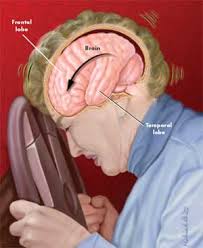
WFTV.COM in FLORIDA reports on Oct. 1, 2012 that Amantadine, the Flu drug, has been effective with improvement in recovery of cognitive skills amongst Traumatic Brain Injury (TBI) victims. TBI is a brain injury caused by a sudden trauma to the brain. This usually is caused by a sports or automobile accident but can occur from other sudden traumas to the head. Sometimes TBI can occur from a brain hemorrhage in which case surgery will be indicated. TBI can be light, moderate or severe in nature and the treatment will vary accordingly. Symptoms can include dizziness, headaches, memory problems, blurred vision, a strange taste in the mouth, vomiting, seizures, slurred speech and more. A loss of consciousness may or may not occur.
After stabilization when the proper amount of blood flow, oxygen and blood pressure control is established rehabilitation will have to occur to achieve normal functioning. This rehabilitation will consist of speech therapy, physical therapy, occupational therapy, and social stability.
Amantadine has now been used to treat those with consciousness disorders following a brain injury. In a recent test 184 patients who were vegetative or in a minimal conscious state were divided into two groups. One given the Amantadine and the other a placebo. The medication was continued for 4 weeks and then discontinued for 2 weeks. A marked improvement in recovery of cognitive skills occured amongst the amantadine group compared to the placebo. The drug must be actively used to speed recovery, though.
The rehabilitation therapy that is part of the recovery of TBI patients should include the most effective physical therapy solutions available. The TUTOR system of physical therapy products is one such set of devices that has proven itself in TBI physical rehabilitation.
The newly developed TUTORs consist of ergonomic wearable devices. The HANDTUTOR is a glove for hand therapy and the ARMTUTOR is an arm brace for elbow and shoulder rehabilitation. The LEGTUTOR is a leg brace for leg and hip issues. The system is indicated for patients who have suffered TBI, a stroke, SCI, CP, MS, Parkinson’s disease and other mobility restraining illnesses. It is used by occupational therapists and physiotherapists in rehabilitation centers, private clinics and the home where it can be supported by telerehabilitation. It is designed for those who have head, trunk, upper and lower extremity movement dysfunction.
The accompanying software system consists of motivating and challenging games that allow the patient to practice isolated and/or interjoint coordination exercises. The dedicated rehabilitation software allows the physical and occupational therapist to fully customize the exercises to the patient’s movement ability. In addition, the OT and PT can make objective follow up and reports on their patient’s progress. Rehabilitation aims to optimizes the patient’s motor, sensory and cognitive performance and allows the patient to better perform everyday functional tasks to improve their quality of life. The TUTORS are certified by the FDA and CE See WWW.MEDITOUCH.CO.IL for more information.
Saturday, 29 September 2012
Is Telerehabilitation Effective?
To determine the usefulness of telerehabilitation David Hailey etal of the School of Information Systems and Technology, University of
Wollongong, Australia reviewed the evidence on the effectiveness of various telerehabilitation (TR) applications. The survey included reports on rehabilitation for any disability, except drug or alcohol addiction or mental health conditions. Considered were all kinds of telecommunications technology for TR. Both study performance and study design were considered . The results were judged on whether each TR application had been successful, whether the results were clinically significant, and whether it was necessary to gather further data to establish whether the application was suitable for routine use. There were 61 scientifically credible studies that reported patient outcomes. Administrative changes were identified through computerized literature searches on 5 databases. Twelve clinical categories were included in the studies. The ones dealing with neurological or cardiac rehabilitation were in the majority. Thirty-one of the studies (51%) were of good or high quality. The study results showed that 71% of the TR applications were successful, 18% were unsuccessful and 11% were unclear as to their status. The outcomes for 51% of the applications seemed to be clinically significant. The poorer-quality studies tended to have outcomes that were worse than those from high- or good-quality studies. The surveyors judged that further study was required for 62% of the TR applications and preferable for 23%. Their conclusion was that TR shows promise in many fields, but evidence of benefit and impact on routine rehabilitation programs is still somewhat limited. There is still a need for more detailed, better-quality studies and for studies on the use of TR in general routine care.
One of the areas of success in telerehabilitation is in the use of the TUTOR system. The HANDTUTOR, ARMTUTOR, LEGTUTOR and 3DTUTOR are designed to give intensive rehabilitation exercises to those that have had a spinal cord/brain injury, stroke, Parkinson’s disease, MS, CP, Radial and Ulnar nerve injuries as well as other upper and lower limb surgeries or injuries. The TUTOR system uses sophisticated software that provides a customized exercise program for the individual patient. Many times the patient lives too far from a rehabilitation clinic or has improved to the point where he no longer needs to be seen in a regular clinic. In those cases the TUTORs have an excellent rehabilitation system in place for the therapist to instruct the patient remotely.
Currently in use in leading U.S. and European hospitals the TUTORs are fully certified by the FDA and CE.
See WWW.MEDITOUCH.CO.IL for further information.

Monday, 24 September 2012
Decisions, Decisions, Decisions
All the time we read about a famous athlete that sustains an injury and has to undergo surgery as a result of an injury or overuse of an arm , hand or leg. There is always a lingering doubt if that surgery will suspend or cancel the athlete’s playing season or even career.
Michelle G. Carlson, MD writes that when a hand surgeon, for example, treats a talented athlete, many questions come up. After the physician makes a diagnosis and decides on a treatment plan, that is often a challenge to any patient but here the questions first begin. When do you treat the patient? Is it possible for the athlete to return to play with that particular injury? Should the treatment wait until the season is concluded? If the decision is to treat immediately, how long a period of time will the athlete be out of play? Is this decision going to end the athlete’s season? or his career? Will being out for the season end his career? How do these questions affect the doctor’s decision? Physicians are expected to make choices where lost days of play can make tremendous differences in the career of collegiate, professional, or even high school athletes.
This is why the decisions made should include involving the most sophisticated and advanced methods of treatment so that the athlete has the best chance of returning as fast as possible to his profession. Since most, if not all, limb surgeries necessitate a period of physical therapy during recovery it is imperative for the medical professional to seek out the best physical therapy solution available. Currently that would be the recently created TUTOR system. The HANDTUTOR, ARMTUTOR, LEGTUTOR and 3DTUTOR are innovative physical therapy products that are speeding the improvement of limb repair in athletes and others who have undergone hand, arm, elbow, shoulder or leg surgery. The TUTORs are comfortable ergonomically designed gloves or braces which are strategically placed on the affected limb and with special sensors connected to dedicated software that detect motion. They provide an intensive exercise program through the use of special games geared to that particular patient . The physical or occupational therapist records and evaluates the patient’s performance and creates a customized program for that patient. In addition the TUTOR system aims to optimize the motor, sensory and cognitive performance of the user.
Currently in use in leading U.S. and European hospitals and clinics the TUTORs are fully certified by the FDA and CE and can be used at the patient’s home through telerehabilitation.
See WWW.MEDITOUCH.CO.IL for further information.

Thursday, 13 September 2012
Recovering From Spinal Cord Injuries
It is very common that spinal cord injury patients will have feelings of fright, confusion or anxiety .They may also have feelings of disbelief because they are still alive even though they have severe disabilities.
Actually rehabilitation consists of a multi pronged approach. It includes physical therapies, activities to rebuild skills and emotional and social support.
The rehab team of specialists will normally include a physiatrist, recreational therapist, social worker, physical and occupational therapists, nutritionists, nurses, psychologists, case workers to coordinate everything and others.
The first part of rehabilitation will consist of the physical aspect of getting the affected mobility returned. This may be accomplished only with the help of devices such as: wheelchairs, braces and walkers. To get the patient to communicate he will use normal typing, writing and phone devices.
Muscle strengthening is part of actual physical therapy whereas redeveloping fine motor skills is within the role of an occupational therapist. Basic toileting routines and self grooming are also taught at this stage.
If the patient shows the ability to cope, a vocational counselor (VC) will assess skills, dexterity, physical and cognitive capabilities to determine what might be available in terms of employment. The VC will also arrange for any assistive devices that may be needed in the workplace. If the patient will not be able to achieve gainful employment then the VC will find other places for the patient to spend his time in a productive manner. This could include hobbies, educational classes, getting involved in special interest groups, and participating in family and community events.
Finally there is recreational therapy which would get the patient to use their abilities to participate in athletic activities at their level. This latter aspect can help to achieve a more normal lifestyle and allow for some raised self esteem.
When deciding on the most appropriate form of physical therapy an effort should be made to utilize the most advanced form of physical therapy products. Such devices are now found in the form of the recently developed TUTOR system. Consisting of the HANDTUTOR, ARMTUTOR, LEGTUTOR and 3DTUTOR these devices are at the forefront of assisting spinal cord injury patients to recover lost movement ability skills. The TUTORs implement an impairment based rehabilitation program with augmented feedback and encourage motor learning. The system allows the therapist to evaluate and objectively quantify and record the patient’s motor and cognitive impairments and then customizes a treatment session for that patient.
Currently in use in leading U.S. and European hospitals and clinics the TUTORs are fully certified by the FDA and CE. They are usable by children as young as 5 as well as adults and can be used in the patient’s home through telerehabilitation.
See WWW.MEDITOUCH.CO.IL for further information.
Tuesday, 11 September 2012
Superman Foundation Supports Rehabilitation for SCI Patients
The Christopher and Dana Reeve Foundation (The actor who played Superman and his wife and who suffered from a
severe spinal cord injury as a result of falling from a horse) has provided support through its national network of activity-based rehabilitation centers for spinal cord injury for treatments in conjunction with research conducted by the University of Louisville, Kentucky.
It was announced on Sept. 5, 2012 that research studies from teams headed by a University of Louisville/Frazier Rehab Institute neuroscientist that innovative rehabilitation treatments for patients with spinal cord injuries (SCI) can lead to significant functional improvements and a higher quality of life.
Studies published in the September issue of “Archives of Physical Medicine and Rehabilitation” show that creating a network of rehab centers for SCI that standardizes treatment can bring significant functional improvements for chronically injured patients. Another study published in the September issue of ”Journal of Neurological Physical Therapy” showed that expenses associated with home renovations, equipment, and transportation actually decreased by almost 25 percent for patients with motor incomplete SCI due to the function gained following intensive locomotor training intervention. The findings suggest that a shift in both protocol and policy is necessary to standardize rehabilitation across multiple centers.
The Neuro Rehabilitation Network (NRN) was established by the Reeves Foundation and is funded by the U.S. Centers for Disease Control and Prevention (CDC).
Locomotor training is an intensive, activity-based intervention therapy that attempts to re-train the nervous system by simulating stepping and walking for those with spinal cord injuries.
“These results support the concept that there exists an intrinsic capacity of the human spinal cord circuitry that responds to task-specific sensory cues that can result in recovery in walking,” said NRN director Harkema. Understanding the capacity for recovery and standardizing locomotor protocols are very important in finding out what the outcomes of future studies will be for SCI patients.
Even if the patient has been injured for a length of time locomotor training is beneficial. There is now evidence that standardized rehabilitation can result in positive patient recovery according to the vice president of research of the Reeves Foundation, Susan Howley. She adds that the studies show that rehabilitation is definately part of the repair process.
Locomotor training is used for people not only with brain and spinal cord injury but also stroke and other neurological disorders. Many SCI patients using locomotor training in German, Canadian, Swiss and American clinics have improved their ability to walk.
Locomotor training consists of A- step training using body weight support on a treadmill (BWST) and manual assistance; B-over-ground walking training; and C-community ambulation training. Information from the legs and trunk while walking is constantly sent to the spinal cord using BWST. The therapist makes sure that the patient is optimizing standing and walking. As the patient improves, the assistance of the therapist is reduced.
In line with the rehabilitation protocol mentioned above for SCI patients it should be noted that the most effective physical therapy solutions will be those that allow for an intensive exercise program. Such products can be found in the TUTOR system.
The TUTORs have shown much success in rehabilitation of joint movement. The recently developed TUTORs consist of ergonomic wearable devices. The HANDTUTOR is a glove for hand therapy and the ARMTUTOR is an arm brace for elbow and shoulder rehabilitation. The LEGTUTOR is a leg brace for leg and hip. The system is indicated for patients who have suffered TBI, a stroke, SCI, CP, MS, Parkinson’s disease and other mobility restraining illnesses. It is used by occupational therapists and physiotherapists in rehabilitation centers, private clinics and in the home where it can be supported by telerehabilitation. It is designed for those who have head, trunk, upper and lower extremity movement dysfunction.
The accompanying software system consists of motivating and challenging games that encourage the patient to practice isolated and/or interjoint coordination exercises. The dedicated rehabilitation software allows the physical and occupational therapist to fully customize the exercises to the patient’s movement ability. In addition, the OT and PT can make objective reports on their patient’s progress. Rehabilitation aims to optimize the patient’s motor, sensory and cognitive performance and allows the patient to better perform everyday functional tasks to improve their quality of life. The TUTORS are certified by the FDA and CE.
See WWW.MEDITOUCH.CO.IL for more information.

Monday, 3 September 2012
Exercising for the Heart
Cardiovascular disease around the world is one of great concerns to patients and health providers alike. Cardiac rehabilitation aims to return patients with heart disease to health by exercise-only based rehabilitation or comprehensive cardiac rehabilitation.
The Objective of a study on the subject was to determine the effectiveness of exercise-only or exercise as part of a comprehensive cardiac rehabilitation programme on the mortality, morbidity, modifiable cardiac risk factors and health-related quality of life (HRQoL) of patients with coronary heart disease.
Electronic databases were searched for randomized trials, using standardised trial filters, for a period of about 10 years.
The subject of the trial were men and women of all ages, whether in hospital or in community settings, who had coronary artery bypass graft, myocardial infarction, or percutaneous coronary angioplasty, or who had angina pectoris or coronary artery disease.
The studies were selected independently by two reviewers, and data was collected independently. 8440 patient results were analyzed.
The results showed that exercise-based cardiac rehabilitation is effective in reducing cardiac deaths. It is not clear from this review whether exercise-only or a comprehensive cardiac rehabilitation intervention is more beneficial. More research will have to be done to determine that.The population studied in this review was still predominantly low risk, male and middle aged. Identification of the ethnic origin of the participants was seldom reported. (It is possible that patients who would have benefited most from the intervention were not included in the trials on the grounds of age, sex or co-morbidity).
In plain lamguage it was found that regular exercise or, alternatively, exercise with education and psychological support can lower the likelihood of dying from heart disease.
Coronary heart disease (CHD) is one of the most common forms of heart disease. The heart is affected by restricting or blocking the flow of blood around it. This in turn can lead to a feeling of tightness in the chest (angina) or a heart attack. Cardiac rehabilitation tries to restore people with CHD to health through regular exercise or a combination of exercise together with education and psychological support. The findings of this review show that either form of cardiac rehabilitation can reduce the likelihood of death from heart disease.
One of the current tested methods of exercise is the TUTOR system. The HANDTUTOR, ARMTUTOR, LEGTUTOR and 3DTUTOR have been devised to offer the patient intensive exercises for a variety of ailments. The TUTOR physical therapy products are ergonomically designed gloves and braces that include sensors connected to exclusive, motivating and challenging games. This allows the patient to practice isolated and/or interjoint coordination exercises. The physical therapist then records and evaluates these movements and designs an exclusive exercise program for the patient. The TUTORs are currently in use in leading U.S. and European rehabilitation hospitals and clinics and are also available for home use through telerehabilitation. The TUTORs are usable by adults and children and are fully certified by the FDA and CE. See WWW.MEDITOUCH.CO.IL for further information.

Friday, 31 August 2012
Ballet: An Art Form or Cause for Rehabilitation
Most of us don’t associate the art of Ballet dance with injury and rehabilitation however ballet is a source of both. There are many causes for such injuries. There may be environmental factors such as faulty dance surfaces. There may be inappropriately fitting footwear leading to foot conditions. There may be spinal cord issues which can be the cause FOR injury as well as a result OF an injury. An incorrect ”turnout” ( the ability of the dancer to turn his or her feet and legs out from the hip joints to a 90-degree position) on the part of the dancer may cause an injury. There may be an inbalance of soft tissue or inadequate quadricep strength. The beautiful but potentially harmful ballet steps of ”plies”-which is a smooth continuous bending of the knees; ”pointe” where the dancer performs steps while on the tips of the toes using a special block shoe and ”demipointe” can all cause serious injury or worse.
Both male and female ballet dancers are susceptible to these injuries so when they occur the very best physical therapy solutions need to be at hand during their rehabilitation. Physical and occupational therapists have been using the TUTOR system to rehabilitate injured limbs of patients suffering from strokes, brain/spinal cord and upper and lower limb surgeries, Parkinson’s disease, Cerebral Palsy, Multiple Sclerosis and many other limb disabling medical conditions. It is only natural that the HANDTUTOR, LEGTUTOR and ARMTUTOR would be used in the treatment of ballet injuries as well.
The TUTORs are comfortable, ergonomically designed gloves and braces that are strategically placed on the affected part of the body and with sensors attached to dedicated software the patient is subjected to intensive exercises. The therapists evaluate the results and then design a personalized exercise program for that patient. These physical therapy products are currently in use in leading rehabilitation hospitals in the U.S. and Europe. The TUTOR system is fully certified by the FDA and CE and can be used by children as young as 5 as well as adults. Telerehabilitation allows the patient to use the TUTORs in his own home.
See WWW.MEDITOUCH.CO.IL for further information.


Wednesday, 29 August 2012
Making the Case for Continuous Physical Rehabilitation for Parkinson’s Disease Patients
In a controlled clinical trial conducted by Comelia L. Cynthia , MD, Glenn T. Stebbins, PhD, Nancy Brown-Toms, BA and
Christopher G. Goetz, MD of the Department of Neurological Sciences, Rush-Presbyterian-St. Luke’s Medical Center, Chicago, IL. an evaluation was made of the effects of physical disability in moderately advanced Parkinson’s patients following 4 weeks of normal physical activity and 4 weeks of a more intensive physical rehabilitation program. They used a timed motor task and a standard assessment of PD severity (the Unified Parkinson’s Disease Rating Scale [UPDRS] with subscales for mentation, activities of daily living [ADL], and motor function. The test was conducted by an investigator who did not know about the physical rehabilitation status of the patient.
Following physical rehabilitation, there was significant improvement in the UPDRS ADL and motor scores, but no change in mentation score. During the 6 months following physical rehabilitation, patients did not regularly exercise, and the UPDRS scores returned to their baseline. The conclusion the researchers reached was that physical disability in moderately advanced PD improves with a regular physical rehabilitation program, but the improvement is not sustained when normal activity is resumed.
Parkinson’s disease patients have a physical therapy solution that has shown to be very effective in restoring movement ability to disabled limbs due to the disease. The HANDTUTOR, ARMTUTOR, LEGTUTOR and 3 DTUTOR are physical therapy products that are currently being utilized in leading U.S. and European hospitals and rehabilitation clinics. The TUTORs are gloves and braces that are strategically placed on affected hands, arms, elbows, legs and other joints. The sensors in these devices pick up the patient’s movements through dedicated software. Physical therapists monitor, evaluate and design these movements into a customized program for that specific patient.
Fully certified by the FDA and CE the cost effective TUTORs are available for children as young as 5 and in the patient’s home through the use of telerehabilitation. See WWW.MEDITOUCH.CO.IL for further information.

Tuesday, 28 August 2012
Should a Patient Undergo Rehabilitation After Stroke?
Henrik S. Jørgensen, MD etal of the Department of Radiology, Bispebjerg Hospital, Copenhagen, Denmark cocnducted a study to determine the value of post stroke rehabilitation.
The objective of the study was to evaluate the outcome of stroke divided according to both the severity of the initial stroke and the initial level of disability.
The study took place in a stroke unit of a hospital in Denmark that receives all acute stroke patients admitted from a large catchment area of approximately 240,000 inhabitants within the City of Copenhagen. Under normal circumstances acute treatment as well as rehabilitation is cared for within the stroke unit regardless of age, severity of the stroke and premorbid condition. In this study 1197 patients with acute stroke were used.
The Main Outcome Measures were: Primary outcome was measured as death, discharge to a nursing home, or to the patient’s own home. Secondary outcome was measured as the patient having neurological deficits and/or functional disabilities after rehabilitation was completed and then again 6 months after the stroke occurred. The indices used were the Scandinavian Neurological Stroke Scale and Barthel . The results were as follows: Stroke was initially very severe in 19% of the patients, severe in 14%, moderate in 26%, and mild in 41% of the patients. Two hundred and fifty or 21% of the patients died during their hospital stay, 177 or 15% were discharged to a nursing home, and 770 or 64% of the patients were discharged to their home. After rehabilitation was completed 11% of the survivors still had severe or very severe neurological deficits, 11% had moderate deficits, and 78% had no or only mild deficits; 20% were severely or very severely disabled, 8% were moderately disabled, 26% were mildly disabled, and 46% had no disability in normal daily activities. The conclusions reached were that there is a great need for stroke rehabilitation in the community and the amount of postrehabilitation disability in stroke survivors cannot be exaggerated. Results, though, should not be used as a guideline for selecting patients for rehabilitation in the acute phase as even the most severe cases experience meaningful improvement during rehabilitation.
The question then becomes what is the most effective physical therapy solution that can speed recovery of the affected stroke victim’s limbs. Other than robotic machines which are large and therefore usable only in rehabilitation facilities and hospitals or are cost prohibitive the physical therapy profession has come to know of the effectiveness of the TUTOR system. Consisting of the HANDTUTOR, ARMTUTOR, LEGTUTOR and 3DTUTOR these recently created products are in the forefront of stroke rehabilitation.
These innovative devices implement an impairment based program with augmented motion feedback that encourages motor learning through intensive active exercises and movement practice. The HANDTUTOR, ARMTUTOR, LEGTUTOR and 3DTUTOR consist of wearable glove and braces that detect limb movement showing the patient how much active or assisted active movement they are actually doing. The rehabilitation software uses special rehabilitation games to set a new target for this movement in terms of the patient’s ability to move his limb. The devices then measure the limb movement and give him feedback on his success. In this way the Tutor system provides exercises that are challenging and motivating and allow for repetitive and intensive exercise practice. The TUTOR system is now part of the rehabilitation program of leading U.S. German, Italian, French, UK and other foreign hospitals and can be used at home through telerehabilitation. The TUTORs are fully certified by the FDA and CE. See WWW.MEDITOUCH.CO.IL for more information.

Sunday, 26 August 2012
aintaining Strength for Parkinson’s Patients
In an article published in the British Medical Journal, August 23,2012 C.L. Tomlinson et al state that Physiotherapy has only short term benefits in Parkinson’s disease. He further states that there is a wide range of physiotherapy techniques currently in use to treat Parkinson’s disease and that there is little difference in treatment effects. He suggests that there be large, well designed, randomised controlled trials including improved methodology and reporting that are needed to assess the efficacy and cost effectiveness of physiotherapy for the treatment of Parkinson’s disease in the longer term.
The methods used to come to this conclusion were:
A systematic review and analysis of randomised controlled trials.
Literature databases, trial registries, books, and conference proceedings, journals, and reference lists, searched up to January 31, 2012.
Randomised controlled trials that compared physiotherapy with no intervention at all in patients with Parkinson’s disease were used.
Two authors independently collected data from each trial.
Tests for heterogeneity were used.
Outcome measures were gait, falls, functional mobility and balance, clinician rated disability measures, patient rated quality of life, adverse events, compliance, and impairment and economic analysis outcomes.
The results were:
that indirect comparisons of the different physiotherapy interventions found no evidence that the treatment effect was diferent across the interventions for any outcomes assessed, apart from motor subscores on the unified Parkinson’s disease rating scale (in which one trial was found to be the cause of the heterogeneity).
Apparently C.L. Tomlinson isn’t aware of the TUTOR system. These physical therapy products, although not a cure for Parkinson’s, have shown that they can maintain the strength of the patient thereby giving him a longer period of mobility.
The HANDTUTOR, ARMTUTOR, LEGTUTOR and 3DTUTOR have become a key system in neuromuscular rehabilitation for stroke victims and those recovering from brain and spinal injuries, Parkinson’s, MS, CP and other limb movement limitations. These innovative devices implement an impairment based program with augmented motion feedback that encourages motor learning through intensive active exercises and movement practice. The HANDTUTOR, ARMTUTOR, LEGTUTOR, 3DTUTOR consist of wearable gloves and braces that detect limb movement showing the patient how much active or assisted active movement they are actually doing. The rehabilitation software uses special rehabilitation games to set a new target for this movement in terms of the patient’s ability to move their limb. The devices then measure the limb movement and give feedback on the success of the patient in trying to gain this new movement objective. In this way the TUTOR system provides exercises that are challenging and motivating and allow for repetitive and intensive exercise practice. The TUTOR system physical therapy solution is now part of the rehabilitation program of leading U.S. German, Italian, French, UK and other foreign hospitals. As one of the most cost effective PT products on the market the TUTORs can also be used in the patient’s home throughtelerehabilitation. See www.MEDITOUCH.CO.IL for more information.

Tuesday, 14 August 2012
Concerns of the American Academy of Physical Medicine and Rehabilitation (AAPM&R) Vis A Vis ”Obamacare”
In 1998, a presidential commission on Consumer Protection issued a report where it defined, in its view, the purpose of a health care system. The report
stated:
“The purpose of the health care system must be to continuously reduce the impact
and burden of illness, injury, and disability, and to improve the health and
functioning of the people of the United States.”
People that have disabilities and chronic conditions depend on habilitative services
and devices. This is equivalent to the provision of antibiotics to a person who has an infection—both are
essential to medical intervention. Therefore, rehabilitative and habilitative services and devices are a
vital component of health care, especially for persons that have disabilities and chronic conditions.
These services and devices
• Speed recovery and allow discharge to one’s home sooner rather than later and
provide a higher level of function post injury or illness;
• Improve long-term health status and improve the likelihood of living independently;
• Reduce the likelihood of relapse or returning to the hospital;
• Slow or completely stop the progression of primary and secondary disabilities as they maintain functioning
and prevent further deterioration;
and
• Facilitate a return to work under appropriate circumstances.
For example, rehabilitative services and devices:
• Enable persons with spinal cord injuries to recover and regain functions through intensive
rehabilitation services ;
• Enable people who were born with congenital conditions or developmental disabilities to learn
skills and the ability to function through various therapies and assistive devices;
• Enable people with traumatic brain or spine injury to improve cognition and functioning by using
appropriate therapies and assistive devices.
It is evident from literature and personal evidence that when people withdisabilities and chronic conditions have access to treatments, including rehabilitative and habilitative
services and devices, their healthand quality of life are substantially improved. Both patients and insurers, as well the taxpayer,save many dollars of future health care costs.
The Brain Injury Association of America claims that the results of inadequate rehabilitative and habilitative services and devices for individuals with disabilities and chronic conditions to society are well known. It can result in elevated levels of medical complications, permanent disability, job loss, family dysfunction, homelessness, medical indigence, suicide and even involvement with the criminal justice system.
Inadequate treatment can also lead to lost productivity and greater utilization of public income programs and plans (such as SSI and SSDI, Medicare and Medicaid) and long-term care.
Health benefits should enable individuals to be functional, healthy and live as independently as possible. Rehabilitation services and devices should lessen the deterioration of a person’s financial status.
The AAPM&R organization is concerned that the new medical care act (Obamacare) will provide for all of the above services. One of the most efficient and cost effective recently developed physical therapy products is the TUTOR system. This is a system that will reduce the impact and burden of illness and disability. It has all the qualities of a rehabilitation program that is needed to assist patients in regaining their mobility after a stroke, brain or spinal cord injury, MS, CP, Parkinson’s disease and other upper or lower limb disabilities. The TUTOR system consists of motivating and challenging games that allow the patient to practice isolated and/or interjoint coordination exercises. Controlled exercise practice will help to prevent the development of compensatory movement patterns. The physical therapist objectively and quantitatively evaluates the treatment progress and designs a cuistomized program for the patient.
Fully certified by the FDA and CE the TUTORs (HANDTUTOR, ARMTUTOR, LEGTUTOR and 3 DTUTOR) are available for use by children as well as adults and at the patient’s home through telerehabilitation. See WWW.MEDITOUCH.CO.IL for more information.

Sunday, 12 August 2012
New Stroke Rehabilitation Device May Join Others Already In Use
Victoria University, New Zealand, masters student in engineering, Abigail Rajendran, 23, designed a stroke rehabilitation device and is working to market it. Rajendran believes that stroke patients will be able to rehabilitate themselves from home with the new device.
With the device strapped on to a patient’s hand the goal is to exercise it in an opening and closing motion. A connected computer game activates at the same time and keeps both sides of the brain working.
Once the patient regains the strength and can do the motion himself, he can increase the resistance with a special liquid contained in the device.
Rajendran says that until now, stroke patients had to rely on expensive and large rehabilitation equipment only found in hospitals. However this device could be used regularly at home.
Funding for a prototype has been provided by the Science and Innovation Ministry.
Few, if any, home rehabilitation instruments are available for people recovering from strokes and new technology has to be made available according to Chief executive Sunil Vather.
Apparently New Zealand stroke patients get only a few hours of therapy if they’re lucky and this device may afford them many more hours.
Miss Rajendran will present her idea in Singapore later this month, and in Brisbane in October. The device may be ready for use in about a year.
Apparently unknown to Miss Rajendran and her associates such physical therapy solutions already exist and are being used successfully in many leading U.S. and European and other hospitals and clinics. The physical therapy products known as the HANDTUTOR, ARMTUTOR, LEGTUTOR and 3DTUTOR have been devised to allow intensive exercises to stroke victims as well as those afflicted with disabling Parkinson’s, MS, CP, brain/spinal cord injuries and other upper and lower limb paresis.
The TUTORs are comfortable ergonomically designed gloves and braces that are attached to the affected areas of the body and then connected to a computer that has dedicated software in the form of games. These games are played with the active initiation of the patient himself and the results are recorded and evaluated by physical therapists who then design a specific exercise program for that patient.
Since many patients have improved to the point where they no longer need hospitalization they and others who live too far from a rehabilitation clinic can avail themselves of the TUTORs at home through the use of telerehabilitation. In addition the TUTOR system is one of the most cost effective physical therapy products on the market today and they are small in relation to hospital based large equipment.
The TUTORs are fully certified by the FDA and CE. See WWW.MEDITOUCH.CO.IL for more information.

Tuesday, 30 August 2011
Handtutor System Aids Rehabilitation Patients with Games
Inside the physical therapy center at Banner Good Samaritan Hospital rehab patients are using unique methods for recovery.
For rehabilitation the patients are turning to video games to do their exercises and work through the pain.
“We’re actually putting them in situations where they can practice actual movements that they need to do and get that feedback they need for success,” says Therapy Services Director Kellie Johnson. “Wii-bowling by far is a favorite.”
The practice seems to be working for many patients who may have had a stroke, brain injury, spinal cord injury or that were involved in a car accident.
It’s constantly growing and now even has its own name.
“Even in rehab it’s known as wii-rehabilitation, it’s so widely used in rehab now,” says Banner Good Sam’s physical therapist Suzanne Dilly. “We have started with a new Microsoft Kinect, which is more whole body movements than just using a censor in your hand.”
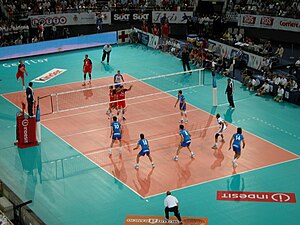
The HandTutor and its sisters (ArmTutor, LegTutor, 3DTutor) compliments and adds significantly to the ‘wii rehabilitation” used currently in Banner Rehabilitation Hospital. The games used in the TuTor system include “Snowball”, an automobile race, “Asteroid Attack”, Volley Ball“, “Sky defender” and several others. These games offer challenging exercises to the patient with sensory and cognitive impairments through intensive active training. They are not only fun but also provide a thorough documentation of patient performance that allows the therapist to customize the most suitable program that fits the patient’s ability.
The devices are currently being used in leading U.S. and foreign hospitals as well as in physical therapy clinics and even in the patient’s home with tele rehabilitation.
Wednesday, 30 March 2011
Rehabilitation using the HandTutor, ArmTutor and 3DTutor prevents compensatory trunk torsion during reaching functional tasks

In the March edition of Brain Research http://bit.ly/eMERcK Dr Johanna V.G. Robertsonlow and Agnès Roby-Bramia from Laboratoire de Neurophysique et Physiologie, Université Paris Descartes, CNRSParis, France and the Department of Physical Medicine and Rehabilitation, Raymond Poincaré Hospital, Garches studied trunk torsion degrees of freedom during reaching movements in healthy subjects and hemiparetic patients. The 3D trunk motion participates in reaching within arm's length in healthy subjects however trunk flexion is increased in stroke patients during reaching movements and the additional degrees of trunk torsion freedom participates in the compensatory strategy in hemiparetic patients.
Rehabilitation using the HandTutor and ArmTutor system incorporates the 3DTutor. Secondary feedback from the 3DTutor is displayed during active reaching movements of the arm. In this way the patient is given augmented feedback on the position and movement of their trunk during the function and is given real time movement guidance on how to reposition the trunk during the functional movement and avoid learning a compensatory movement pattern.
Subscribe to:
Posts (Atom)