Showing posts with label Surgery. Show all posts
Showing posts with label Surgery. Show all posts
Sunday, 24 June 2012
Diabetes Drug for Brain Injury Discovery
On June 24, 2012 it was reported that a new diabetes drug-called Exendin-4 which has been approved by the FDA significantly minimizes damage in Traumatic Brain Injury (TBI) in laboratory animals. The project was commissioned by the U.S. Air Force. The principal researchers are Prof. Chaim Pick of Tel Aviv University’s Sackler Faculty of Medicine and Dr. Niguel Greig of the U. S. National Institute of Aging.
Although the death toll in people who suffer from TBI is relatively low, it can have severe, lifelong consequences for brain function. As a result of TBI a patient can have impaired mental abilities and dramatic personality changes. This aside from the high financial cost of treatment.
Originally Exendin-4 was designed to control sugar levels in the body but it has shown to be effective in alleviating symptoms of Alzheimer’s disease and it was found that if administered shortly after the original incident it can minmize damage in TBI. Together with collaborators, Dr. Vardit Rubovitch, Lital Rachmany-Raber and Prof. Shaul Schreiber and Dr. David Tweedie of the U.S. Institute the study and results have been published in the journal Experimental Neurology.
The research has been going on for several years and consisted of the effects of injuries when hitting the windshield in a car accident as well as work for the U.S. military in relation to trauma sustained when someone is exposed to an explosion or terrorist attack. In the experiments it was shown that mice that were exposed to blasts but that received Exendin-4 had significant reduction of brain damage caused by the explosion. An improved outcome was also associated when the mice sustained TBI by blunt force if given the drug . The plan now is to find the right dosage and delivery system and to find other drugs to complement Exendin-4 to increase its efficiency.
TBI can have debilitating effects on limb movement and when that occurs the best physical therapy solutions are needed to provide exercises for the patient. The most cost effective physical therapy poducts are incorporated into the TUTOR system. The HANDTUTOR, ARMTUTOR, LEGTUTOR and 3DTUTOR are comfortable ergonomically designed gloves and braces that are placed on strategic locations of the body. They have position and speed sensors that precisely record finger and wrist movement. Rehabilitation games allow the patient to exercise range of motion, speed and accuracy of movement including opposition and pinch movement practice. The software gives the physical therapist objective and quantitative information which then allows an exclusive exercise treatment plan to be designed.
The HANDTUTOR, ARMTUTOR, LEGTUTOR and 3DTUTOR are also used by patients that have impaired limb mobility due to stroke, Parkinson’s, CP,MS, spinal cord injury and other upper and lower surgeries. Currently in use in leading U.S. and European hospitals and clinics the TUTOR system is FDA and CE certified and is available for children as well as adults. The patient is also able to use the TUTORs from home, if necessary, through the use of telerehabilitation. See WWW.MEDITOUCH.CO.IL for more information.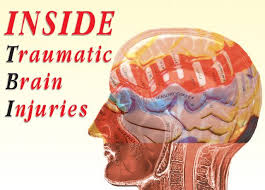


Thursday, 21 June 2012
A ”Pacemaker” for Parkinson’s Patients
In line with the international effort to combat symptoms of Parkinson’s disease, it was announced on June 20, 2012 that Professor Hagai Bergman of Jerusalem’s Hebrew University’s neurobiology department had been able to surgically implant a battery operated neurostimulator, similar to a heart pacemaker, to deliver electrical stimulation to specific parts of the brain that control movement. This tiny device blocks the abnormal nerve signals that cause the severe shaking and other symptoms that Parkinson’s patients experience. About 0.4% of the Israeli Parkinson’s population had already received the new device but there was further adjustment necessary.
For Parkinson’s patients that are not acceptable for this procedure and for those that are still waiting for the special surgery other methods are needed to counter the debilitating movements that are prevalent with this disease. When these latter patients are in need of physical therapy solutions the TUTOR system comes in handy. The TUTORs, which consist of the HANDTUTOR, ARMTUTOR, LEGTUTOR and 3DTUTOR, are comfortable ergonomic gloves and braces placed on various limbs of the body and are connected to a computer with dedicated software that allows the patient to get intensive exercises. These exercises are in the form of challenging games that allow the patient to practice isolated and/or interjoint coordination exercises. Controlled exercise practice will help to prevent the development of compensatory movement patterns. The dedicated software allows the therapist to fully customize the exercises to the patient’s movement ability. In addition the the therapist can objectively and quantitatively evaluate and report on treatment progress. The rehabilitation system optimizes the patient’s motor, sensory and cognitive performance and allows the patient to better perform everyday functional tasks to improve their quality of life.
The TUTORs are currently used in leading U.S. and European hospitals and clinics to treat patients that have Parkinson’s disease as well as CP, MS, stroke, brain and spinal cord injury and other upper and lower limb disabilities.
The TUTORs are one of the most cost effective physical therapy tools on the market and are fully certified by the FDA and CE. They are available for adults as well as children and can be used at home via telerehabilitation. See WWW.MEDITOUCH.CO.IL for more information.
Wednesday, 20 June 2012
Rehabilitation: What Does it Actually Mean?
Rehabilitation can mean many things to many people. A building that is old and rundown needs to be rehabilitated, a criminal during his imprisonment is hopefully rehabilitated so he can return productively to society, a person accused of some scandal needs to be rehabilitated back into the good graces of the society he came from. Rehabilitation , obviously, also means physical rehabilitation after a severe injury or disease. In the latter situation it isn’t enough for the patient to be hospitalized for a period of time and then return home. There is a very complicated process performed by very highly trained individuals that work as a team to assure that the patient is able to function as close to his normal ability as possible.
Traumatic spinal cord injury (SCI) is perhaps one of the most devastating orthopedic injuries and the primary goals of rehabilitation are: a) prevention of secondary complications, b)maximization of physical functioning, and c)reintegration into the community.
SCI rehabilitation is most effective with a multidisciplinary, team-based approach, as follows:
Physical therapists typically focus on lower extremity function and with mobility functions.
Occupational therapists are involved with upper extremity dysfunction and difficulties in activities of daily living
Rehabilitation nurses are concerned with issues of bowel and bladder dysfunction and managing pressure ulcers
Psychologists deal with emotional and behavioral concerns of the injured patient and with any potential cognitive dysfunction
Speech-language pathologists focus on issues of communication and swallowing
Case managers and social workers are the primary coordinators between the rehabilitation team, the patient and family, and the financial source.
A physiatrist manages the whole team. He is a physician who specializes in physical medicine and rehabilitation. While each team member has primary responsibilities, any other member of the team can contribute to the resolution of any problem.
When it comes to choosing the most appropriate physical therapy tools the team would hopefully consider the most cost effective and efficient devices on the market. Such a tool would be the TUTOR system. The HANDTUTOR, ARMTUTOR, LEGTUTOR and 3DTUTOR are used extensively in Spinal Cord Injury rehabilitation.
The TUTOR system consists of ergonomic wearable devices together with powerful dedicated rehabilitation software. The system is indicated for patients in rehabilitation centers, private clinics and the home where it can be supported by telerehabilitation. It is designed for those who have head, trunk, upper and lower extremity movement dysfunction.
The system consists of motivating and challenging games that allow the patient to practice isolated and/or interjoint coordination exercises. Controlled exercise practice helps to prevent the development of compensatory movement patterns. The dedicated software allows the therapist to fully customize the exercises to the patient’s movement ability. In addition the therapist can objectively and quantitatively evaluate and report on the treatment progress. The rehabilitation system optimizes the patient’s motor, sensory and cognitive performance and allows the patient to better perform everyday functional tasks to improve their quality of life. The TUTOR system is FDA and CE certified and can be adapted to children as well as adults. See WWW.MEDITOUCH.CO.IL for more information.
Tuesday, 19 June 2012
The Effects of Traumatic Brain Injury on Fatigue and Sleepiness
Simon Beaulieu-Bonneau and Charles M. Morin of the École de psychologie, Université Laval, Pavillon Félix-Antoine Savard 2325, rue des Bibliothèques, Québec, Canada conducted a study comparing individuals who suffered from a traumatic brain injury (TBI) to healthy controls (CTLs) measuring sleepiness,fatigue, and sleep and exploring the relationship between each group.
There were 22 adults with moderate to severe TBI and 22 matched healthy CTLs. They underwent one night of polysomnographic (PSG) recording of their sleep followed the next day by the Maintenance of Wakefulness Test (MWT). They also completed a 14-day sleep diary, the Epworth Sleepiness Scale (ESS), the Functional Outcomes of Sleep Questionnaire (FOSQ), and the Multidimensional Fatigue Inventory (MFI).
The results showed that there were no significant group differences on measures of subjective or objective sleepiness, both groups being quite alert. However, TBI participants reported greater consequences of sleepiness on their general productivity, spent more time in their bed at night, and napped more often and for longer periods of time during the day. Subjective fatigue was significantly higher in TBI participants on the general, physical, and mental fatigue MFI subscales. There were no between-group differences on any sleep parameters derived either from PSG or sleep diary.
The conclusions they reached were that fatigue appeared to be a more prominent symptom than sleepiness when it was assessed between 1 and 11 years after TBI. Patients that participated who suffered from TBI used compensatory strategies such as increasing time spent in bed and napping during the day in this sample.
When TBI causes immobility of a limb the appropriate physical therapy solution should be found. For example the TUTOR system of physical therapy products know as the: HANDTUTOR, ARMTUTOR, LEGTUTOR and 3DTUTOR are used extensively to accomplish the proper exercise program.
Physical rehabilitation is being done in the USA at major rehabiliaiton in-patient and out-patient clinics as well as at private physical therapy clinics. Many patients who have had a TBI or stroke, cerebral palsy or spinal cord injury can also avail themselves of the TUTOR system through the use of tele rehabilitation. These physical therapy products have been developed to allow for functional rehabilitation of the whole body including the upper and lower extremity. The system consists of ergonomic wearable devices and dedicated rehabilitation software that provides patient instructions and feedback to encourage intensive and controlled exercise practice. In this way, the TUTOR system allows for exercise of multijoints within the normal movement pattern which prevents the development of undesired and compensatory joint movement and therefore ensures better performance of functional tasks. This is important in stroke, brain, spinal cord (SCI) and Cerebral palsy rehabilitation in addition to other neurological and orthopedic injury and disease.
Additional features of the TUTOR system include quantitative evaluation and objective follow up that is important in the physiotherapists treatment of the exercises.
For additional information see WWW.MEDITOUCH.CO.IL
Monday, 18 June 2012
Exercise Improves Balance
Bilge Kara and Arzu Genc of Dokuz Eylul University, School of Physical Therapy, Izmir, Turkey and Beril Donmez Colakoglu and Raif Cakmur of the Neurology Department of Faculty of Medicine, Dokuz Eylul University, Izmir, Turkey conducted a study to examine what the effects were of supervised exercises on measures of static and dynamic balance of Parkinson’s disease (PD) patients.
The study used a before/after design. Seventeen PD patients with mild and moderate levels of disability were included in the study. Under a physiotherapist’s supervision patients followed an exercise program once a week for 12 weeks. The standard Balance Master protocol was used before and after exercise to assess changes in static and dynamic balance.
The results showed that there was a statistically significant difference in the unilateral balance test, one of the static balance assessments performed while standing on the right or left leg with closed eyes. With respect to dynamic balance, a statistically significant difference in the maximum excursion of limits of stability (LOS), one of the balance tests used in the exercise programs for patients with Parkinson’s disease, between measurements taken both before and after exercises was also detected.
The conclusions drawn were that the change of LOS revealed that dynamic balance improved due to the exercises. Therefore, the supervised exercise program showed improvement in the dynamic balance of PD patients.
One of the most comprehensive exercise programs available today for PD patients is the one using the TUTOR system as a physical therapy solution.
The HANDTUTOR, ARMTUTOR, LEGTUTOR and 3DTUTOR are being used both inpatient, outpatient and in the home care environment to encourage intensive repetitive exercise practice in a controlled and motivating format. The TUTORs are used in both early intervention by both physical and occupational therapists. In addition the TUTOR system is used to continue to keep the patient motivated and to do exercise practice during the later stages of rehabilitation and to keep the gains that have been achieved in movement and functional ability. The TUTORs are being used in exercise rehabilitation for Parkinson’s patients as well as those who have had a stroke, brain/spinal cord injury, CP, MS and a host of other upper and lower limb disabilities. The patient can start to do intensive repetitive exercises even if they have limited lower limb, shoulder, knee and ankle or upper limb arm and hand movement ability. When it comes to balance therapy the LEGTUTOR and/or 3DTUTOR are placed on either the impaired or non impaired leg while the patient stands and ”throws darts” in one of the many exclusively created games that the TUTOR system uses. This allows the patient to strengthen both legs while working on balance and cognition.
The TUTOR physical therapy products are currently in use in leading U.S. and European hospitals and clinics. They can be used by children as well as adults and at home through the use of telerehabilitation. They are certified by the FDA and CE. See WWW.MEDITOUCH.CO.IL for more information.
Sunday, 17 June 2012
The Dangers of Silent Stroke
While the public is generally aware of strokes and their after effects less is known about ”silent strokes”.
Normal symptoms of a stroke are usually obvious, like numbness or weakness on one side of the face, difficulty walking, trouble speaking and vision problems. Some strokes, though, pass completely without being noticed. But even these can have a significant and lasting effect on memory, according to the June 2012 issue of the Harvard Women’s Health Watch.
These so-called ”silent strokes” create points of dead cells in the brain. The damaged areas are smaller than with a traditional stroke. They often don’t affect areas of the brain that are associated with movement or speech.
During an ischemic stroke, a blood clot blocks a blood vessel that feeds part of the brain. If there is no steady supply of blood, cells in that area stop functioning and may die. The symptoms that appear reflect functions that were under the control of the affected part of the brain. The same occurs from a hemorrhagic stroke.
When someone has a silent stroke, the interruption in blood flow occurs in part of the brain that doesn’t control any vital functions. Even though it doesn’t cause any obvious symptoms—most people who have had a silent stroke aren’t aware that it occurred, though the damage is revealed on an MRI or CT scan.
Memory can be affected by silent strokes, especially if several of them occur over time (which happens a lot). The damage from silent strokes can accumulate, which leads to more and more memory problems.
What can women do when faced with a stroke that has no symptoms, and that are only found on an MRI or CT scan? “I think that it should make people aware that it’s imperative to manage risk factors,” says Karen Furie, associate professor at Harvard Medical School and director of the Massachusetts General Hospital Stroke Service. This means:
–not smoking
–controlling blood pressure and diabetes
–aiming for a healthy weight
–keeping cholesterol levels in check
–managing atrial fibrillation
When someone experiences memory loss it should not be dismissed it as a normal part of aging. The doctor should be consulted for testing to make sure their isn’t a silent stroke.
The public should also be aware of the solutions available when a major stroke occurs and when physical therapy is needed to rehabilitate affected limbs.
The newly developed HANDTUTOR and its sister devices (ARMTUTOR, LEGTUTOR, 3DTUTOR) have become a key system in neuromuscular rehabilitation for stroke victims and those recovering from brain and spinal injuries,Parkinson’s, MS, CP and other limb movement limitations. These physical therapy products implement an impairment based program with augmented motion feedback that encourages motor learning through intensive active exercises and movement practice. The HANDTUTOR, ARMTUTOR, LEGTUTOR and 3DTUTOR consist of wearable glove and braces that detect limb movement showing the patient how much active or assisted active movement they are actually doing. The software uses special rehabilitation games to set a new target for this movement in terms of the patient’s ability to move their limb. The devices then measure the limb movement and give feedback to the patient. In this way the patient understands which effort is more successful. The TUTOR system provides exercises that are challenging and motivating and allow for repetitive and intensive exercise practice. The TUTOR system is now part of the rehabilitation program of leading U.S. German, Italian, French, UK and other foreign hospitals. IThey are also available throughthe use of telerehabilitation.See WWW.MEDITOUCH.CO.IL for more information.
Thursday, 14 June 2012
When Skilled Nursing Care is Needed
Once a patient completes his stay in an acute hospital the next step is to decide if he can go home and receive the care he needs there or whether he is better off in a nursing home or rehabilitation facility. Sometimes recovery at home will be slower than if the patient goes to a professional follow up care facility.
The choice to return home or not may be based on the following criteria:
Can the patient receive the care needed at home by family, friends or other caregivers?
Can the patient maneuver from and to a bed and chair without much help?
Can the patient walk around enough to be able to get to the bathroom and back?
If necessary, can the patient go up and down the stairs independently?
Can he prepare food and feed himself?
In short, is the patient able to take care of himself sufficiently or is more assistance needed?
Other factors which come into play are the illnesses that exist and whether the patient can take his own medicine correctly, care for any wounds and how mobile he is. Depending on the original reason for the hospitalization a nursing facility can assist with post acute care for knee, hip or shoulder surgery; stroke or brain injury care and other professionally needed assistance for the hospitalization.
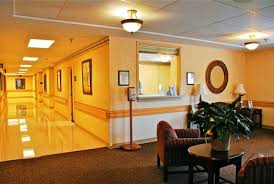
A good skilled nursing facility is stocked with all kinds of equipment to facilitate the rehabilitation of its patients. the patients and their caregivers or family should visit several that are located in the area desired ahead of time to see if they are clean and cared for, have any undesirable odors, seem to be staffed adequately and in general have a good reputation.
The care that is provided by a skilled nursing facility includes: periodic visits by the patient’s physician, trained health professionals that will administer rehabilitation, wound care, medication administration, social workers to see that everything necessary is being done and to prepare for aftercare, therapists to teach ADLs, speech and language specialists, if necessary and any other professionals needed to pave the way for a return home.
If physical therapy is needed then the best equipment should be available. This may include the TUTOR system for patients that suffered a stroke or other limb debilitating injury or disease. The TUTORs are physical therapy products that are used as solutions for patients who have had a stroke, Parkinson’s, CP, MS, brain/spinal cord injuries, radial and Ulnar nerve injuries, development disorders, Brachial Plexus injuries or other upper or lower limb surgeries that cause paresis of a limb.
The TUTOR system which consists of the HANDTUTOR, ARMTUTOR, LEGTUTOR and 3DTUTOR are comfortable ergonomic gloves or braces that implement an impairment based rehabilitation program with augmented feedback and encourage motor learning. This is accomplished through exclusive software that allows the therapist to evaluate, objectively quantify and record the patient’s impairments. Currently in use in leading U.S. and European hospitals and rehabilitation clinics the TUTOR system is also available in patient’s homes through the use of telerehabilitation. The TUTORs are available for use by children as well as adults and are fully certified by the FD and CE. See WWW.MEDITOUCH.CO.IL for more information.
Wednesday, 13 June 2012
Knee Surgery and Its Prevention
Much has been written about knee surgery and the innovations made to replace them. It’s the largest joint in the body. The knee helps you stay active, flexible and is an essential role in facilitating movement. And in spite of the fact that any problem/injury affecting the knee would have the power to immobilize it, it is one the most overlooked aspects of health care.
No one can deny that we often worry about our knees only after a crippling pain begins. However at this point, the damage has already been done and replacement surgery is sometimes the only option. However, knee problems don’t happen suddenly. It’s a slow process that occurs within the first 40 years of life and because of bad lifestyle choices and genetics.
The knee is protected by cartilage — a soft, flexible, connective tissue that is softer than bone but harder than muscle. It forms a cover and links the two major bones of the leg. Damage to this cartilage can be painful and irreversible and therefore surgery becomes a necessity.
Knee cartilage health can be affected by many factors, according to Dr. J.V.Srinivas , senior orthopaedic surgeon, Fortis Hospital, Bangalore, India. In osteoarthritis, the … cartilage is completely worn out, until one bone rubs against another. It’s a result of a process of degeneration, due either to a very active lifestyle or a severe lack of calcium. Women are particularly at risk. Women in our culture get married early and have on average two or three children in their twenties. These women lack calcium and by the time they reach 40, they are affected by osteoporosis, a bone brittling and calcium deficient disease that can put them at risk for fractures and degeneration of the knee cartilage. Inflammatory arthritis (which is extreme swelling or pain in addition to the degeneration of cartilage) can cause severe damage as well but this occurs as a result of genetic factors and diseases and therefore can hardly be avoided.
In most cases, damage to the cartilage is due to the process of aging. But there are ways one can protect himself against the pain and prevent more damage. According to Dr. Srinivas it’s important to maintain good body weight. Overweight or obese people will only put more pressure on their knees.
Regular exercise will help joints stay mobile and flexible. A timely diagnosis and the control of diabetes and hypothyroidism are important too, because if not kept in check it could affect healthy cartilage.”
Starting to take care of knee health should occur at childhood. Dr. Srinivas says that the more active one is the more nutrition is being fed to the knee cartilage. A lot of children lead sedentary lives and stay glued to computer screens and TV. Because bone health peaks between the ages of 20-40, one should maintain participation in sports and be active as much as possible during those years. After the age of forty, men and women lose at least 3% of their bone calcium per year. It is impossible during those years to build calcium reserves and taking calcium pills won’t work. Most Americans and Europeans engage in sports during these crucial years, so for this age population, knee problems usually occur in the eighties. For the average citizen knee problems crop up as early as the forties, which can severely threaten our mobility and add greater discomfort to old age.
Here are some precautions: 1-Don’t worsen knee pain by climbing stairs or sitting cross-legged on the floor. 2-Try to sit on chairs or a raised surface until the pain recedes. 3-Avoid walking on hard gravelly surfaces or performing strenuous exercises while in pain. 4-Rest is best . 5- Switch to low impact activities like swimming and walking.
People that have advanced osteoarthritis can avail themselves of knee replacement surgery. This is fast becoming a common procedure in many countries.
The surgery can be expensive depending on the hospital and post-surgical care. The surgery involves partially or completely replacing the knee. Recovery can take from 3-6 weeks, after which one can usually return to normal life. The pain should have completely receded and the knee should be as good as new. Following surgery, doctors usually advise the patient to have an active lifestyle to help further weight loss and to prevent fresh damage to the knee joints. Caring for knees is a lifelong process. After all, it’s because of this joint that we have the ease and freedom of mobility.
While recuperating from knee surgery physical rehabilitation will occur. One of the most cost effective and efficient physical therapy solutions is the LEGTUTOR.
The LEGTUTOR is an ergonomic wearable leg brace with dedicated rehabilitation software. The LEGTUTOR rehabilitation concept is based on performing controlled exercise rehabilitation practice at a patient customized level with real time accurate feedback on the patient’s performance. This means that the LEGTUTOR system allows the physical therapist to prescribe a leg rehabilitation program customized to the patient’s knee and hip movement ability at their stage of rehabilitation. The LEGTUTOR uses biofeedback to keep the patient motivated to do the exercise practice in the form of challenging games. The TUTORS, (HANDTUTOR, LEGTUTOR,ARMTUTOR, 3DTUTOR) are suitable for a wide variety of other neurological and orthopedic injuries and diseases as well as post trauma and orthopedic surgery.
The TUTOR system is used by many leading rehabilitation centers worldwide and has full FDA and CE certification. It is designed for children and adults and can be used at home supported by telerehabilitation. See WWW.MEDITOUCH.CO.IL for more information.
Strengthening Leg and Hip Muscles and Other Exercises
Harvard Medical School has released some guidelines for effective treatment for several knee and hip problems. Indicating that it is more than just a good health habit, exercise can be effective for many lower extremity problems. Strengthening the muscles around damaged hips and knees can support those joints by taking over some of its responsibilities. If your surrounding muscles (gluts, hamstrings, quads or abdominal) are strong they will be able to support body weight. Strong quads can take over shock absorbing roles.
Proper balance of the muscles can hold the joint in the best and most functional way to prevent pain.Usually the first muscles to lose strength are the large muscles so it would be important to maintain focus on those. Working in pairs muscles either contract or relax. If there is imbalance it can cause injury and other joint problems.
For example, if your hamstrings are tight, your quadriceps can’t contract fully and may weaken, so one should exercise the quadriceps and hamstrings (the opposing muscles) equally. Another suggestion is to do flexibility exercises ( stretching and relaxing specific muscles) to improve joint function.
Physical therapists have emphasized the distinction between open-chain and closed-chain exercises. The ”chain” meaning a series of body parts, such as a hip, knee, ankle, and foot.
In an open-chain exercise, the body is stationary while the limb moves. In closed-chain exercise, the limb is stationary while the body moves. For example, a squat is a closed-chain exercise. A seated leg extension is an open-chain maneuver.
After ACL injury open-chain exercises may be more effective for increasing quadriceps strength .
Physical therapists are mostly incorporating closed-chain exercises into rehabilitation programs and recommending them for people that have painful joints because these exercises involve more muscles and joints and thus help to create stability around a joint.
Using a physical therapist can be very helpful and because he will individualize your treatment program to restore or maintain your physical functioning for arthritis and other joint problems.
The therapist evaluates your functional ability, pain, strength, and endurance. A session with the physical therapist may involve pain-relieving treatments using ice, heat and massage. The physical therapist also supervises you in your exercises and explains exercises that can be done at home. Sometimes there may be a pool and other exercise equipment to use.
Gait training is a major component of physical therapy. Having knee and hip problems can disturb normal walking by causing pain, restricting joint movement, or weakening muscles. Standing, walking, or running may also cause joint problems if weakness in key muscles, poor coaching advice, or bad habits throw off the correct gait.
It could take years of walking with an abnormal gait before joint injury occurs and improper running can lead to pain and injury more rapidly because it involves greater force with each stride.
One of the duties of a physical therapist is to analyze your gait and help you learn to walk more normally. Initially, the proper gait may feel odd, but in time, it becomes comfortable. Sometimes a change in shoes or specific exercises to strengthen muscles may be necessary.
After knee or hip replacement there is a tendency to lean towards the operated leg therefore it is important to get retrained on how to stand straight and use both legs evenly. Gait retraining may be accomplished best by using the buoyancy of a swimming pool to learn how to stand straight and reduce the fear of falling.
When the knee or hip is replaced a new state of the art physical therapy solution is the TUTOR system. Specifically the LEGTUTOR is used to allow the patient to accomplish a series of intensive and challenging exercises. The LEGTUTOR consists of a safe and comfortable leg brace with position and speed sensors that precisely record three dimensional hip and knee movements. The LEGTUTOR has a range of motion limiter that can limit the dynamic range of knee extension and flexion. Rehabilitation games allow the patient to exercise range of motion, speed and accuracy of movement. The LEGTUTOR facilitates evaluation and treatment of the lower extremity including isolated and combined hip and knee movements. The LEGTUTOR and its sister physical therapy products (HANDTUTOR, ARMTUTOR, 3DTUTOR) are already in use in leading U.S. and Eurpopeean hospitals and clinics. They are suitable for adults and children and also through telerehabilitation. They are FDA and CE certified. See WWW.MEDITOUCH.CO.IL for more information.
Monday, 11 June 2012
The Wolf Test and Stroke Rehabilitation
The Wolf Motor Function Test for Stroke Patients asseses and monitors upper extremity function in stroke patients and others who have injuries that limit normal motor function. In a report issued by Emory University on June 9, 2012 there is a description of the benefits of this test.
It Includes a protocol and physical template that can be standardized and used regularly by a physical therapist or physician to evaluate the patient‘s improvement.
It is more sensitive to individual changes in motor abilities than many other tests.
It is easier to administer and requires less equipment than similar tests.
In the US there are approximately 750,000 stroke victims each year. Of those 400,000 have physical and/or neurological disabilities. In addition over 80% of strokes affect upper limb movement, which results in a decreased quality of life for patients and necessitates the need for a caregiver. There are other motor function tests but they are more difficult to administer.
Sometimes a limb is not paralyzed, but the difficulty introduced by an impairment can result in “non-use” of the affected arm. This ”limb choice” is not represented well in neuro-rehabilitation research and treatment. INTENSIVE MOTOR TRAINING OF THE AFFECTED LIMB CAN GREATLY IMPROVE PERFORMANCE IN STROKE PATIENTS.
The Wolf Motor Function Test provides a standardized protocol for assessing upper extremity function and tracking improvements in stroke patients and those who have suffered other injuries that limit normal motor function of the arms and hands. The test measures the patient’s performance during general movements of the upper extremities, including reaching, lifting, gripping and fine motor control. It also allows for comparison of the mobility of the affected and unaffected upper limbs. The test consists of a scripted protocol that describes in detail the conditions under which the test should be administered i.e. the sitting position, camera placement, and a description of items to be used during the test. It also includes a physical template and instructions as to how to use the template during the test. Guidelines are specified in the protocol which enable standardization and finely tuned monitoring of motor function of the upper extremities. The test is also able to detect smaller degrees of change in performance (compared to other tests) and may be prescribed by a physical therapist or physician to be performed on a regular basis by stroke patients to aid in their recovery.
Leading the way in upper extremity physical therapy solutions is the ARMTUTOR and the HANDTUTOR.
The ARMTUTOR and HANDTUTOR systems have been developed to allow for functional rehabilitation of the upper extremity including the shoulder, elbow and wrist. The system consists of an ergonomic wearable glove and arm brace together with dedicated rehabilitation software. The ARMTUTOR™ and HANDTUTOR systems allow the physical and occupational therapist to report on and evaluate the patient’s functional rehabilitation progress. This allows the OT and PT to prescribe the correct customized and motivating intensive exercise practice to the manual rehabilitation therapy. Intensive repetition of movement is achieved through challenging games set to the patient’s ability. The system provides detailed exercise performance instructions and precise feedback of the patient’s efforts. Controlled exercise of multijoints within the normal movement pattern prevents the development of undesired and compensatory joint movement and ensures better performance of functional tasks. Telerehabilitation allows the recovering patient to continue his physical therapy at home. The system, which also includes the LEGTUTOR and 3DTUTOR, is used by many leading rehabilitation centers worldwide and has full FDA and CE certification. See WWW.MEDITOUCH.CO.IL for more information.
Sunday, 10 June 2012
What Exactly is a Brain Concussion and What Treatment is Helpful?
There are so many occurrences of brain concussion especially amongst young athletes that it behooves everyone, especially those involved in sports, to be aware of what happens, how to prevent it and what the treatments are for it.
What is concussion and what causes concussion?
What is referred to as ”mild traumatic brain injury” or concussion, can be defined as a temporary loss of brain function due to a trauma to the head. With concussion, function may be interrupted but there is no structural damage to the brain.
The brain ”floats” in cerebrospinal fluid and is encased in the skull. These protections allow it to withstand many minor injuries that occur daily. However, if there is sufficient force that causes the brain to bounce against the bones of the skull, then there is potential for injury. It is the movement of the brain against the inside of the skull that can cause the brain to be irritated and thereby interrupt its function. This movement can come from a direct blow to the head or face, and also from other body trauma that can cause the head to shake. Temporary loss of consciousness due to the injury probably means that a concussion has taken place however there are concussions that occur without the patient being knocked out. To be sure there are studies of football players where the majority aren’t even aware that they had sustained a head injury.
Types of concussion?
Traditionally, the severity of concussion was based on the loss of consciousness and its duration together with the presence of amnesia. It was presumed that there was a correlation between those two events and the amount of potential brain damage.
According to The International Conference of Concussion in Sports concussion be divided into two groups: simple and complex.
Simple concussion: In a simple concussion, the symptoms gradually resolve, and the patient returns to normal function in seven to 10 days.
Complex concussion: In complex concussions, symptoms remain and thought processes are affected. Patients who have repeated concussions would fall into the complex category.
The Mayo Clinic recommends the following preventions.
1-Sports players should wear appropriate protective gear during games and other recreational activities. The equipment should fit well, be maintained and worn correctly. Players should follow rules and play responsibly and in a sportsmanlike way. Cyclists of any kind of vehicle should wear protective headgear.
2-Buckle your car seat belt. The belt can prevent an injury to the head in case of an accident.
3-Make your home safe. Since falls around the home are the leading cause of head injury for infants, toddlers and older adults it’s important to keep the home well lit and floors free of objects — meaning anything that might cause someone to trip and fall..
4-Protect your children. To help lower the risk of head injuries to children, it’s a good idea to place padding around countertops and edges of tables. If there are very young children in the house, block off stairways and install window guards. Don’t let children play sports that are not at their age level.
5-Use caution in and around swimming areas. Don’t dive into a pool that is less than 9 feet (3 meters) deep. Follow posted safety rules at water parks and public pools.
6-Wear sensible shoes. Wear shoes that are easy to walk in. Don’t wear high heels, sandals with thin straps, or shoes that are either too slippery or too sticky.
Concussion Treatment
When there is bleeding under the scalp, but outside the skull, it creates a “goose egg” or large bruise, called a hematoma, at the site of the head injury. Generally this hematoma will go away on its own with time.
The use of ice immediately after the trauma may help decrease its size however do not apply ice directly to the skin. Rather use a washcloth as a barrier and wrap the ice in it. One can also use a bag of frozen vegetables wrapped in cloth, as this conforms nicely to the shape of the head.
Ice should be applied for 20-30 minutes at a time and repeated every two to four hours. After 48 hours there is little benefit to icing.
Resting is important to allow the brain to heal.
The patient should be seen by a professional health expert as soon as possible.
According to the American Academy of Neurology any athlete suspected of having a concussion should be removed from play until evaluation by a physician. If a concussion is suspected , the Centers for Disease Control recommends implementing a 3-step plan:
1-The player should immediately stop playing and not return until the doctor approves.
2-Do not try to judge the severity of the injury yourself but rather have a professional do it.
3-Inform the athlete’s family about the possible concussion and give them vital information about concussions.
If a second concussion occurs before the brain has recovered from the first one it can slow recovery or even increase the likelihood of having long-term problems. In some cases, repeat concussions can result in edema (brain swelling), brain damage, and even death.
If, unfortunately, brain damage occurs and it results in paresis of one or more limbs then after the acute stage it is important to use the best physical therapy solution available. One of the most cost effective and efficient physical therapy products available is the TUTOR system. The HANDTUTOR, ARMTUTOR, LEGTUTOR and 3DTUTOR are products that are used to allow intensive exercise therapy to the brain injured patient.
The newly developed HANDTUTOR, ARMTUTOR, LEGTUTOR and 3DTUTOR have become a key system in neuromuscular rehabilitation and physical therapy for interactive rehabilitation exercise. These innovative products implement an impairment based program with augmented feedback and encourage motor learning through intensive active exercises. These exercises are challenging and motivating and allow for repetitive training tailored to the patient’s performance. The training is customized by the occupational and physical therapists to ensure that the patient stays motivated to do intensive repetitive manual therapy and exercise practice. The TUTOR system is now part of the rehabilitation program of leading U.S. and foreign hospitals where they are used in rehabilitation clinics and in the patient’s home through the use of telerehabilitation. See WWW.MEDITOUCH.CO.IL for more information.
Thursday, 7 June 2012
Radial Ulnar Fracture and Physical Therapy Guidelines
A radial ulnar fracture is defined as a fracture of the two bones that make up your forearm, the radius and the ulna. A radial ulnar fracture is usually caused by a traumatic impact to the wrist. This may occur during a fall while the arm is extended. In the emergency room one can expect the forearm to be immobilized in a cast for six to eight weeks. Afterwards, it is necessary to undergo physical therapy in order to rehabilitate the muscles and ligaments that have atrophied i.e. lost size and strength, during the immobilization period.
At times in the first few days after such a (radial ulnar) fracture, the doctor may place the arm in a sling. This will keep the arm immobilized and allow for swelling to reduce before a cast is placed on the arm. The physical therapy treatment that is used at this time is typically ”cryotherapy”. Cryotherapy consists of placing ice or cold packs over the affected area of the arm in order to reduce inflammation. Inflammation can prevent the body’s natural ability to begin healing. After several days of cryotherapy, the swelling may subside enough to allow a hard cast to be placed on the arm.
After about 6 to 8 weeks in a hard cast, the bones should normally be sufficiently healed. However, due to several months of immobility, the ligaments that cross the wrist may become stiff, thereby limiting range of motion. At this time a physical therapist may begin therapy by providing several types of range of motion exercises. The purpose of these exercises is to increase the range of motion at the wrist joint. The physical therapist may use passive and active flexibility exercises which are designed to increase the ability to move the wrist with its normal range of motion.
As the ligaments regain their flexibility and the range of motion at the wrist joint increases, one should begin muscle strengthening exercises. After months of not using the forearm and wrist, muscles will lose both size and strength. Every muscle that crosses the wrist joint should be strengthened in order to increase the stability of the joint capsule. The physical therapist will direct the patient through the proper strengthening exercises that are specific to his needs.
Range of motion exercises needed for increasing the strength and mobility of injured arms and wrists can be accomplished in a comfortable and challenging way by using the ARMTUTOR. The ARMTUTOR is one of several physical therapy products which include the HANDTUTOR, LEGTUTOR and 3DTUTOR that are used extensively in leading U.S. and European rehabilitation hospitals and clinics as well as in the patient’s home through the use of telerehabilitation.
The ARMTUTOR allows the physical and occupational therapists to report on and evaluate the patient’s functional rehabilitation progress. The PT and OT prescribe the correct customized and motivating intensive exercise practice to the manual rehabilitation therapy. The system provides detailed exercise performance instructions and precise feedback on the patient’s efforts. Controlled exercise of multijoints within the normal movement pattern prevents the development of undesired and compensatory joint movement and ensures better performance of functional tasks. The TUTOR system has full FDA and CE certification. See WWW.MEDITOUCH.CO.IL for more information.

Wednesday, 6 June 2012
Physical Therapy Solutions—Today Rats! Tomorrow Humans
Scientists writing in the journal SCIENCE recently reported that rats with a spinal cord injury leaving their hind legs paralyzed relearned walking on their own after an intensive training course which included electrical stimulation of the brain and the spine.
About to begin working on technology that will allow the same progress in humans the scientists state that what they accomplished was the most comprehensive and rigorous study to date of what is possible in recovering from such injuries.
Few scientists ever thought that it would be possible to complete rehabilitation after such a disabling blow to the spinal cord. After weeks of training, many of the rats could walk as well as before the injury, and some could even run.
It is important to not that the findings do not apply to all spinal injuries. The rats’ spinal columns were cut but were not completely severed. There were still nerve connections that extended intact through the injured area.
The study which was led by Gregoire Courtine of the University of Zurich and the Swiss Federal Institute of Technology performed the same surgical injury on 10 rats. All direct nerve connections to the hind legs were cut but stopped short of severing the spinal cord. The rats lost the use of their back legs but not their front legs.
The rats then were given a daily regimen. They were outfitted with tiny vests, held upright on their back legs but left to bear their full weight. The rats then tried to move toward a piece of cheese that was nearby. The scientists then provided electrical stimulation in 3 places: in the motor area of the brain, in the spinal cord below the injury, and chemically, in the wound area with drugs thought to promote growth.
Growth is what was achieved. After 2 to 3 weeks of 30-minute daily sessions, the rats started to take their first voluntary steps. After six weeks, all of the rats walked on their own, and some ran and climbed stairs. A control group of rats did not recover as well.
Wow! That’s exciting news. Now, until this is perfected patients will have to do with other tupes of physical therapy solutions such as the TUTOR system.
The LEGTUTOR and its sister devices (HANDTUTOR, ARMTUTOR and 3DTUTOR) have been used in physiotherapy and occupational therapy to treat victims of Spinal Column Injury and MS for some time now.
The TUTOR system is used in an inpatient, outpatient and home rehabilitation environment as an aid in order to achieve the patient’s functional ability goal as much as possible.
It is designed for those who have head, trunk, upper and lower extremity movement dysfunction as a result of stroke, Parkinson’s disease, CP or post arm and leg surgery in addition to brain and spinal cord injury.
The TUTOR system consists of ergonomic wearable devices together with powerful dedicated rehabilitation software. The LEGTUTOR and its sister devices (HANDTUTOR, ARMTUTOR and 3DTUTOR) works by offering the patient intensive exercise practice based on motivating and challenging games that allow the patient to practice isolated and/or interjoint coordination exercises. Controlled exercise practice is the mainstay of physiotherapists and physical and occupational therapists manual therapy method. Manual therapy using the Tutor system will help to prevent the development of compensatory movement patterns. The dedicated software allows the therapist to fully customize the exercises to the patient’s movement ability whether the patient has good range of motion or limited movement ability. In addition the therapist can objectively and quantitatively evaluate and report on the treatment progress. This can be presented to the patient to encourage his continued participation in exercises. The physical therapy solution using the TUTOR system optimizes the patient’s motor, sensory and cognitive performance and allows him to better perform everyday functional tasks and to improve his quality of life. The TUTOR system is FDA and CE certified and can be used with telerehabilitation as well. See WWW.MEDITOUCH.CO.IL for more information.
Wednesday, 30 May 2012
Physical Rehabilitation Facility Closing and Its Alternative Solution
It was announced on May 30,2012 that Rutland Regional Medical Center’s inpatient rehabilitation unit in Vermont would be closing its doors. Many current and former patients have protested and urged the facility to remain open. They maintain that they received excellent care there and would consider it a tragedy if that help couldn’t be provided to others in need. “Without the superior care I received there back in the summer of 1998, I would not be living life as comfortable as I am now”, said one of its former patients.
When a vital institution such as a rehabilitation center is forced to close its doors for financial or other reasons many people suffer–patients as well as the professional and lay staff.
In the case of the cancellation of physical rehabilitative services it is important to know that alternative physical therapy solutions exist. Specifically the system being used more and more these days is called TELEREHABILITATION, aka telemedicine, telehealth and other similar terminology. In the field of physical rehabilitation one system stands out above the others. Known as the TUTORs this system is used usually by patients who are in or who have been discharged from an inpatient rehabilitation facility or who live at too great a distance from a facility. They can receive a good deal of their physical therapy needs through the use of the HANDTUTOR, ARMTUTOR, LEGTUTOR and 3DTUTOR. These physical therapy products are designed to allow the patient to receive intensive exercise programs monitored and regulated by physical and occupational therapists who may be miles away. The TUTORs consist of comfortable ergonomic gloves or braces strategically located on various parts of the body and powerful dedicated rehabilitation software in the form of challenging games. These games allow the patient to practice isolated and/or interjoint coordination exercises. This controlled exercise practice will prevent the development of compensatory movement patterns. The dedicated software allows the therapist to fully customize the exercises to the patient’s movement ability.The TUTORs are designed for patients who have experienced limited joint or limb movement ability due to a stroke, brain or spinal cord injury, Parkinson’s disease, MS, CP and other upper and lower extremity difficulties.
Currently in use in leading U.S. and European hospitals and clinics the TUTORs are available for children as young as 4 and are fully certified by the FDA and CE. See WWW.MEDITOUCH.CO.IL for further information.

Tuesday, 29 May 2012
Online Health, E-Health, E-Medicine,Tele-Medicine, Tele-Health, Tele-Rehabilitation
Once the age of computers arrived it was a foregone conclusion that its applications would soon incorporate online health services.
E-Health was introduced as a further development of the idea of
telemedicine. It began to be used by many academic
institutions, professional bodies, and funding organizations . The prefix ‘tele’ derives from the
Greek for ‘at a distance’. Nowadays, eHealth is understood as the “use of information and communication
technologies locally and at a distance” that combines and integrates health information and communication
technologies. Telemedicine is a new interdisciplinary approach to practice medicine with enormous potential and
new perspectives for development. Ethical and medicolegal concerns, human and cultural factors, and reimburstment for
services are still issues of telemedicine that need to be fine tuned.
During the last decade of the 20th century, e-commerce exploded giving new ways to conduct
business and financial transactions through the Internet. Various e-terms began to appear and
proliferate in combination to Internet development. E-Health was introduced as a
consequence of e-applications, and as a further development of the idea of telemedicine.
What do those terms mean? Many previous articles have dealt with the question of how
telemedicine and eHealth can or should be defined. The aim of this article is to
discuss the understanding of telemedicine and eHealth definitions already developed in the
literature, which have been published to date, and compare them to clinically oriented definitions already established.
There is hope that a better understanding of the
meaning and perspectives of telemedicine and eHealth will improve communication and
cooperation of many medicine and technology specialists.
The definition of eHealth is based on a wide variety of meanings combining informatics technology
and health and wellness, where the concept of wellness refers to public health and health promotion.
It also relates to health services delivery (e.g., health care, health
industry products). E-Health represents a new concept of health care. Technology is incorporated into the
definition. Additionally, internet and internet related technologies belong to that technology. Finally,
eHealth combines and integrates health, information and communication technologies.
The idea of eHealth presents a unique opportunity for the development of public health. The World
Health Organization and other subsidiaries of the United Nations have drawn up strategies
for eHealth that include the use of it for public-health purposes and health-care delivery. The main ideas of the strategy focus on “eHealth for all by 2015 ”.
The term eHealth is currently used by many medical professionals, academic institutions, and
representatives of technology in medicine. Despite the lack of a clear and precise definition
it has become a widely accepted neologism. The widespread use of this term suggests the need of
electronic health among the many individuals and organizations.
Telemedicine has worldwide implications. The target of eHealth is wide and concentrates on improving and increasing the cost-effectiveness of
health care at large and to solve problems related to access, care, cost, quality, and portability of
health care services locally, regionally, and worldwide . Telemedicine seems to focus on the
same target, but is restricted to relations between patient and physician . The ultimate benefits of
implemented telemedicine go directly or indirectly to a patient. The term eHealth encompasses a set
of disparate concepts, including health, technology, and commerce. It has raised the promise that
information and communication technologies will improve medicine and the health care system.
The term telehealth was developed to substitute for the term telemedicine . In the early years of the
twenty first century more fashionable terms such as “online health” and “e-health” appeared due to
internet expansion. Some authors suggest new terms as approximate synonyms.
It is reported that “telemedicine encompasses all of the health care,
education, information and administrative services that can be transmitted over distances by
telecommunications technologies”.
Nowadays, eHealth is understood as the “use of information and communication technologies
locally and at a distance”. The technology is viewed both as a tool to embodiment of eHealth itself
to expand, or to enhance human activities, but not substitute for them.
One of the benefits of telemedicine can be that it allows the patient to receive more immediate care. That
may be expressed by utilizing digitalized products and systems. The impact on health systems may
become more efficient by improving access to care, especially in remote areas, for people with
disabilities and for the elderly. That creates new opportunities for faster and more comprehensive
epidemiological surveillance and for better patient care. A global approach to handling data flows
should be able to promote standardization and low-cost services. That opens the new platform for
international participation and collaboration on information and communication technologies with other providers which can in turn
remove barriers for health data flow.
The main lines of the strategy for the telemedicine societies are to integrate eHealth applications
into health systems and develop norms, standards, guidelines, information and training materials.
National centers and networks of excellence will mobilize collaboration for determining evidence based eHealth.
E-Health for citizens, patients and health professionals should meet quality, safety and ethical standards. The value of eHealth is to improve the quality and the economy of the present health systems. However, many eHealth and telemedicine applications are currently unregulated or insufficiently regulated.
Any adverse, negative, harmful, or disadvantageous effects are rarely mentioned while describing eHealth or telemedicine .
The whole range of medical activities including diagnosis, treatment and prevention of disease, continuing education of health-care providers and consumers, and
research and evaluation is encompassed. Grigsby and Sanders pointed out that telemedicine is defined as
“the use of electronic information and communications technologies to provide and support health
care when distance separates the participants” or the specialty which “encompasses all of the health
care, education, information and administrative services that can be transmitted over distances by
telecommunications technologies.
Telemedicine subjects include the interaction between the medical service receiver and the expert
(i.e. real-time or prerecorded). Neither health care provider nor medical service receiver is moved,
but only information is transmitted (e.g. text, audio, video).
Telemedicine practice is now performed in industrialized countries, but there is an increasing interest in the use of telemedicine in
developing countries.
One of the most promising aspects of all the e applications is telerehabilitation. This is manifested through the use of the TUTOR system. The HANDTUTOR, ARMTUTOR, LEGTUTOR and 3DTUTOR have been in use now for several years in some of the leading rehabilitation facilities in the U.S. and Europe. These physical therapy products provide intensive exercise programs with augmented feedback for patients who have had a stroke, Parkinson’s disease, brain or spinal cord injuries, CP, MS, Brachial Plexus injuries and other upper and lower surgeries that have affected the movement of various limbs. When the patient is discharged from acute care or lives too far from a rehabilitation facility he can access this physical therapy solution right in his home through the use of telerehabilitation. The physical or occupational therapist at the other end will evaluate and quantify the patient’s impairments and customize an exercise program for him. Certified by the FDA and CE the TUTOR system is appropriate for adults as well as children from the age of 4 or 5. See WWW.MEDITOUCH.CO.IL for more information.

Wednesday, 23 May 2012
Telemedicine-Does It Work for Physical Therapy?
While Telemedicine may be a form of medical treatment decades old today there are innumerable devices that offer that convenience. Telemedicine ,which has several aliases, uses real time to connect medical provider and patient in dispensing medical care. This is extremely helpful if the medical condition is minor and the patient has difficulty in visiting the doctor personally for any number of reasons such as distance. Insurance companies and employers love the system as it reduces costs. The use of this medium is on the rise as consumers benefit by being able to access 24/7 care as well. Its use may exceed $27 billion within the next 4 years.
The question remains, though, as to whether this system is as good as face to face visits. There is also the aspect of using telemedicine for treatments such as physical rehabilitation for patients recovering from stroke and other neuromuscular diseases or injuries. It is also necessary to establish the safety of the system.
In the case of the TUTOR system, as one of the newest physical therapy products on the market, the testing and clinical use has shown a marked improvement in the patient’s movement ability after using the HANDTUTOR, ARMTUTOR, LEGTUTOR and 3DTUTOR. These products are ergonomic gloves or braces that fit comfotably on the affected limb and then connect to powerful evaluation software created exclusively for the TUTOR. The intensive exercise program is monitored by phsical or occupational therapists who then customize an exercise plan for that specific patient. All exercises are recorded and evaluated leading to enhanced functional rehabilitation.
The TUTORS are currently in use in leading U.S. and European hospitals and clinics and, of course, can handle telerehabilitation services as well from the patient’s home. See WWW.MEDITOUCH.CO.IL for more information.
Monday, 21 May 2012
Possible New Therapy for Parkinson’s Disease Symptoms
May 2, 2012
A Tel Aviv University researcher and movement disorders specialist at Rabin Medical Center Dr. Nirit Lev, is developing therapy to halt symptoms in Parkinson’s patients.
The ability to modify the activity of DJ-1 could change the progress of the disease, she says. Working in collaboration with Profs. Dani Offen and Eldad Melamed, Dr. Lev has now developed a peptide which mimics DJ-1′s normal function, thereby protecting dopamine- producing neurons. What’s more, the peptide can be easily delivered by daily injections or absorbed into the skin through an adhesive patch.
Parkinson’s disease, a disorder which affects movement and cognition, affects over a million Americans, including actor Michael J. Fox, who first brought it to the attention of many TV-watching Americans. It’s characterized by a gradual loss of neurons that produce dopamine. Mutations in the gene known as DJ-1 lead to accelerated loss of dopaminergic neurons and result in the onset of Parkinson’s symptoms at a young age., Based on a short protein derived from DJ-1 itself, the peptide has been shown to freeze neurodegeneration in its tracks, reducing problems with mobility and leading to greater protection of neurons and higher dopamine levels in the brain.
Dr. Lev says that this method, which has been published in a number of journals including the Journal of Neural Transmission, could be developed as a preventative therapy. Preserving dopamine-producing neurons can mean the difference between living life as a Parkinson’s patient or aging normally, says Dr. Lev. In pre-clinical trials, the treatment was tested on mice utilizing well-established toxic and genetic models for Parkinson’s disease. From both a behavioral and biochemical standpoint, the mice that received the peptide treatment showed remarkable improvement. Symptoms such as mobility dysfunctions were reduced significantly, and researchers noted the preservation of dopamine-producing neurons and higher dopamine levels in the brain. Preliminary tests indicate that the peptide is a viable treatment option. Though many peptides have a short life span and degrade quickly, this peptide does not. Additionally, it provides a safe treatment option because peptides are organic to the body itself.
According to Dr. Lev, this peptide could fill a gap in the treatment of Parkinson’s disease. “Current treatments are lacking because they can only address symptoms — there is nothing that can change or halt the disease,” she says. “Until now, we have lacked tools for neuroprotection.”
The researchers also note the potential for the peptides to be used preventatively. In some cases, Parkinson’s can be diagnosed before motor symptoms begin with the help of brain scans, explains Dr. Lev, and patients who have a genetic link to the disease might opt for early testing. A preventative therapy could help many potential Parkinson’s patients live a normal life.
For those who, unfortunately, do contract the disease there is hope to regain functional mobility through the use of the TUTOR system., The newly developed system consisting of the HANDTUTOR, ARMTUTOR, LEGTUTOR and 3DTUTOR have become a key system in neuromuscular rehabilitation for, Parkinson’s patients, stroke victims and those recovering from brain and spinal injuries, MS, CP and other limb movement limitations.
These innovative devices implement an impairment based program with augmented motion feedback that encourages motor learning through intensive active exercises and movement practice. The HANDTUTOR, ARMTUTOR, LEGTUTOR and 3DTUTOR consist of wearable glove and braces that detect limb movement showing the patient how much active or assisted active movement they are actually doing. The accompanying software uses special rehabilitation games to set a new target for this movement in terms of the patient’s ability to move their affected limb. These physical therapy products then measure the limb movement and give feedback on the success to the patient. In this way the TUTOR system provides exercises that are challenging and motivating and allow for repetitive and intensive exercise practice.
The TUTOR system is now part of the rehabilitation program of leading U.S. German, Italian, French, UK and other foreign hospitals. See WWW.MEDITOUCH.CO.IL for more information.

Sunday, 20 May 2012
How Laughter Can Help Physical Therapy Rehabilitation Progress
Jon Silo, 85, a former Broadway and television comedic actor, and his wife Ruth, 70, a former actress, are volunteer leaders of Laugh Therapy.Jon and Ruth Silo come to patients at Cedars-Sinai hospital in Los Angeles every two months to entertain patients who are undergoing therapy to recover from strokes, neurological, orthopedic or work-related injuries.
The Silo’s method is to encourage patients to express themselves by focusing on something positive or amusing that has happened in their lives. The couple may tell humorous tales and stories from their own lives to get the conversation going and put the patient’s mind more at ease in the group setting.
Groups consist of four to 25 people and usually are made up of elderly patients. Patients confined to their room are visited directly by the Silos.
“We want to give them something happy,” Jon Silo said. “It is so touching to see people happy that we walk home hugging each other and think of how we helped the patients.”
The Silos used to perform at USO shows across the United States.
“Comedy became a part of my life,” said Jon Silo, who has performed in productions such as “Oklahoma!” and “Can-Can,” in addition to numerous television series and commercials. “I always liked comedy the best because I wanted to see people happy.”
During a hospital stay of his own Jon met Dr. Harry Glassman, who noticed the Silo family’s optimistic outlook on life. Glassman thought that they could become an asset to the hospital because their own experiences had led them to recognize the healing value of laughter.
Until two years ago, physical rehabilitation patients at Cedars-Sinai watched videos to get their dose of comedy and laughter. At Glassman’s suggestion, the couple became volunteers.
“This is not entertainment,” Ruth Silo said. “It is (teaching) a philosophy to cope and live with to get well.”
Laughter has always been known to have positive results on social behavior but it can be equally as helpful during recovery and physical rehabilitation following all kinds of illnesses and surgeries.
When a patient is happy he will likely be encouraged to perform his rehabilitation exercises in a more positive way and thereby speed up the process of recovery. When a patient who is recovering from stroke, MS, CP,Parkinson’s disease, brain or spinal cord injuries or any other upper or lower limb surgery uses state of the art physical therapy products such as the HANDTUTOR, ARMTUTOR, LEGTUTOR or 3DTUTOR he will undoubtedly make progress in his rehabilitation program.
Occupational and physical therapists use these products known as the TUTOR system as a manual therapy tool to help them with their rehabilitative work.
The TUTOR system has shown much success in rehabilitation of joint movement. The newly developed TUTORs consist of ergonomic wearable devices. The HANDTUTOR is a glove for hand therapy and the ARMTUTOR is an arm brace for elbow and shoulder rehabilitation. The LEGTUTOR is a leg brace for leg and hip. They are used by occupational therapists and physiotherapists in rehabilitation centers, private clinics and the home where it can be supported by telerehabilitation. It is designed for those who have head, trunk, upper and lower extremity movement dysfunction.
The accompanying software system consists of motivating and challenging games that allow the patient to practice isolated and/or interjoint coordination exercises. The dedicated rehabilitation software allows the physical and occupational therapist to fully customize the exercises to the patient’s movement ability. In addition, the OT and PT can make objective follow up and reports on their patient’s progress. Rehabilitation (with laughter) can optimize the patient’s motor, sensory and cognitive performance and allow the patient to better perform everyday functional tasks to improve their quality of life.
The TUTORS are certified by the FDA and CE. See WWW.MEDITOUCH.CO.IL for more information.

Friday, 18 May 2012
Medical Science Fiction or Reality?
One of the current best selling books is called The Man with the Bionic Brain and Other Victories over Paralysis by Dr. Jon Mukand. Neurosurgeons have implanted a set of microelectrodes in a man’s brain that recognize his thought patterns and allow him to control a computer cursor. He is able to use e-mail, manipulate a prosthetic hand, adjust TV settings, and play video games—all just by thinking about performing these tasks. This is the story of first hand accounts of survivors of stroke, spinal injuries, and brain trauma and some of the amazing technology that has improved their lives. It tells of behind-the-scenes views of cutting-edge medical research and discoveries, The Man with the Bionic Brain and Other Victories over Paralysis is an insightful and inspirational book about how biomedicine gives hope to people with disabilities and enables them to take control of their futures.
Since this is still in the fiction state patients suffering from stroke, brain or spinal cord injuries, MS, CP and other upper and lower limb surgeries should rely more on existing systems and physical therapy products to achieve a return to normal movement of their affected limb(s). One of the most cost effective and innovative medical devices to come on the market in recent times is the TUTOR system. This breakthrough product consists of a HANDTUTOR, ARMTUTOR, LEGTUTOR and 3DTUTOR.
The TUTORs are comfortable ergonomic gloves or braces that are connected to a computerized, exclusive and intensive exercise program. The exercises, in the form of games, encourage the patient to excel at the competition and thereby increase the movement of the affected limb. Physical therapists monitor the progress and create a customized program for that particular patient. This in turn increases the efficiency of the limb movement. The TUTOR products can be used at home if the patient has graduated from inpatient treatment or is located at too great a distance from a physical therapy facility. Currently in use in leading U.S. and European rehabilitation hospitals and clinics the TUTORs are fully certified by the FDA and CE. See WWW.MEDITOUCH.CO.IL for more information.

Thursday, 17 May 2012
Physical VS. Occupational Therapist–Is There a Difference?
They both work with the body. They both do their work in a nursing home, outpatient clinic or in the patient’s home. They both have to possess a Bachelor’s or Master’s degree in their field. They both have to intern under a licensed therapist and pass state tests. However after that there are only a few similarities between a physical therapist (PT) and an occupational therapist (OT).
In general the PT works from the waist down and the OT works from the waist up. The PT will generally work on balance, walking, and general movement. In a nursing home the PT, especially for the elderly, may concentrate on helping the stroke victim walk or sit without leaning to one side.
The OT ‘s function will be to teach the patient how to maintain independence in their basic self care needs and performance of activities of daily living. This may include recommending appropriate devices and gadgets to increase safety and functional ability. As an example, an OT may recommend modifications to a home to help a senior feel more comfortable there, to rearrange the furniture and home layout, to acquire equipment to prevent hand tremors during eating, and even teaching an elderly stroke victim how to get dressed with only one hand.
Often, the PT and OT work together to provide rehabilitation therapy. This joint effort ensures that a patient can move well and also remain as independent as possible.
When it comes to equipment that the PT and OT provide and work with the TUTOR system is in the forefront of medical devices created to assist the stroke victim how to regain his limb mobility. Consisting of the HANDTUTOR, ARMTUTOR, LEGTUTOR and 3DTUTOR these physical therapy products provide intensive and challenging exercises that allow for repetitive training tailored to the patient’s performance.
In the case of the HANDTUTOR, for example, an ergonomic glove has been designed to detect finger and wrist motion and it has an open palmar surface to give maximum motor and sensory input. The glove comes in ten different sizes to allow for treatment of patients from the age of five to adult.
The TUTOR system is also used for victims of Parkinson’s disease, MS, CP, brain/spinal cord injuries and other upper and lower limb disabilities. Currently in use in leading U.S. and European rehabilitation hospitals and clinics the TUTORs can also assist patients that are homebound through the use of telerehabilitation.
See WWW.MEDITOUCH.CO.IL for more information.

Subscribe to:
Posts (Atom)